
Israel’s top political leaders have delivered one of their strongest assertions of strategic independence in recent months, declaring that any diplomatic understanding led by US President Donald Trump would not override Israel’s own security priorities.
National Security Minister and Defence Minister issued separate statements stressing that Israel will continue acting according to its own security assessments, particularly regarding Hezbollah, Iran, Lebanon, Syria and Gaza.
The remarks come amid ongoing discussions surrounding a US-led diplomatic understanding with Iran and broader efforts to reduce tensions across West Asia after months of military escalation that disrupted global trade routes and heightened fears of a wider regional conflict.
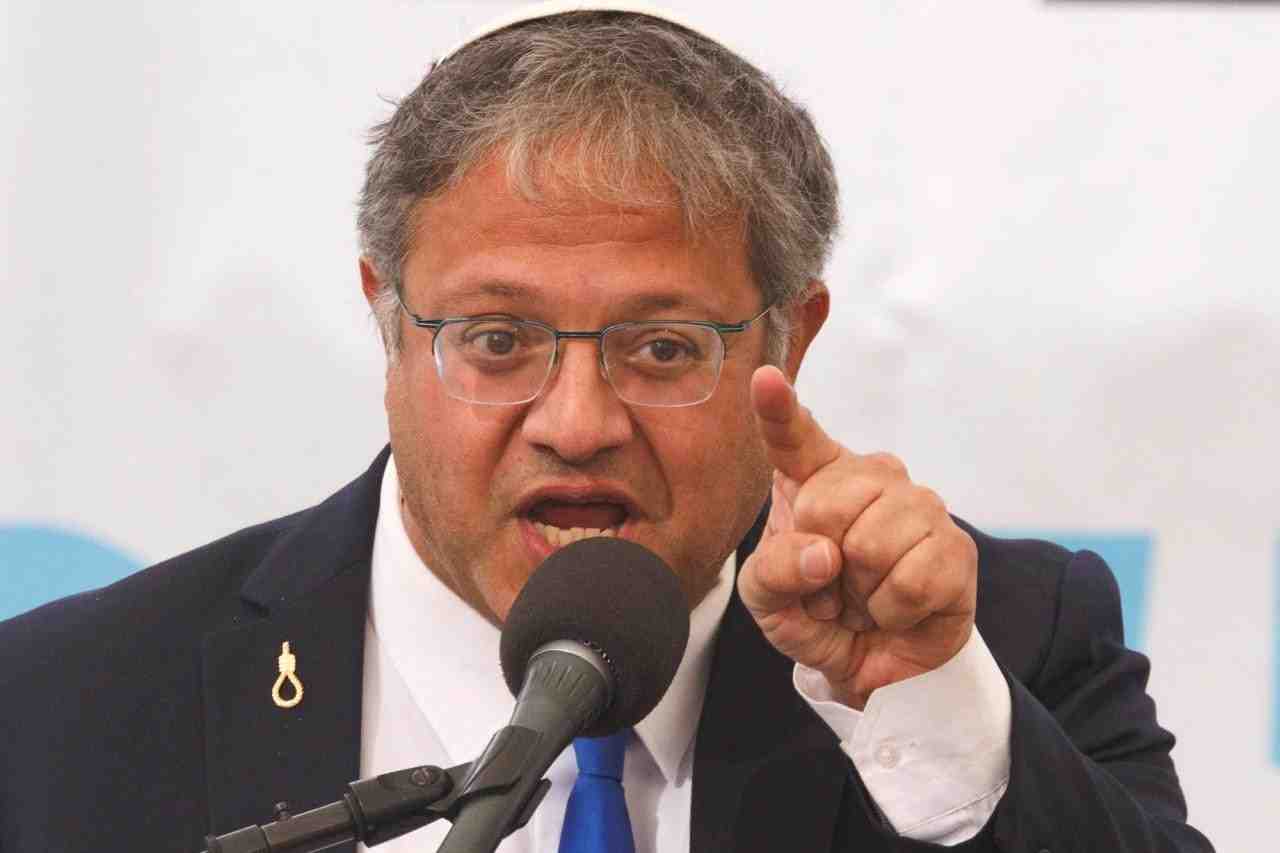
National Security Minister Ben-Gvir adopted a defiant tone, arguing that Israel cannot allow foreign pressure to dictate decisions related to national security.“Trump’s agreement does not bind us. Israel is not subject to the United States and we are an independent and sovereign state,” he said.
Although expressing gratitude towards President Trump and reaffirming the close alliance between Washington and Jerusalem, Ben-Gvir insisted that Israeli leaders must prioritise national security above all diplomatic considerations. He warned that Israel had previously paid a heavy price whenever international pressure influenced security decisions.
Referring to past agreements, he cited the , the 2006 Lebanon arrangements and previous policies of containment toward Gaza as examples that, in his view, ultimately undermined Israeli security. “The State of Israel is not a banana republic,” Ben-Gvir said, adding that historical moments require “historic decisions.”
The minister reiterated several red lines that he believes Israel must not cross. He said Israel should not accept anything short of Hezbollah’s dismantling, should not withdraw from territories captured by Israeli forces and must not allow hostile militants to re-establish positions near northern Israeli communities. He also called for an immediate and forceful response to any attacks originating from Lebanon.
According to Ben-Gvir, any drone, missile or unmanned aerial vehicle launched toward Israel from Lebanese territory should trigger direct Israeli retaliation against Beirut’s southern suburb of Dahiya, a stronghold associated with Hezbollah.
He framed the issue within a broader historical narrative, saying Israel had emerged from centuries of persecution and would no longer tolerate threats against its population. “Never again,” he concluded.
Meanwhile, Defence Minister Israel Katz presented a more institutional but equally firm security position. Katz said President Trump was pursuing an agreement with Iran from an American perspective while also seeking to uphold the shared objective of preventing Iran from obtaining nuclear weapons. “The US President is currently leading an agreement with Iran from the perspective of American interests,” Katz said.
However, he emphasised that Israel would preserve its capability to act independently if necessary. “Israel must ensure that we will also have the ability to act independently in the future to prevent Iran from obtaining nuclear weapons,” he stated.
Katz revealed that he and Prime Minister had instructed the Israeli military to prepare accordingly. He also declared that Israel would not withdraw from security zones in Lebanon, Syria and Gaza.
According to Katz, Israeli troops would continue defending the country’s borders from strategic areas, including the Hermon Mountains, positions along Lebanon and regions within Gaza, describing the policy as a central lesson learned from the October 7 attacks.
The defence minister further said the Israeli military would maintain operations inside northern Samaria and could expand actions against militant infrastructure if deemed necessary.
Katz outlined what he called a “sharp and clear” security doctrine focused on confronting threats both near and far.
He also described Israel’s broader regional struggle as a confrontation against two separate ideological adversaries — the “Shiite axis” led by Iran and a “Sunni axis” represented by the Muslim Brotherhood.
The minister praised Israeli soldiers, military commanders and northern Israeli residents for their resilience during months of conflict. He also paid tribute to bereaved families and wished a speedy recovery to wounded soldiers.
The statements collectively underscore that despite close US-Israel ties, Israel’s current leadership intends to maintain significant autonomy over military and security decisions.
The remarks also indicate that any future diplomatic arrangement involving Iran will face intense scrutiny inside Israel, particularly among leaders who argue that military deterrence should remain the country’s primary strategic instrument.
The significance of these statements extends beyond domestic politics.
Traditionally, Israel and the United States have maintained exceptionally close strategic coordination. However, Ben-Gvir and Katz are signalling a subtle but important distinction: friendship with Washington does not equal automatic acceptance of every US diplomatic initiative.
Three major messages emerge from their comments.
Israel Wants Strategic Freedom of Action
Both ministers emphasised that Israel reserves the right to independently strike threats, especially if Iran’s nuclear programme advances in the future.
This is designed to reassure domestic audiences that diplomatic agreements will not restrict military options.
Permanent Security Buffer Zones May Become Long-Term Policy
Katz’s remarks suggest Israel increasingly views military positions in Lebanon, Syria and parts of Gaza not as temporary wartime deployments but as long-term security necessities.
Such a policy could significantly reshape regional geopolitics and may become a point of friction with neighbouring countries and international partners.
US-Israel Relations Remain Strong but More Complex
Neither leader criticised President Trump personally. In fact, both expressed appreciation for the United States.
However, their message was clear: Israel will cooperate with allies but will ultimately prioritise independent decision-making when national security is involved.
This balancing act reflects a broader evolution in Israeli strategic thinking after the October 7 attacks, where security policymakers increasingly argue that deterrence, territorial control and military readiness must take precedence over diplomatic concessions.
Whether this approach strengthens Israel’s long-term security or deepens regional tensions will likely become one of the defining geopolitical questions in West Asia over the coming years.