
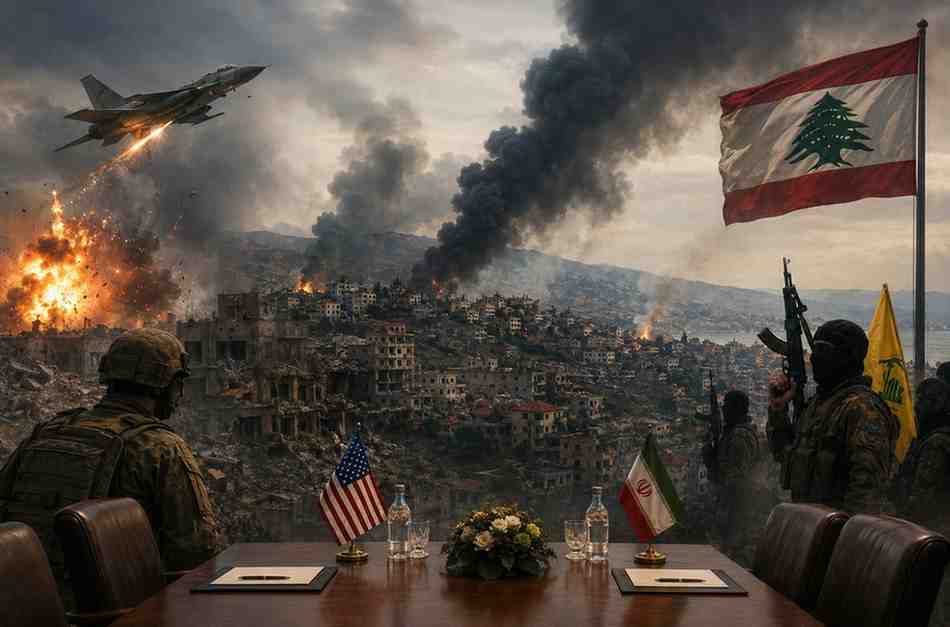
Israel-Lebanon Conflict Threatens Fragile US-Iran Diplomacy
The fragile diplomatic momentum between the United States and Iran has suffered a setback after deadly Israeli military strikes across southern Lebanon killed at least 16 people and forced a postponement of planned talks in Switzerland.
According to Lebanese authorities, multiple airstrikes and artillery attacks targeted areas in southern Lebanon overnight, leading to casualties and extensive damage. Israel said its operations were directed against Hezbollah positions and infrastructure amid ongoing security concerns along the border.
The escalation comes at a sensitive time as Washington and Tehran had begun a fresh diplomatic process intended to convert a recently signed memorandum of understanding into a broader and more permanent regional agreement. However, the worsening security environment has complicated those efforts.
Switzerland Talks Put On Hold
Scheduled technical discussions between American and Iranian delegations in Switzerland have now been delayed.
The White House said logistical reasons contributed to the postponement, but multiple reports indicated that Tehran was reluctant to proceed while Israeli military operations continued inside Lebanon.
US Vice President JD Vance, who was expected to participate in the talks, also postponed his trip to Switzerland amid growing uncertainty surrounding the diplomatic process.
The delayed negotiations were expected to address several critical issues, including:
- Long-term arrangements surrounding Iran’s nuclear programme.
- Regional security commitments.
- Safe maritime movement through the Strait of Hormuz.
- Mechanisms to prevent further escalation involving Iran-backed groups across West Asia.
Israel Maintains Pressure On Hezbollah
Israel has reiterated that its military campaign in Lebanon will continue until Hezbollah’s capabilities are significantly weakened.
Israeli Prime Minister Benjamin Netanyahu has repeatedly stated that Israeli troops will remain in strategic areas until the threat posed by Hezbollah is neutralised.
Israeli military officials also released updated maps showing positions maintained by Israeli forces inside parts of southern Lebanon, an issue that has drawn criticism from Lebanon and regional actors.
Hezbollah, meanwhile, claimed its fighters engaged Israeli troops over several days and used rockets, drones and artillery to prevent deeper military advances into Lebanese territory.
Key Developments
At least 16 people killed: Lebanese state media reported multiple fatalities following overnight Israeli strikes.
US-Iran talks delayed: Switzerland-hosted negotiations have been postponed amid deteriorating regional conditions.
JD Vance postpones visit: The US Vice President delayed his planned trip to Switzerland.
Hezbollah intensifies resistance: The group says it successfully blocked Israeli advances.
Regional stability at risk: Continued fighting threatens recently launched diplomatic initiatives.
Why Lebanon Is Central To The New Diplomatic Deal
The latest US-Iran understanding reportedly contains provisions aimed at reducing hostilities across several fronts, including Lebanon.
One of its core principles emphasises respect for Lebanon’s sovereignty and a reduction in proxy conflicts that have repeatedly destabilised the region. Continued Israeli operations therefore place additional pressure on the agreement’s credibility.
The diplomatic initiative also carries significant economic implications because stability in the region directly affects global oil markets and shipping routes through the Strait of Hormuz.
Energy analysts are closely monitoring developments, with reports indicating that millions of barrels of crude oil remain ready for transportation once confidence returns to maritime security conditions.
Analysis
Diplomacy Is Becoming Increasingly Fragile
The postponement of talks highlights how quickly military developments on the ground can derail diplomatic efforts. Even after agreements are signed, implementation remains highly vulnerable.
Israel’s Security Priorities Clash With Regional De-escalation Efforts
Israel appears determined to weaken Hezbollah irrespective of broader diplomatic timelines. This creates a direct conflict between military objectives and international peace efforts.
Iran’s Influence Remains Central
Since Hezbollah is one of Iran’s closest regional allies, any military escalation in Lebanon inevitably impacts Iran’s negotiating position with Washington.
Global Energy Markets Could Feel The Impact
Any prolonged instability raises concerns over shipping security in the Strait of Hormuz, a vital route for global energy supplies.
Risk Of A Wider Regional Conflict Persists
The current situation illustrates how interconnected West Asia’s conflicts have become. Actions in Lebanon can immediately influence US-Iran relations, international diplomacy and global markets.
The coming days will be critical in determining whether diplomatic channels can regain momentum or whether renewed military confrontations will further destabilise the region.