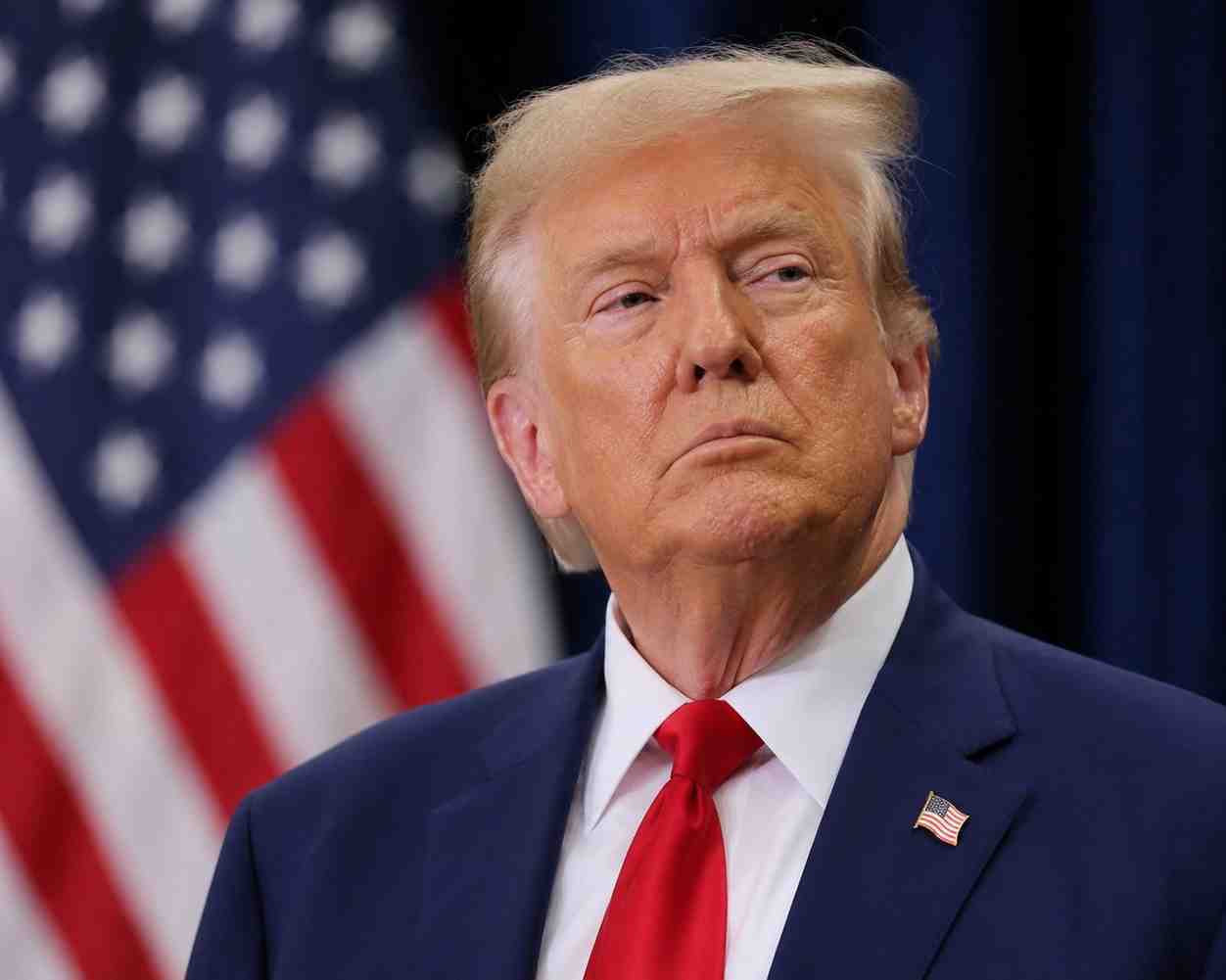
The US President Donald Trump has indicated a major shift in his position on Iran’s frozen assets, saying Washington may eventually have to return the funds because they legally belong to Iran. The statement marks a notable departure from his earlier hardline stance and comes amid ongoing efforts to secure a broader understanding between the United States and Iran following months of regional tensions and negotiations.
Speaking to reporters on Wednesday, Trump said the money had been frozen by the United States at a particular point in time, but acknowledged that it was not American money. He argued that permanently withholding the assets could damage international confidence in the US dollar and create concerns among global investors and governments that hold reserves in the American currency.
Trump’s comments represent a significant rhetorical shift because his administration has repeatedly maintained a strict sanctions regime against Tehran and resisted suggestions of offering direct financial incentives without verifiable commitments from Iran. The issue of frozen assets has become one of the most sensitive subjects in negotiations between the two countries.
The remarks came as the United States and Iran continue implementing a memorandum of understanding aimed at reducing hostilities and creating a framework for future negotiations. The agreement includes discussions on sanctions relief, maritime security in the Strait of Hormuz and limitations on Iran’s nuclear activities.
Trump also suggested that sanctions could eventually be lifted if Iran demonstrates behavioural changes. According to him, economic pressure has been one of Washington’s strongest tools, but he left open the possibility of easing restrictions if Tehran adheres to agreed commitments.
However, administration officials have simultaneously attempted to clarify that the release of Iranian funds will not happen automatically. Reports indicate that any access to frozen assets would be linked to Iran’s compliance with specific conditions, particularly regarding nuclear obligations and broader diplomatic commitments.
Iran has consistently demanded access to billions of dollars held abroad, arguing that the money rightfully belongs to the country and should not remain tied up under sanctions. Estimates suggest Iranian assets frozen worldwide exceed $100 billion, with significant amounts located in countries including China, Iraq, India, Japan and others.
The debate surrounding these assets has intensified in recent weeks because economic incentives are expected to form a key pillar of any long-term US-Iran settlement. Discussions have included proposals ranging from phased sanctions relief to investment initiatives designed to revive Iran’s economy after years of restrictions.
At the same time, the Trump administration has strongly rejected reports suggesting that Tehran would immediately receive billions of dollars simply by signing the memorandum. Officials insist that any economic benefits will be conditional and tied directly to measurable progress.
Analysts believe Trump’s latest comments reflect a balancing act between maintaining pressure on Iran and preserving America’s credibility within the global financial system. By acknowledging that the funds legally belong to Iran, Trump appeared to frame the issue less as a political concession and more as a matter of international economic trust.
The frozen assets issue has a long history dating back to the 1979 Iranian Revolution, when the United States first imposed sanctions and blocked Iranian resources held overseas. Over subsequent decades, additional sanctions related to Iran’s nuclear programme, regional activities and other disputes expanded the amount of restricted assets.
The future of these funds now remains closely linked to ongoing negotiations between Washington and Tehran. While both sides have signed an initial framework aimed at reducing tensions, several contentious issues still need to be resolved before a comprehensive agreement can be reached. These include the exact timeline for sanctions relief, verification mechanisms for Iran’s nuclear commitments and the conditions under which frozen assets would be released.
Trump’s unexpected acknowledgement has nevertheless altered the narrative surrounding one of the most controversial aspects of US-Iran diplomacy. Whether the remarks translate into concrete policy changes will depend on the progress of negotiations in the coming weeks, but they have already signalled a more pragmatic tone compared with previous rhetoric.