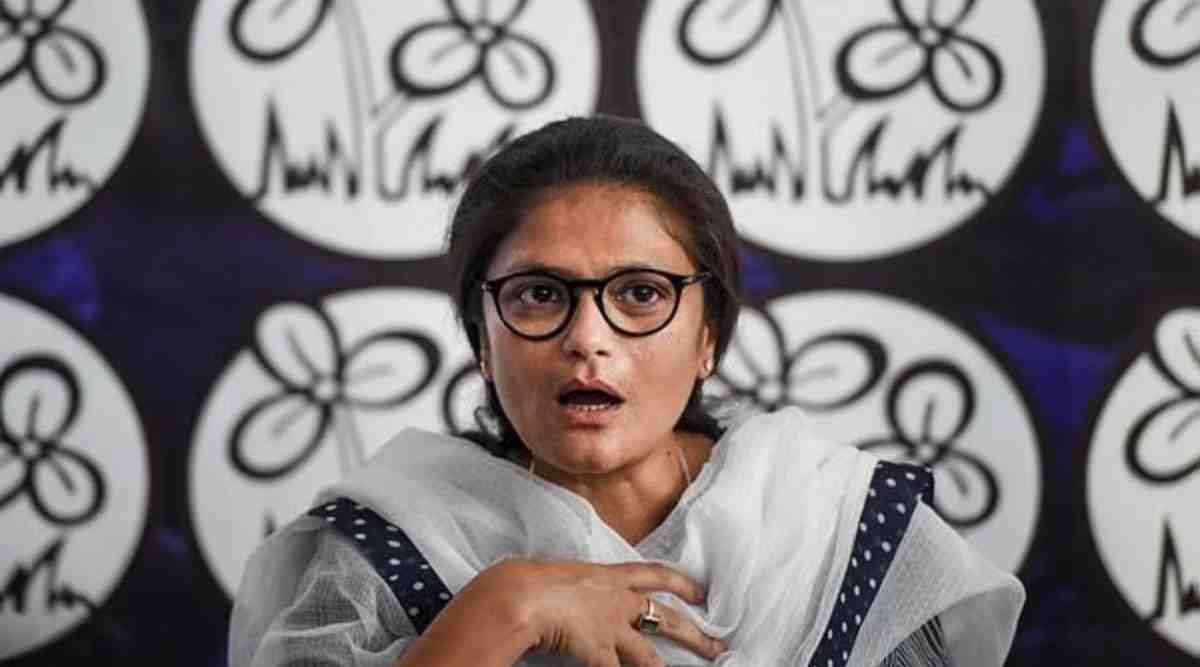
NEW DELHI: The Trinamool Congress (TMC) suffered another major setback on Wednesday as Rajya Sabha MP Sushmita Dev resigned from Parliament and all party positions, becoming the second Rajya Sabha member to part ways with the party within the same week.
In a letter addressed to Rajya Sabha Chairman C.P. Radhakrishnan, Dev formally announced her decision to step down from the Upper House with immediate effect. The resignation comes at a time when the party is grappling with internal divisions and mounting political challenges following its recent electoral loss in West Bengal.
Soon after her resignation, a photograph of Sushmita Dev meeting Assam Chief Minister Himanta Biswa Sarma at his residence in New Delhi surfaced online, triggering speculation about her future political plans. When questioned by reporters about a possible political connection with Assam, Dev briefly responded that there was “only an Assam connection.”
Sushmita Dev joined the Trinamool Congress in 2021 after ending her long association with the Congress party. At the time, she had described her move as the beginning of a new phase of public service. A prominent political figure from Assam, she is the daughter of veteran Congress leader Santosh Mohan Dev and previously represented the Silchar constituency in the Lok Sabha.
Before joining the TMC, Dev served as president of the All India Mahila Congress and was considered one of the prominent faces of the Congress in the Northeast.
Her resignation follows the departure of veteran Trinamool leader and Rajya Sabha MP Sukhendu Sekhar Ray, who resigned from both Parliament and the party earlier this week. In his statement, Ray sharply criticized the Trinamool Congress and questioned the party’s functioning during its 15-year tenure in West Bengal.
The twin resignations have intensified concerns about instability within the party. Political observers view the exits as signs of growing dissatisfaction among senior leaders following the party’s defeat in the West Bengal Assembly elections.
The developments come on the heels of an unprecedented revolt within the Trinamool legislature party. Recently, 58 TMC MLAs reportedly broke ranks with the leadership and backed Ritabrata Banerjee for the post of Leader of the Opposition, rejecting the party’s officially endorsed candidate, Shovandeb Chattopadhyay.
The rebellion culminated in Ritabrata Banerjee being recognized as Leader of the Opposition by the Assembly Speaker, exposing deep divisions within the party’s ranks. The episode raised questions about the leadership’s ability to maintain unity and control over the organization during a politically turbulent period.
For the Trinamool Congress, the departure of two Rajya Sabha MPs in quick succession represents a significant political loss. Apart from weakening the party’s presence in Parliament, the resignations could encourage further dissent among leaders and legislators already unhappy with the party’s direction after the assembly election setback.
As speculation grows regarding possible future political alignments of departing leaders, the Trinamool leadership faces the challenge of containing internal unrest and rebuilding confidence within the party. With mounting defections, legislative rebellion, and public criticism from former members, the coming weeks are likely to be crucial for the party’s efforts to restore stability and maintain its political relevance.