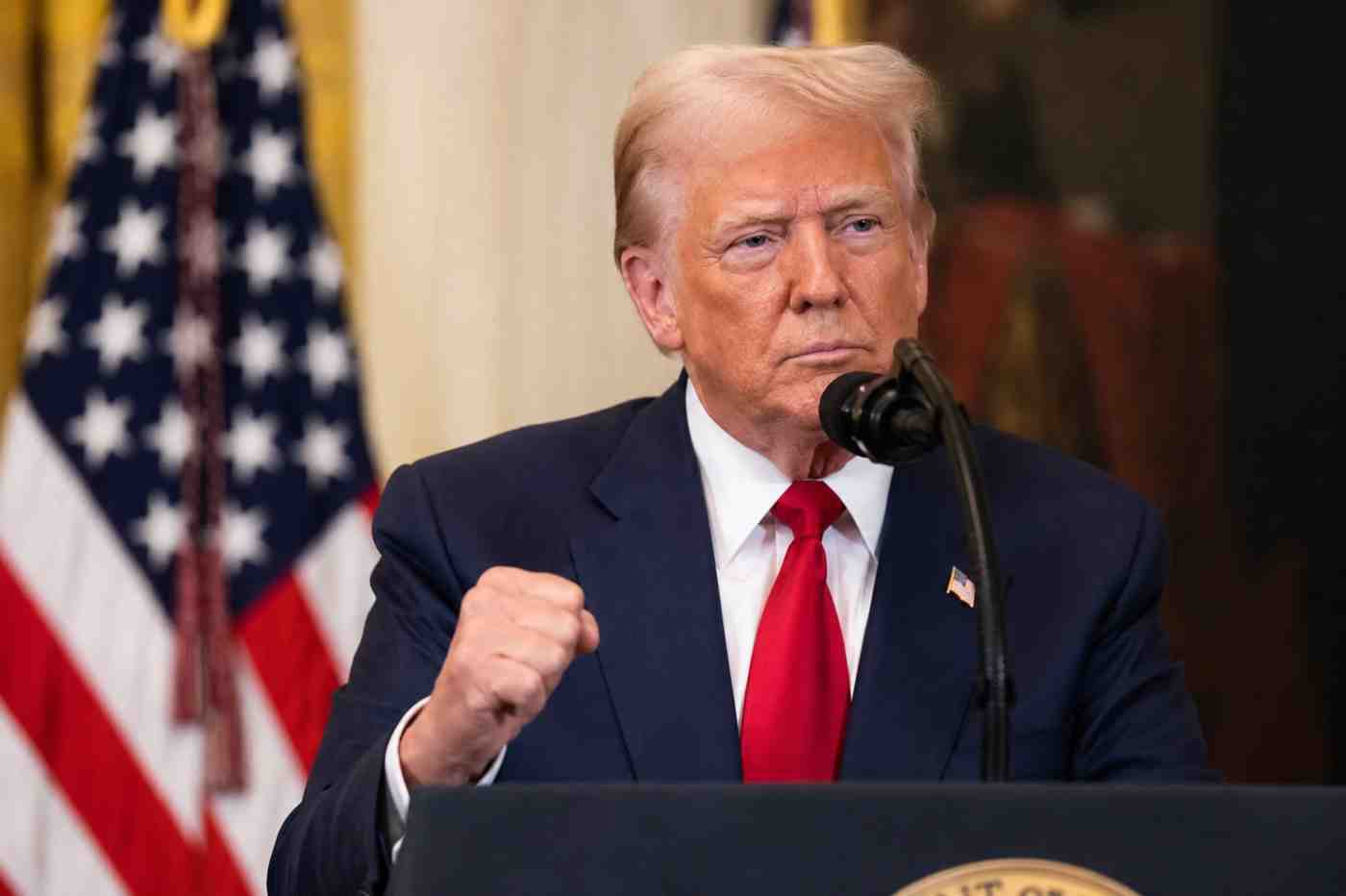
The US President Donald Trump has announced that the United States and Iran have reached a significant peace agreement, with a formal signing ceremony expected on Friday. The announcement comes after weeks of intense diplomatic efforts aimed at reducing tensions that have disrupted global energy markets and heightened security concerns across the Middle East.
Trump Announces Historic Diplomatic Achievement
President Trump described the development as a major diplomatic victory, stating that negotiations had produced a framework that could end months of escalating hostilities between Washington and Tehran. He said both sides had agreed to move forward with a peace process designed to restore regional stability and rebuild diplomatic engagement.
Strait of Hormuz Reopening Carries Global Importance
One of the most significant aspects of the agreement is the expected reopening of the Strait of Hormuz, a strategic waterway that handles nearly 20 percent of global oil shipments. Any disruption in this narrow maritime route immediately affects international energy prices and supply chains.
The reopening is expected to improve global trade flows, ease pressure on oil markets and reduce concerns about future disruptions to energy supplies.
Iran Confirms Negotiation Framework
Iranian officials have acknowledged the existence of a preliminary agreement but have emphasized that discussions are far from over. Tehran stated that further negotiations will continue over the next 60 days to settle several unresolved issues.
Key topics expected to remain under discussion include sanctions relief, nuclear activities, regional security arrangements and future monitoring mechanisms.
International Mediators Played a Key Role
Reports suggest that several countries, including Pakistan and European diplomatic partners, helped facilitate communication between both sides. Their involvement proved critical in preventing negotiations from collapsing during tense moments.
Diplomatic sources indicate that neutral venues and backchannel discussions allowed negotiators to make progress without additional public pressure.
Markets React Positively to the Announcement
Global financial markets responded positively after Trump’s statement. Oil prices declined as investors anticipated the restoration of stable energy supplies.
Stock markets across Asia also recorded gains, reflecting optimism that one of the world’s most dangerous geopolitical flashpoints may be easing.
Economists believe a sustained reopening of the Strait of Hormuz could help slow inflation by reducing energy costs worldwide.
Major Questions Still Remain
Despite the positive headlines, important details have not yet been released publicly. Analysts say several critical questions remain unanswered.
There is still uncertainty surrounding the implementation timeline, enforcement mechanisms and guarantees that both countries will uphold their commitments over the long term.
Experts warn that many peace agreements face challenges during the execution phase, particularly when longstanding disputes are involved.
Regional Allies Remain Cautious
Several Middle Eastern countries are closely monitoring the developments. Israel, which has long expressed concerns over Iran’s regional influence and nuclear ambitions, has not yet fully endorsed the agreement publicly.
Security analysts believe regional dynamics could influence how smoothly the peace process advances in the coming weeks.
Domestic Political Impact for Trump
The announcement may also carry significant political benefits for President Trump. Rising energy prices and prolonged Middle East tensions had become domestic concerns in the United States.
A successful peace initiative could strengthen his image as a leader capable of resolving complex international crises through diplomacy.
Next 60 Days Will Be Crucial
Diplomatic experts caution that the agreement should currently be viewed as a framework rather than a final resolution. The upcoming two months will determine whether both nations can transform initial commitments into a durable and lasting peace arrangement.
Continuous negotiations, confidence-building measures and international support will be essential to maintaining momentum.
Defining Moment for Global Geopolitics
If successfully implemented, the agreement could reshape Middle Eastern geopolitics, stabilize global energy markets and improve international economic confidence.
Friday’s signing ceremony is being viewed as a potentially historic moment, but experts agree that long-term success will depend on sustained cooperation, transparency and mutual trust between both countries.