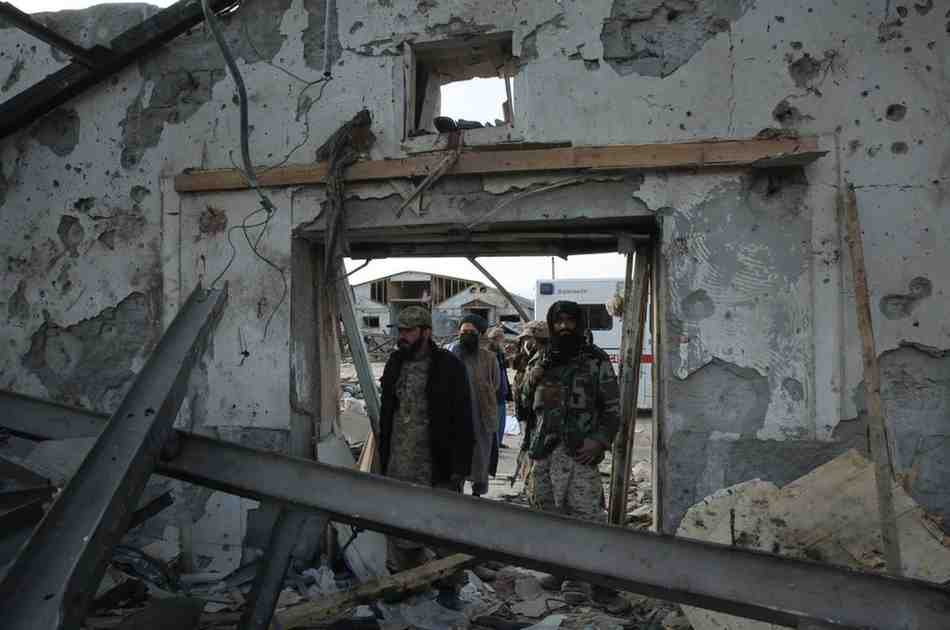
Pakistan’s fresh airstrikes in Afghanistan have once again intensified tensions between the two neighboring countries, with the Taliban administration claiming that at least 13 civilians, including 11 children and a woman, were killed in the attacks. Afghan officials said another 14 people were injured as the strikes hit multiple areas near the border on Wednesday.
According to Taliban spokesperson Zabihullah Mujahid, the airstrikes targeted the eastern Afghan provinces of Khost, Kunar, and Paktika. The Taliban condemned the strikes as a violation of Afghanistan’s sovereignty and accused Pakistan of targeting civilian areas rather than military positions. Afghan authorities warned that the attacks could further destabilize an already fragile security situation in the region.
Pakistan has not officially confirmed carrying out the latest strikes. However, Islamabad has repeatedly maintained that it reserves the right to act against militant groups operating near the Afghanistan-Pakistan border. Pakistani authorities have long accused Afghanistan of providing safe havens to members of the Tehreek-e-Taliban Pakistan (TTP), a claim consistently denied by the Taliban-led government in Kabul.
The latest incident comes amid months of escalating hostilities between the two countries. Since February 2026, cross-border clashes, airstrikes, and accusations of supporting militant groups have strained relations. Pakistan has carried out several military operations inside Afghanistan, claiming to target terrorist hideouts, while Afghan officials insist that civilians have borne the brunt of the attacks.
The Taliban government has reacted sharply to the latest strikes, describing them as an unacceptable breach of international norms. Afghan officials said women and children were among the victims and called on the international community to take notice of what they described as repeated violations of Afghan territory.
Security analysts believe the renewed violence is linked to growing concerns in Pakistan over cross-border militant activity. Earlier this year, Pakistan launched a series of military operations against alleged TTP and Islamic State-linked targets in Afghanistan. Islamabad argued that the strikes were necessary to protect its national security following deadly attacks on Pakistani security forces.
The worsening conflict has raised concerns among regional and international observers. The United Nations has previously reported significant civilian casualties from the Afghanistan-Pakistan conflict, with hundreds of people reportedly killed or injured since the fighting intensified in early 2026. Humanitarian organizations have repeatedly urged both sides to protect civilians and seek diplomatic solutions to prevent further bloodshed.
The latest airstrikes are expected to further strain already fragile relations between Kabul and Islamabad. While both sides continue to trade accusations over terrorism and border security, civilians living in frontier regions remain caught in the middle of the conflict. With tensions showing no signs of easing, fears are growing that the violence could trigger another dangerous escalation between the neighboring nations.