The Middle East witnessed another major escalation on Saturday after Iran announced the closure of the Strait of Hormuz following Israeli attacks in Lebanon that reportedly killed more than 20 people. The move has once again raised fears of disruptions to global energy markets and a wider regional confrontation.
Why the Strait of Hormuz Matters
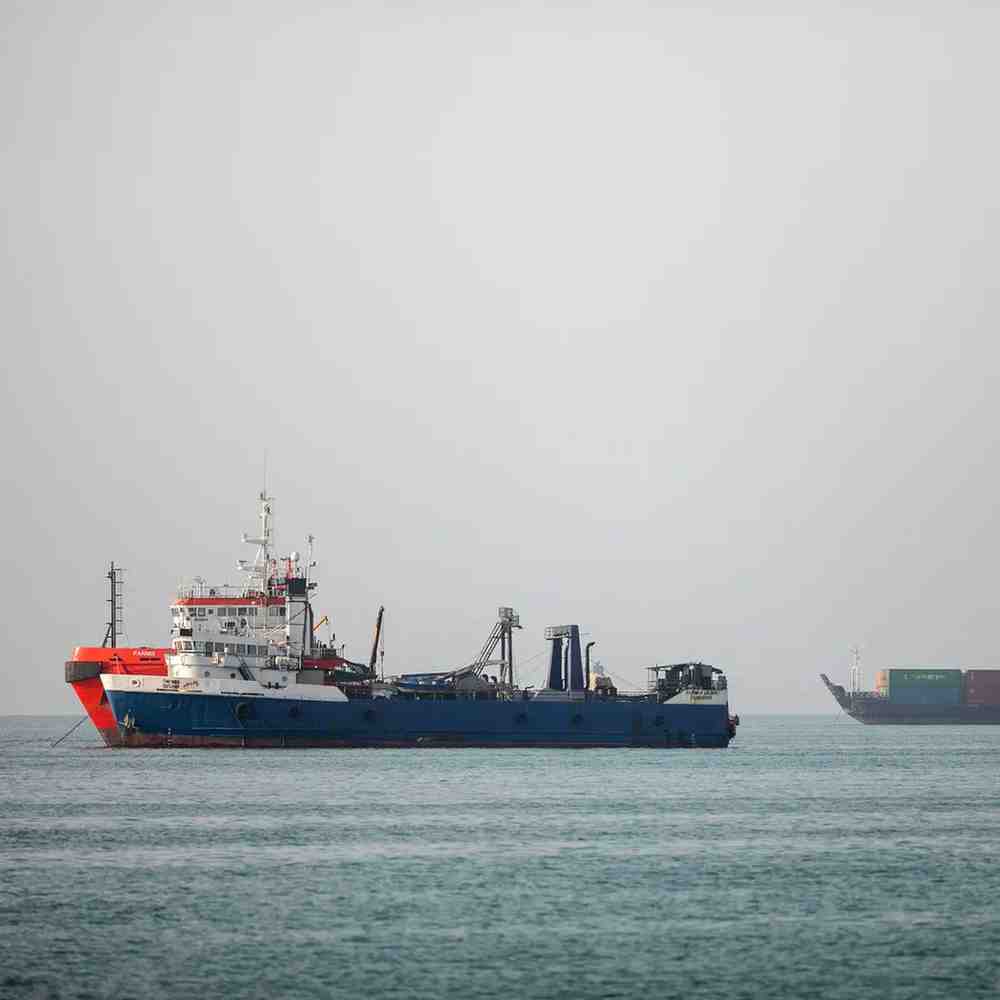
The Strait of Hormuz is one of the world’s most important maritime trade routes. Located between Iran and Oman, it connects the Persian Gulf to the Gulf of Oman and the Arabian Sea. A significant portion of the world’s oil and liquefied natural gas exports passes through this narrow waterway every day, making it a critical artery for global energy supplies.
Any disruption in this region has immediate consequences for international oil prices, shipping insurance costs and global supply chains. Experts have repeatedly warned that instability in Hormuz could trigger economic uncertainty across multiple continents.
Iran’s Latest Decision
According to reports, Iranian authorities declared another closure of the Strait in response to Israeli military operations in Lebanon. Tehran described the action as a retaliatory measure and warned that further escalation could lead to additional steps if hostilities continue.
The announcement comes shortly after previous attempts to reopen and stabilize maritime traffic in the region. However, renewed violence has pushed tensions back to dangerous levels.
At the same time, conflicting reports have emerged regarding the practical enforcement of the closure. While Iranian agencies announced restrictions, some officials and international observers said there was no immediate evidence that shipping traffic had completely stopped.
Israeli Strikes in Lebanon Trigger New Crisis
The latest development was reportedly triggered by Israeli strikes in Lebanon that killed at least 20 people. The attacks have further complicated an already volatile situation involving Israel, Lebanon and Iran-backed groups operating in the region.
Iran has consistently positioned itself as a defender of allied groups across the Middle East and has frequently warned Israel against expanding military operations beyond Gaza and other conflict zones. The latest action indicates Tehran is willing to use strategic economic pressure as part of its response.
Global Economic Concerns Intensify
Energy analysts are closely monitoring developments because prolonged disruptions in Hormuz could affect fuel prices worldwide.
Several countries, especially those heavily dependent on Gulf oil exports, are preparing contingency plans in case shipping lanes remain restricted. Maritime companies may also face higher insurance premiums and increased operational costs.
Financial markets traditionally react sharply to any threat involving the Strait of Hormuz because of its significance to international trade. Extended disruptions could affect inflation, transportation costs and industrial production globally.
Diplomatic Efforts Under Pressure
The latest escalation also puts ongoing diplomatic efforts under strain. Recent discussions between Iran, the United States and regional actors were aimed at reducing tensions and restoring stability after months of conflict.
However, renewed military actions threaten to derail these efforts and may complicate future negotiations. Analysts say international mediators will likely intensify efforts to prevent a broader regional war.
The United States and several Western allies are expected to monitor maritime activity closely while urging restraint from all parties involved.
What Happens Next?
The coming days will be crucial for determining whether this latest closure becomes symbolic pressure or develops into a prolonged disruption of one of the world’s busiest energy corridors.
Any further military escalation between Iran, Israel and allied groups in Lebanon could have consequences far beyond the Middle East, impacting economies and consumers worldwide.
For now, governments, shipping companies and global markets remain on high alert as the situation continues to evolve rapidly.
Since a significant share of global oil trade passes through this route, prolonged disruption could trigger higher fuel prices, inflation and economic uncertainty worldwide. The development also increases the risk of a wider regional conflict involving Israel, Iran and their allies.