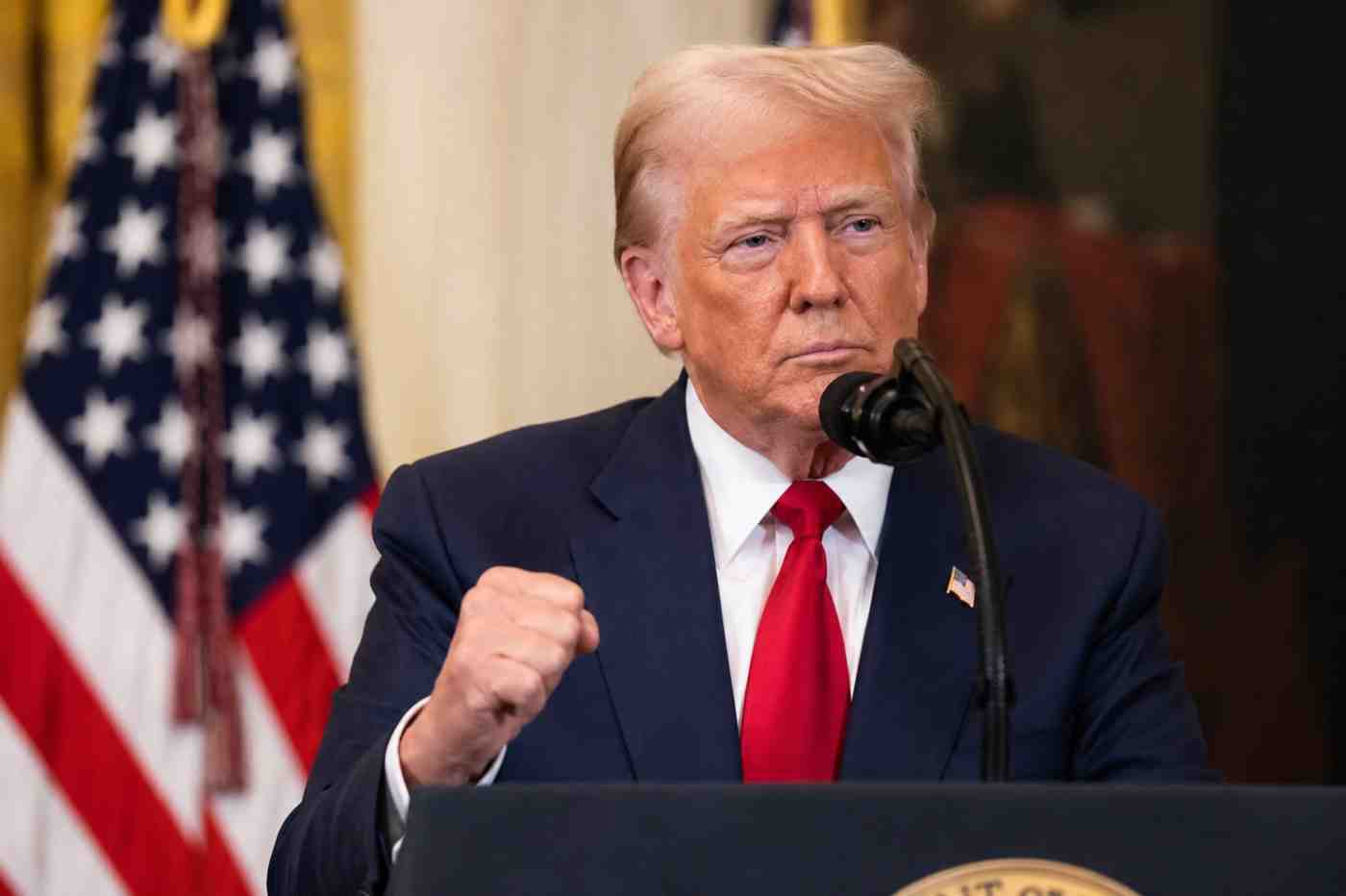
The United States has temporarily halted its military strikes on Iran, a move that has sparked cautious optimism about the possibility of renewed diplomacy in West Asia. However, analysts and officials warn that the situation remains highly volatile, with multiple flashpoints across the region capable of reigniting conflict at short notice.
The pause comes after nearly two weeks of intense military operations that began following Iran’s effective closure of the strategically vital Strait of Hormuz. The waterway is one of the world’s most important maritime trade routes, carrying nearly one-fifth of global oil shipments. Its disruption has raised concerns about energy security, shipping, and the broader global economy.
Why the US Has Paused Its Attacks
According to reports, the suspension of American airstrikes is being viewed as an opportunity to assess whether diplomatic engagement can reduce tensions. While military operations have stopped for now, officials have made it clear that the pause should not be interpreted as a permanent ceasefire.

Strategic experts believe the United States is weighing several factors, including regional stability, military preparedness, global energy markets, and the possibility of negotiations with Tehran. Observers note that if diplomatic efforts fail, military action could resume.
Security analysts have described the current situation as a “window of opportunity” rather than a resolution, emphasizing that sustained peace will depend on meaningful negotiations between the two sides.
Strait of Hormuz Remains the Core Issue
At the heart of the confrontation is the Strait of Hormuz, one of the world’s busiest energy corridors. The waterway connects the Persian Gulf to international waters and serves as the primary export route for oil from several Gulf nations.
Iran’s restrictions on maritime movement have significantly affected international shipping and oil markets. The United States has argued that maintaining freedom of navigation is essential for global economic stability, while Iran maintains that its actions are linked to broader security concerns.
The continued uncertainty surrounding the strait has prompted international concern, with governments closely monitoring developments that could influence fuel prices and commercial shipping worldwide.
Diplomacy Gains Momentum
Diplomatic channels have reportedly become more active following the pause in military operations. Regional and international mediators are exploring ways to bring Washington and Tehran back to the negotiating table.
Also Read: Rajnath Singh: “Every Misadventure By Pakistan Will Invite Response Beyond Imagination”
Several countries have expressed support for dialogue over further escalation, believing that continued diplomacy offers the best chance to prevent another cycle of military confrontation. While no breakthrough has yet been announced, the willingness of both sides to temporarily step back from direct military action has been viewed as a positive signal.
Experts caution that negotiations remain fragile because both governments continue to maintain strong public positions on key security and strategic issues.
Wider Regional Risks Persist
Despite the pause in direct US-Iran strikes, West Asia remains highly unstable. Armed groups aligned with Iran continue to play an influential role in regional security, while tensions involving Saudi Arabia and the Red Sea have added fresh complications.
Recent developments involving Houthi forces have highlighted the possibility that conflict could spread beyond the Gulf, threatening additional shipping routes and critical energy infrastructure. This broader regional dimension means that even if direct US-Iran hostilities ease, instability could continue elsewhere in West Asia.
Military analysts say the interconnected nature of regional conflicts makes it difficult to isolate any single dispute from the wider security landscape.
Global Markets Watching Closely
Financial markets and energy traders are closely tracking developments, as any renewed fighting could immediately affect oil prices and international trade.
The temporary military pause has provided some relief to investors concerned about prolonged disruption in global energy supplies. However, analysts warn that uncertainty remains high because the underlying political disagreements have not yet been resolved.
Shipping companies also continue to monitor security conditions before expanding commercial operations through sensitive maritime routes.
What Lies Ahead
The coming days are expected to be crucial in determining whether diplomacy can replace military confrontation. Discussions between international mediators, regional governments, and the parties directly involved could shape the next phase of the crisis.
While the current pause has reduced immediate military pressure, experts agree that lasting stability will require agreements addressing maritime security, regional influence, and broader political disputes.
For now, West Asia stands at a crossroads. The suspension of US strikes has created an opening for diplomacy, but with unresolved tensions, competing strategic interests, and multiple active conflict zones, the region remains vulnerable to renewed escalation at any moment.
Click here to join our WhatsApp Channel for real-time news updates and exclusive coverage.