An eight-week clinical study by the Institute of Teaching and Research in Ayurveda (ITRA), Jamnagar, has reported encouraging results from an integrated Ayurveda-and-yoga approach for managing nocturnal enuresis, commonly known as bedwetting, among children.
The study, conducted by the Department of Kaumarbhritya (Paediatrics) at ITRA, an Institution of National Importance under the Ministry of Ayush, Government of India, found that children receiving Ayurvedic medicine alongside selected yoga practices experienced greater improvements than those treated with Ayurvedic medicine alone.
The findings have been published in the internationally recognised AYU Journal, adding to research exploring traditional Indian approaches to common childhood health concerns.
Study Examined Children Aged 6–14
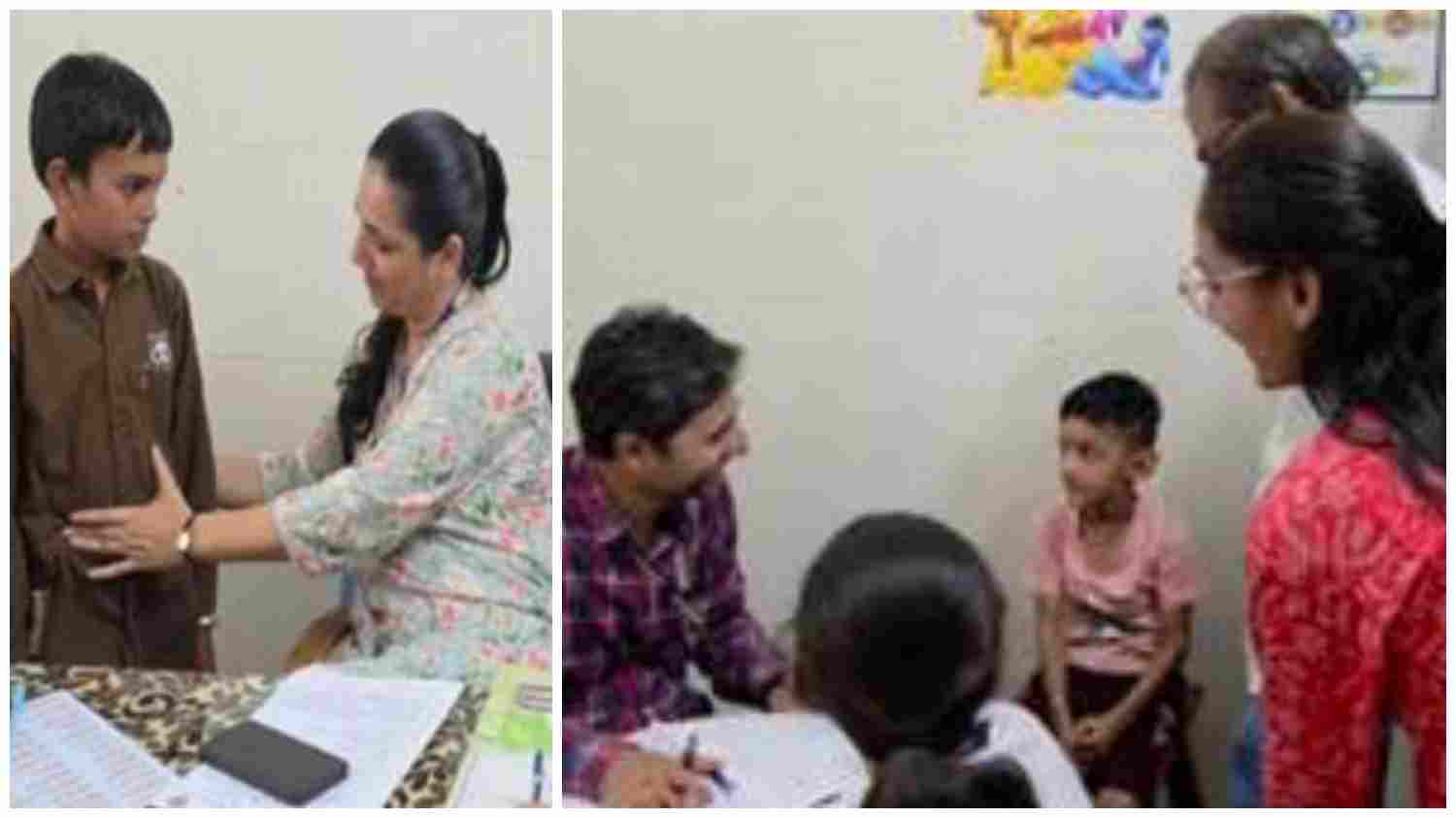
The clinical study involved approximately 38 children between six and 14 years of age. Researchers divided the participants into two groups to compare the effects of Ayurvedic treatment alone with an integrated intervention combining Ayurveda and yoga.
The first group received Medhya Rasayana Churna, an Ayurvedic formulation containing Brahmi, Shankhpushpi, Yashtimadhu (liquorice) and Guduchi. The formulation was administered twice daily with milk.
The second group received the same Ayurvedic formulation but also followed a structured yoga routine. The children practised four selected asanas — Utkatasana, Ardha-Shalabhasana, Bhujangasana and Shavasana — regularly in the morning and evening.
The researchers assessed several parameters during the eight-week intervention, including bedwetting frequency, memory, irritability, hyperactivity, concentration and behavioural changes.
Combined Ayurveda and Yoga Showed Greater Improvement
According to the study findings, the group receiving the combined Ayurveda-and-yoga intervention demonstrated stronger improvements across several measured parameters.
Children treated with the Ayurvedic formulation alone recorded an approximately 38% improvement in the frequency of bedwetting. In comparison, the group practising yoga alongside the Ayurvedic treatment showed an improvement of approximately 70%.
The results also indicated notable differences in cognitive and behavioural parameters. Memory reportedly improved by around 31% in the Ayurveda-only group, compared with approximately 61% among children receiving the combined intervention.
Researchers additionally observed improvements in irritability. The integrated-treatment group recorded an approximately 66% reduction in irritability, alongside positive changes in behavioural parameters.
Yoga Linked With Improvements in Hyperactivity
The study also reported encouraging findings concerning hyperactivity. Children who followed the yoga programme showed an approximately 71% reduction in hyperactivity, while improvements were also observed in concentration and morale.
The researchers suggested that regular practice of selected yoga postures could potentially complement Ayurvedic treatment by supporting physical and behavioural aspects associated with nocturnal enuresis.
The study specifically highlighted practices such as Utkatasana and Bhujangasana, which may help support the pelvic region and bladder-control mechanisms when performed appropriately.
However, such findings should be understood within the context of the particular clinical study and should not be interpreted as establishing yoga or Ayurveda as a replacement for conventional medical evaluation.
Ayurvedic Formulation Focused on Mental Well-Being
The Ayurvedic intervention used in the study contained four traditionally used ingredients — Brahmi, Shankhpushpi, Yashtimadhu and Guduchi.
Brahmi and Shankhpushpi have traditionally been associated with calming effects and support for mental well-being in Ayurveda. The researchers considered these properties relevant because childhood bedwetting can sometimes occur alongside psychological or behavioural concerns.
According to Prof. Dr. Tanuja Nesari, Director, ITRA, Jamnagar, nocturnal enuresis may involve difficulties related to bladder control and can, in some cases, be accompanied by psychological and behavioural factors.
The study therefore explored a broader management strategy rather than focusing solely on the occurrence of bedwetting.
Researchers Highlight Integrated Approach
The research was conducted and presented by Prof. Vaidya Virendra Kori, Vaidya Sagar Bhinde and Vaidya Amisha Bavarva. The research team analysed the data collected during the clinical investigation before the paper was accepted for publication in the AYU Journal.
Read Also | “India-Switzerland Partnership Enters New Era,” PM Modi Says, Unveiling $100 Billion Investment Roadmap
The findings point towards the potential value of combining traditional medicine with structured lifestyle practices such as yoga when addressing childhood nocturnal enuresis.
The researchers emphasised that an integrated approach may provide benefits beyond the primary symptom, particularly where behavioural and psychological parameters are also involved.
Sensitivity Important in Managing Childhood Bedwetting
Bedwetting is a relatively common childhood condition and can be distressing for both children and families. Emotional pressure, embarrassment or punishment can further affect a child’s confidence and well-being.
The ITRA study highlights the importance of approaching the condition with sensitivity while considering appropriate medical and lifestyle interventions.
While the reported results are promising, larger and more rigorous clinical studies would be valuable to further establish the effectiveness and long-term benefits of combining Ayurveda and yoga for nocturnal enuresis.
For parents, persistent or newly occurring bedwetting should be discussed with a qualified healthcare professional to identify possible underlying causes and determine appropriate treatment.
Click here to join our WhatsApp Channel for real-time news updates and exclusive coverage.