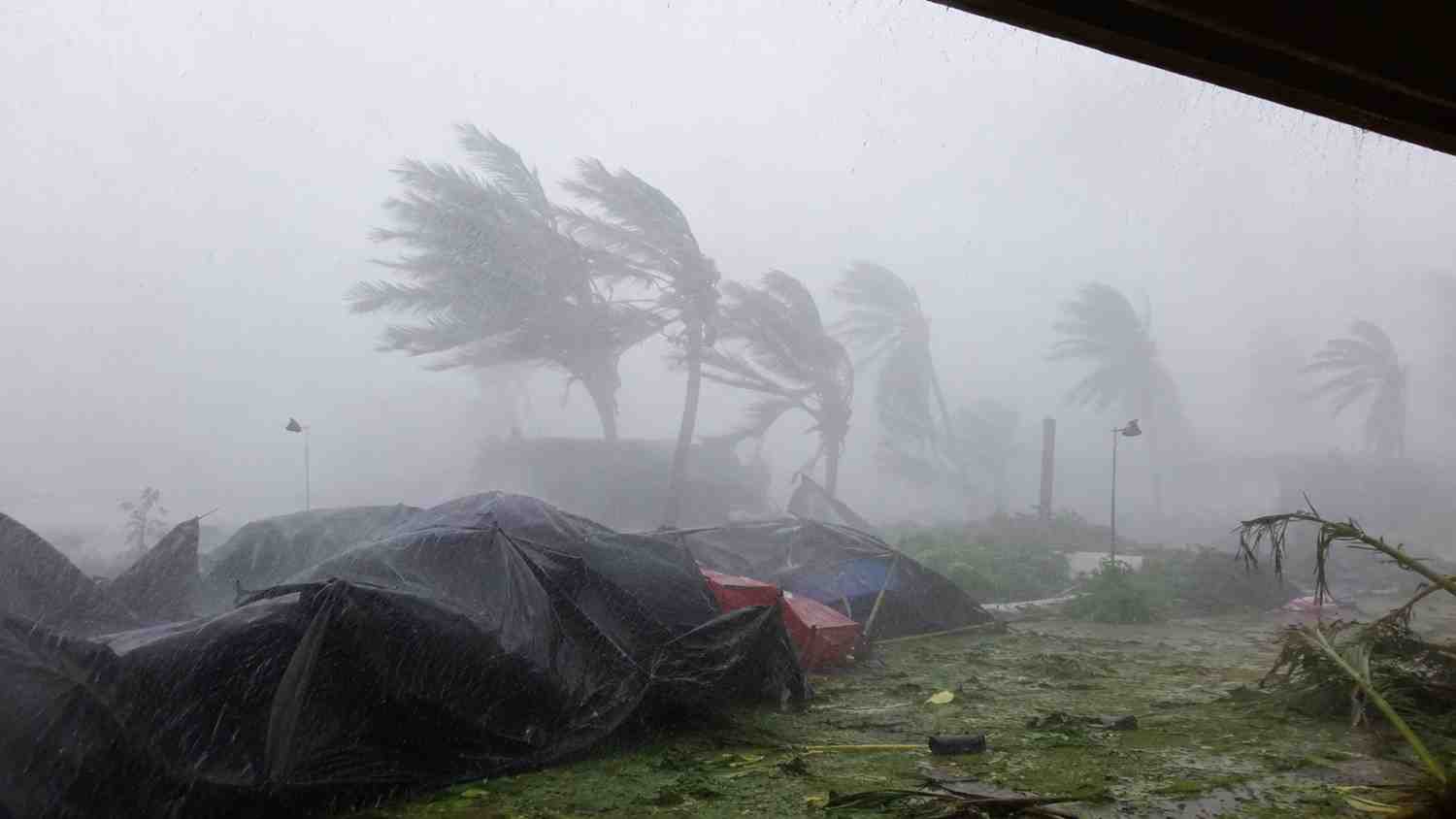
Typhoon Bavi unleashed widespread disruption across East Asia on Saturday, forcing mass evacuations, grounding hundreds of flights and prompting emergency alerts in Japan, Taiwan and China as authorities raced to protect residents from one of the strongest storms of the season. The powerful weather system brought torrential rain, damaging winds and dangerous sea conditions, leaving governments on high alert ahead of its expected landfall in eastern China.
Japan Faces Strong Winds and Transport Disruptions
The typhoon first struck Japan’s southern island chain, including Okinawa’s Sakishima Islands, with intense rainfall and strong winds. Authorities warned residents about the risks of flooding, landslides and high waves as the storm moved through the region.
Air travel was severely affected, with more than 200 flights cancelled, disrupting domestic and international travel plans. Ferry services were also suspended in several areas due to rough sea conditions, while emergency officials urged residents to remain indoors until weather conditions improved.
Japan’s meteorological authorities continued issuing warnings for heavy rainfall and strong gusts, cautioning that even areas outside the storm’s direct path could experience hazardous weather.
Taiwan Orders Evacuations and Suspends Services
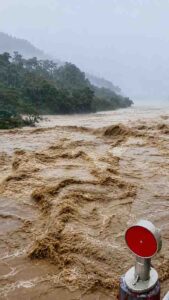
As Typhoon Bavi approached Taiwan, authorities launched large-scale precautionary measures across the island. More than 14,000 residents, particularly those living in mountainous and landslide-prone regions, were evacuated to safer locations before the storm’s arrival.
Schools and government offices were closed across several counties, while many businesses suspended operations. Nearly all domestic flights and a significant number of international services were cancelled as airports prepared for severe weather.
Meteorologists warned that some mountainous regions could receive close to one metre of rainfall, raising fears of flash floods and landslides. Officials also advised residents to avoid coastal areas because of dangerous waves and storm surges.
Emergency response teams remained on standby across the island, while rescue personnel and equipment were deployed in vulnerable districts.
China Evacuates Hundreds of Thousands
China intensified emergency preparations as Typhoon Bavi headed towards the eastern coastal province of Zhejiang, where landfall was expected during the early hours of Sunday.
Authorities evacuated more than 600,000 people from vulnerable areas, with the majority relocated from Zhejiang Province and thousands more moved from neighbouring Fujian. Emergency shelters were opened while transport services, including ferry operations, were suspended in several coastal cities.
Officials also activated thousands of emergency workers and rescue personnel to respond quickly in case of flooding, landslides or infrastructure damage.
The city of Wenzhou, home to nearly 10 million residents, prepared for the storm by strengthening flood-control measures and monitoring rivers and coastal areas vulnerable to rising water levels.
Heavy Rain and Flooding Remain Major Concerns
Although forecasters indicated that Typhoon Bavi had weakened slightly while travelling over cooler waters, weather agencies warned that the storm still carried enormous amounts of moisture capable of producing widespread flooding.
Also Read: Rajnath Singh Commissions INS Mahendragiri, Strengthening India’s Indigenous Naval Power
Authorities across the affected regions stressed that heavy rainfall posed a greater threat than the wind itself, especially in mountainous areas where saturated ground significantly increases the risk of landslides.
Emergency management agencies urged residents to avoid unnecessary travel, monitor official weather updates and prepare emergency supplies as conditions could deteriorate rapidly.
Regional Impact Extends Beyond East Asia
The storm also intensified seasonal monsoon rains over parts of the Philippines, where severe flooding and landslides caused fatalities and forced thousands of people to seek shelter. Disaster response agencies continued rescue and relief operations as heavy rainfall persisted in several provinces.
The broader regional impact highlighted the growing vulnerability of Asia-Pacific countries to increasingly intense tropical cyclones, which have caused widespread economic disruption and humanitarian challenges in recent years.
Authorities Urge Continued Vigilance
Officials in Japan, Taiwan and China have urged residents to remain alert even after the storm weakens, warning that flooding, landslides and dangerous sea conditions may continue for several days.
Emergency agencies continue to monitor Typhoon Bavi’s movement closely while coordinating rescue teams, weather monitoring services and disaster response operations. Authorities have advised the public to follow evacuation orders, avoid flood-prone areas and rely only on official weather bulletins until the threat has completely passed.
Click here to join our WhatsApp Channel for real-time news updates and exclusive coverage.