
The Middle East witnessed a fresh wave of tensions over the weekend as hostilities involving Iran, Israel, the United States and regional allies intensified, raising concerns that recent diplomatic efforts could be derailed by renewed military actions.
The latest developments unfolded after Israel launched airstrikes in southern Beirut, targeting what it described as Hezbollah-linked positions. The strikes came in response to missile attacks allegedly launched by the Iran-backed group toward northern Israel. The military action has once again placed the region on edge, with fears growing that the conflict could expand beyond Lebanon and draw in additional regional powers.
Iran responded sharply to the Israeli operation. Reports indicated that Tehran launched missiles toward Israel following the Beirut strikes, marking one of the most serious escalations since a ceasefire framework had been discussed earlier this year. Israeli authorities claimed their air defense systems intercepted the incoming projectiles, preventing significant damage. Nevertheless, the exchange highlighted the fragility of existing understandings between the rival sides.
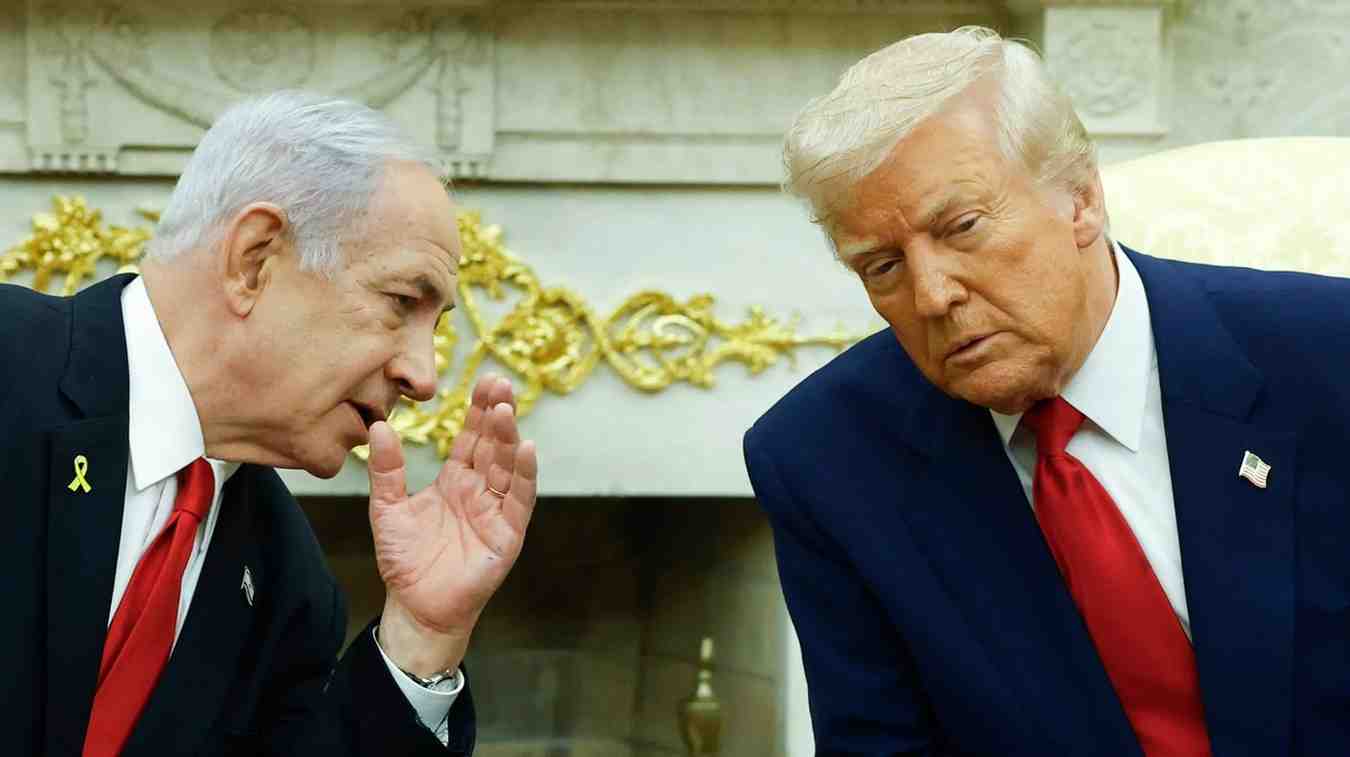
Amid the growing crisis, U.S. President Donald Trump urged restraint and publicly called on Israeli Prime Minister Benjamin Netanyahu to avoid further retaliation. Trump stated that negotiations aimed at reducing tensions with Iran were progressing and warned that additional military action could jeopardize ongoing diplomatic efforts. According to reports, the U.S. administration believes a negotiated arrangement remains possible despite recent hostilities.
The United States remains deeply involved in the regional security situation. American forces continue to maintain a strong military presence across the Gulf while monitoring Iranian activities. Recent months have seen repeated confrontations involving missile attacks, drone interceptions and naval operations linked to the strategic Strait of Hormuz. U.S. officials have emphasized that they are prepared to respond to threats against American personnel and allied nations.
One of the most significant concerns remains the Strait of Hormuz, a critical global shipping route through which a substantial share of the world’s oil exports passes. Continued instability in the area has already affected energy markets. Reports of maritime tensions and disruptions have pushed oil prices higher, reflecting investor concerns about potential supply interruptions. Analysts warn that any prolonged disruption could have consequences for economies far beyond the Middle East.
Regional governments have also found themselves caught in the crossfire. Bahrain and Kuwait have condemned attacks linked to the broader conflict and called for restraint from all sides. Both countries host important strategic facilities and have become increasingly concerned about the possibility of being drawn into a larger confrontation. Recent missile and drone incidents have reinforced fears that the conflict could spread across the Gulf region.
The situation in Lebanon remains particularly delicate. A ceasefire arrangement between Israel and Lebanon had offered hope for reducing violence, but continued clashes and accusations of violations have undermined confidence in the agreement. Hezbollah has rejected aspects of proposed arrangements and maintains that Israeli military actions threaten regional stability. Israeli leaders, meanwhile, insist that security concerns require a firm response to attacks originating from Lebanese territory.
Diplomatic negotiations involving Washington and Tehran continue in the background. While both sides have expressed interest in avoiding a wider war, major disagreements remain over sanctions, regional security issues and Iran’s future commitments. Trump has acknowledged that reaching a comprehensive agreement will take time but has maintained that progress is being made. Iranian officials, however, have warned that further Israeli strikes could undermine any chance of a breakthrough.
Military analysts note that the region currently faces a dangerous period in which a single miscalculation could trigger broader hostilities. With missile exchanges, airstrikes and naval confrontations occurring alongside diplomatic negotiations, the balance between war and diplomacy remains extremely fragile. International observers continue to call for de-escalation as governments work to prevent another major conflict in the Middle East.
For now, the focus remains on whether ongoing negotiations can survive the latest round of violence. The coming days are expected to be crucial in determining whether diplomacy can regain momentum or whether the region moves toward a deeper and more unpredictable crisis.