A powerful earthquake measuring 8.2 on the Richter scale struck the Mindanao region of the Philippines early Monday, triggering tsunami warnings and prompting authorities across parts of the Pacific to closely monitor the situation. The strong seismic event sent shockwaves across the southern Philippines and raised fears of potential coastal impacts in nearby areas.
According to initial reports from international seismic monitoring agencies, the earthquake occurred off the coast of Mindanao, one of the largest islands in the Philippines. The tremor was powerful enough to trigger automatic alerts from tsunami monitoring systems, leading authorities to issue precautionary warnings for coastal communities.
The United States Tsunami Warning System indicated that tsunami waves could be generated as a result of the undersea earthquake. Authorities began assessing the possible threat to nearby coastlines while advising residents in vulnerable areas to remain alert and follow official instructions.
The German Research Centre for Geosciences (GFZ), which monitors seismic activity around the world, initially estimated the earthquake at a lower magnitude before revised assessments placed it at 8.2. Such revisions are common in the aftermath of major earthquakes as additional seismic data becomes available from monitoring stations across the globe.
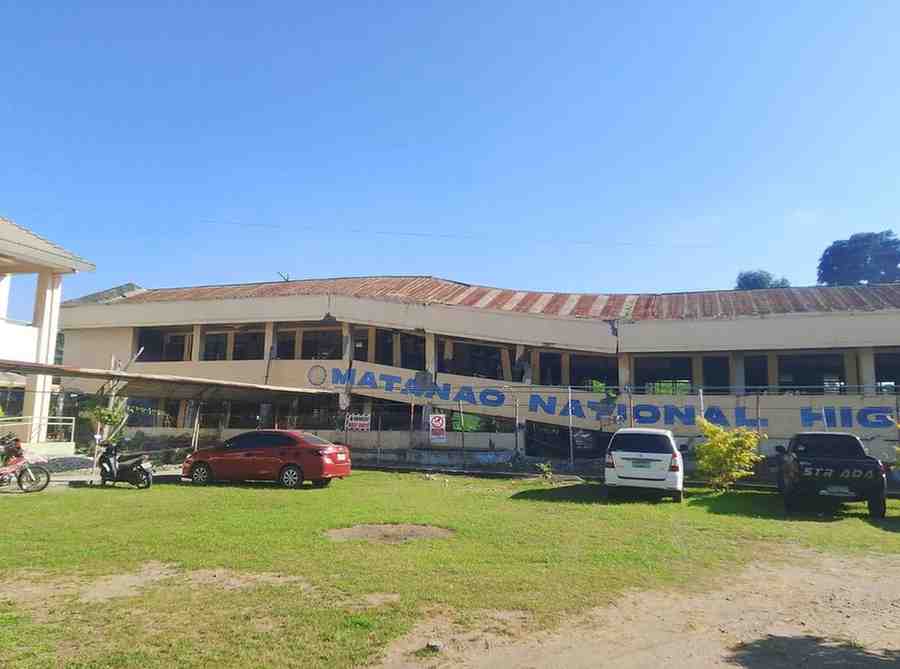
Residents in several parts of Mindanao reported feeling strong shaking that lasted for several seconds. The tremors were powerful enough to cause panic among people who rushed out of homes, offices and commercial establishments in search of open spaces. While the full extent of damage remained unclear in the immediate aftermath, emergency response agencies were placed on high alert.
Authorities in the Philippines began coordinating with local disaster management units to evaluate potential impacts on infrastructure, transportation networks and coastal communities. Emergency teams were mobilised to conduct rapid assessments and ensure that evacuation procedures could be activated if required.
The Philippines is among the most earthquake-prone countries in the world because it lies along the Pacific Ring of Fire, a vast zone of intense seismic and volcanic activity. The region experiences frequent earthquakes due to the movement of several tectonic plates beneath the Pacific Ocean. Large and destructive earthquakes have struck the country on multiple occasions, causing significant loss of life and property damage.
Experts note that undersea earthquakes of such high magnitude can pose a significant tsunami risk, especially when they occur near populated coastlines. Even when major tsunami waves do not materialise, authorities often issue warnings as a precautionary measure to safeguard lives and allow sufficient time for evacuations if necessary.
As news of the earthquake spread, governments and monitoring agencies across the region closely tracked developments. Seismologists continued analysing data related to the quake’s depth, location and aftershock activity to determine the likelihood of further seismic events. Coastal residents were urged to remain cautious and stay updated through official channels.
At the time of reporting, there were no immediate confirmed reports of large-scale casualties or widespread destruction. However, officials cautioned that it could take several hours before a complete picture of the situation emerged, particularly in remote areas that may have experienced communication disruptions.
Disaster management agencies stressed the importance of preparedness and public cooperation during such emergencies. Residents living near shorelines were advised to avoid beaches and low-lying coastal areas until authorities declared it safe. Emergency services remained on standby as monitoring efforts continued throughout the day.
The earthquake serves as another reminder of the geological risks faced by countries located along active tectonic boundaries. As authorities continue to assess the impact of the powerful tremor, attention remains focused on the possibility of tsunami activity and potential aftershocks in the affected region. Further updates are expected as officials gather more information from impacted communities and seismic monitoring agencies.