
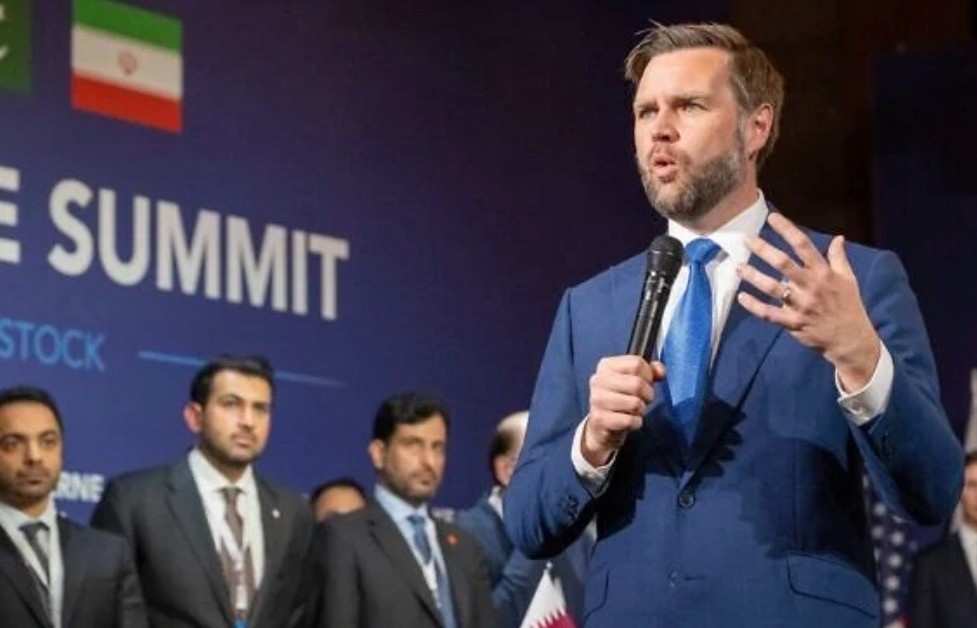
The United States has signalled a significant shift in its approach towards Iran, with Vice President JD Vance declaring that Washington wants to “fundamentally transform” its relationship with Tehran during crucial diplomatic talks being held in Switzerland.
The negotiations are viewed as one of the most important attempts in recent years to reduce tensions between the two long-time adversaries and build a framework for long-term regional stability.
A New Diplomatic Push
Speaking at the opening of the talks, Vance said the US administration is prepared to pursue a different relationship with Iran if Tehran demonstrates a commitment to addressing long-standing concerns surrounding its nuclear activities and regional influence. The comments mark a notable departure from years of confrontational rhetoric that has dominated relations between both nations.
The negotiations are taking place at the Bürgenstock resort near Lucerne, Switzerland, a location that has frequently hosted sensitive international diplomatic meetings. Vance arrived in Switzerland alongside senior American officials to participate in discussions expected to continue for several days.
Key Issues on the Negotiating Table
The talks encompass a broad range of issues beyond Iran’s nuclear programme. Discussions are focused on:
- Limiting Iran’s nuclear activities.
- Preventing further escalation in Lebanon.
- Maintaining stability in the Strait of Hormuz.
- Gradually easing economic sanctions.
- Building a long-term framework for cooperation between Washington and Tehran.
Officials involved in the negotiations have described the effort as an opportunity to reshape decades of hostility between the two countries.
Vance stressed that the objective is not merely crisis management but creating sustainable diplomatic engagement that could benefit the wider Middle East region.
Switzerland Emerges as Key Diplomatic Hub
Switzerland is once again playing a central role as a neutral facilitator. The country’s reputation for hosting sensitive negotiations has made it an ideal venue for these discussions.
The summit has also attracted participation from mediators representing Qatar and Pakistan, both of whom are helping bridge communication gaps between the two sides.
Security around the summit has been exceptionally tight. Authorities even established temporary no-fly zones around the meeting area, which briefly disrupted operations at Zurich Airport before normal services resumed.
Lebanon Conflict Overshadows Negotiations
Despite the positive diplomatic tone, regional instability continues to threaten progress.
The ongoing Israeli military operations in Lebanon have emerged as a major obstacle during negotiations. Iranian officials have repeatedly argued that continued attacks and military occupation in Lebanon undermine trust and violate recent understandings reached between various parties.
Violence in Lebanon has displaced large numbers of civilians and intensified concerns that a wider regional confrontation could erupt if diplomatic efforts fail.
Strait of Hormuz Remains a Flashpoint
Another major concern is the strategic Strait of Hormuz, one of the world’s most important oil shipping routes.
Iran recently announced renewed restrictions affecting the waterway following heightened tensions connected to Lebanon. While American officials have questioned the extent of the restrictions, shipping concerns remain elevated due to the waterway’s critical importance to global energy markets.
Keeping Hormuz open and ensuring uninterrupted global energy supplies has become one of Washington’s top priorities during the talks.
Mixed Messages from Washington
While Vance has adopted a conciliatory tone, President Donald Trump has simultaneously issued stern warnings towards Iran.
Trump has threatened strong military responses if Tehran escalates regional activities or fails to restrain allied militant groups operating in Lebanon. The combination of diplomatic outreach and pressure reflects Washington’s dual-track strategy of engagement backed by deterrence.
Analysts believe the differing tones are designed to keep diplomatic channels open while maintaining leverage during negotiations.
What Happens Next?
The Switzerland negotiations are expected to continue over the coming days, with technical teams likely to remain engaged even after high-level officials depart.
Success will depend on whether both sides can overcome decades of mistrust and find common ground on issues ranging from nuclear oversight to regional security arrangements.
Although significant challenges remain, Vance’s declaration about fundamentally transforming relations suggests that Washington sees a rare opportunity to reset ties with Tehran and potentially reshape the geopolitical landscape of the Middle East.