NEW DELHI: India has strongly rejected criticism made by a former Japanese minister over delays in the Mumbai-Ahmedabad High-Speed Rail (MAHSR) project, asserting that the remarks do not reflect the official position of Japan. The Ministry of External Affairs (MEA) described the comments as an “individual opinion” and maintained that work on India’s first bullet train corridor is progressing rapidly with close cooperation between New Delhi and Tokyo.
MEA Rejects Allegations of Delay
The controversy emerged after a former Japanese minister reportedly blamed India for delays in implementing the ambitious bullet train project, calling the pace of execution “sheer recklessness.” The comments attracted attention because Japan has been India’s principal technology and financial partner in the high-speed rail venture.
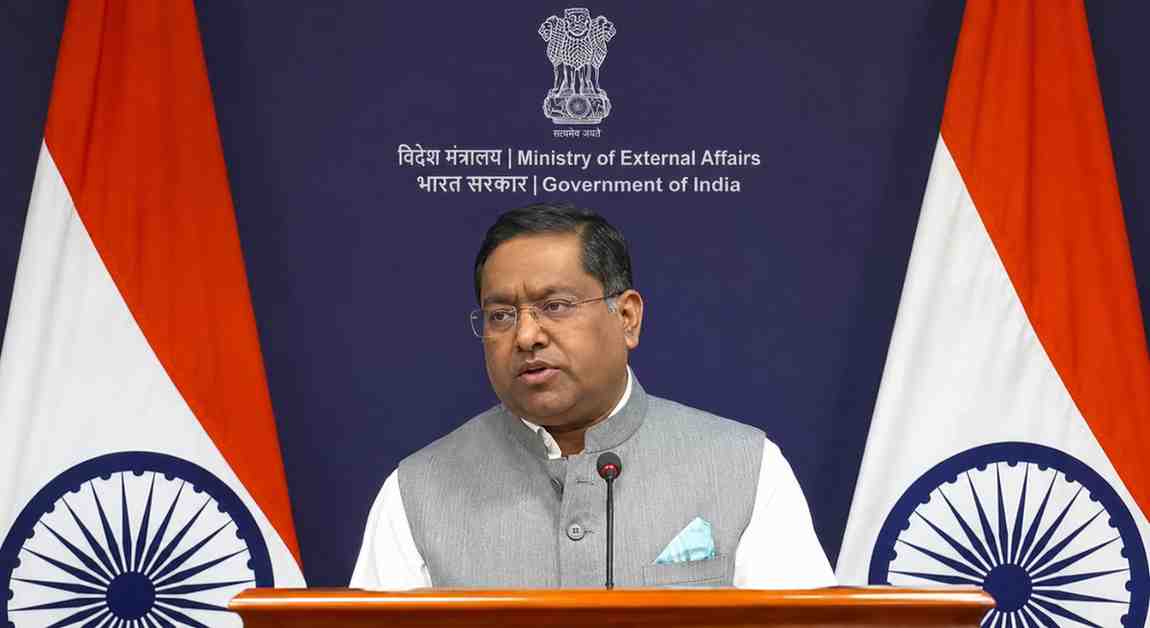
Responding during a media briefing on Friday, MEA spokesperson Randhir Jaiswal dismissed the criticism, stating that the remarks represented only the individual’s personal view and differed considerably from the actual status of the project. He emphasized that both India and Japan continue to work together closely and remain committed to the successful completion of the railway corridor.
Construction Progress Highlighted
The Indian government stressed that the Mumbai-Ahmedabad High-Speed Rail project has achieved significant milestones in recent months. According to the MEA, construction activities have accelerated substantially, with civil engineering works advancing across multiple sections of the corridor.
Authorities pointed out that extensive bridge construction, viaduct development, station work, and track-related infrastructure have progressed steadily. Officials also noted that engineering challenges and land acquisition issues that slowed the project during its initial stages have largely been addressed, allowing construction to move forward at a faster pace.
India-Japan Partnership Remains Strong
The MEA underlined that the high-speed rail project continues to symbolize the strategic partnership between India and Japan. Officials rejected any suggestion of friction between the two countries, saying bilateral engagement remains positive and discussions are continuing smoothly.
India reiterated that both governments remain committed to delivering the landmark infrastructure project, which is expected to transform passenger travel between Mumbai and Ahmedabad through Japanese Shinkansen technology.
The ministry also stressed that regular consultations between the two governments and project authorities continue without disruption, reinforcing the long-standing trust between the two strategic partners.
Landmark Infrastructure Project
The Mumbai-Ahmedabad High-Speed Rail corridor is India’s first bullet train project and represents one of the country’s most ambitious transportation initiatives. Stretching over approximately 500 kilometres, the corridor will connect Mumbai in Maharashtra with Ahmedabad in Gujarat using advanced Japanese high-speed rail technology.
Also Read:
Indian Navy Bolsters Anti-Submarine Warfare With New MH-60R Seahawk
Murshidabad Train Accident: Suvendu Adhikari Vows Strict Action, Railways Offer ₹10 Lakh Ex Gratia
The project has been financed largely through a low-interest loan provided by Japan and is being implemented by the National High Speed Rail Corporation Limited (NHSRCL). Once operational, trains are expected to run at speeds of up to 320 kmph, significantly reducing travel time between the two cities.
Challenges Faced During Execution
The project has encountered several hurdles since construction began. Land acquisition delays, legal disputes, and disruptions caused by the COVID-19 pandemic affected the original construction schedule.
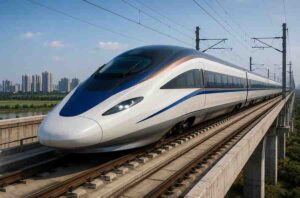
Despite these challenges, authorities say the pace of execution has improved considerably over the past few years. Large sections of the elevated viaduct have already been completed, while work on bridges, tunnels, stations, and depots continues across Gujarat and Maharashtra.
Officials maintain that the project remains a national priority and that engineering work is progressing according to the revised implementation schedule.
Diplomatic Response Seeks to End Speculation
India’s response appears aimed at preventing speculation over the health of India-Japan relations. By clarifying that the criticism came from a former minister and not the Japanese government, New Delhi sought to reassure stakeholders that cooperation between the two countries remains unaffected.
The MEA emphasized that the project continues to receive full support from both governments and that discussions regarding future phases of high-speed rail collaboration are proceeding constructively.
Officials believe the successful completion of the Mumbai-Ahmedabad corridor will strengthen economic ties, enhance technological cooperation, and serve as a model for future high-speed rail projects across India.
Outlook for the Bullet Train Project
With construction gathering momentum, the government remains confident that the Mumbai-Ahmedabad High-Speed Rail corridor will become a milestone in India’s transport infrastructure. The project is expected to introduce world-class rail technology, improve regional connectivity, and boost economic development along the route.
While occasional criticism may arise regarding timelines, the Indian government has reaffirmed that the partnership with Japan remains strong and that work on the country’s first bullet train continues to move forward with sustained commitment from both sides.
Click here to join our WhatsApp Channel for real-time news updates and exclusive coverage.