Prime Minister Narendra Modi on Friday highlighted the remarkable transformation of Indian Railways, stating that nearly 99 percent of the country’s railway network has been electrified over the past 12 years, calling it one of the biggest infrastructure achievements in independent India.
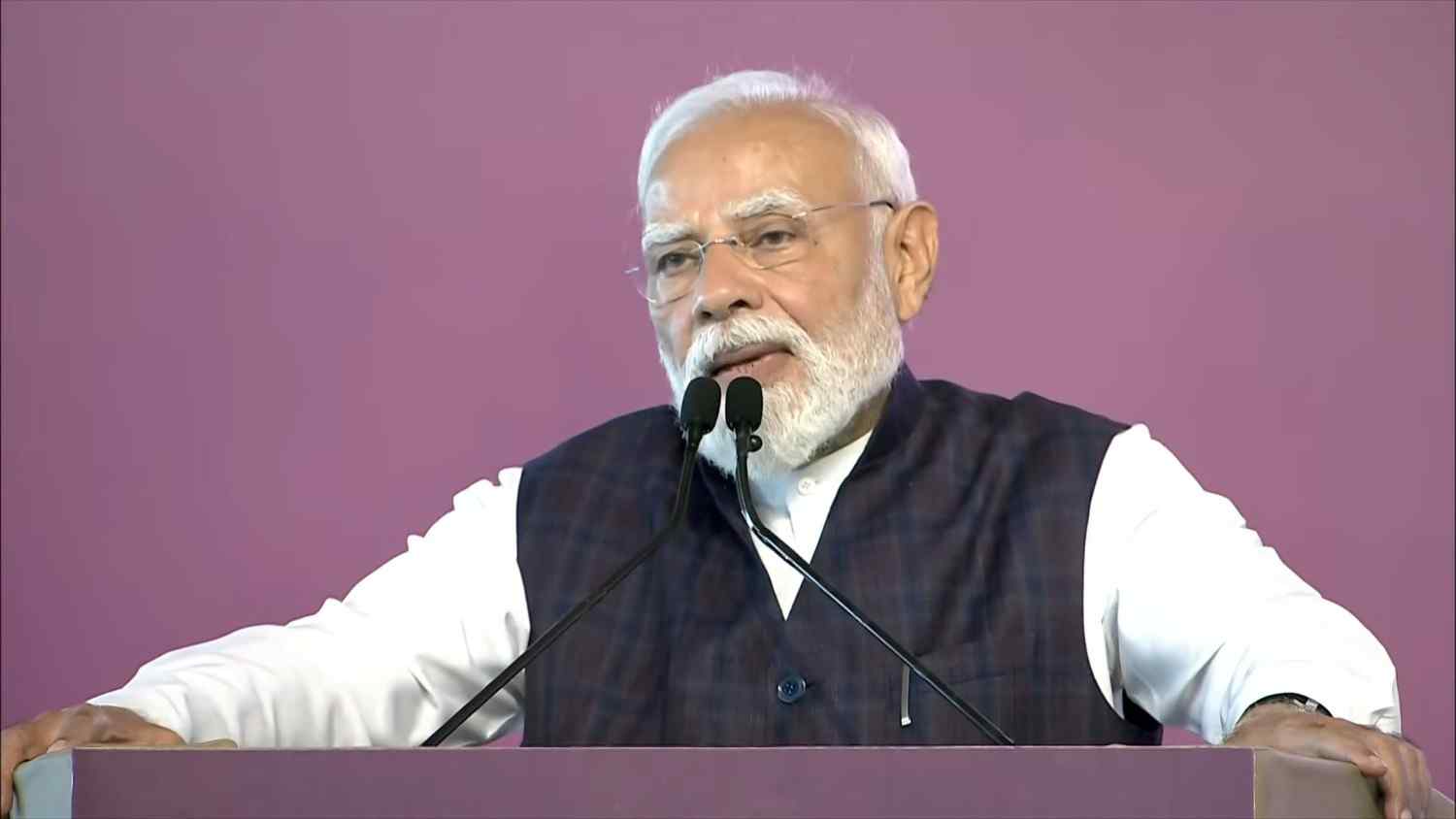
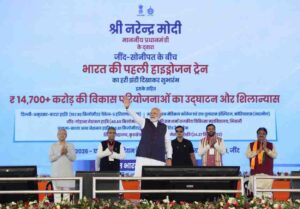
Addressing a public gathering in Jind, Haryana, after inaugurating India’s first hydrogen-powered train and launching development projects worth over ₹14,000 crore, the Prime Minister said railway electrification has made India’s transport network more resilient, efficient, and less vulnerable to global energy disruptions.
According to Modi, the unprecedented pace of electrification has significantly reduced dependence on imported diesel while helping Indian Railways become cleaner and more sustainable.
Railway Electrification Accelerated at Record Pace
During his address, the Prime Minister contrasted the pace of railway electrification before and after 2014.
He noted that railway electrification in India began nearly a century ago, but only around 30 percent of the railway network had been electrified by 2014. The remaining majority of routes continued to depend on diesel locomotives.
Modi said that in the last 12 years, the government accelerated infrastructure development at an unprecedented scale, resulting in almost the entire railway network being electrified.
He added that Haryana has now achieved complete railway electrification, enabling smoother, cleaner and more reliable train operations across the state.
Energy Seclurity During Global Conflicts
The Prime Minister linked railway electrification to India’s energy security, referring to the ongoing instability in West Asia.
He said global conflicts have affected important maritime routes used for transporting crude oil, LPG, diesel and fertilizers. Such disruptions, he explained, could have severely affected India’s transportation system if the rail network had remained heavily dependent on diesel.
According to Modi, widespread electrification has insulated Indian Railways from global fuel supply uncertainties and ensured uninterrupted train services despite international crises.
He remarked that India’s development engine has continued moving because the railway system is no longer overwhelmingly dependent on imported fossil fuels.
Hydrogen Train Marks New Chapter
The Prime Minister also described the launch of India’s first hydrogen-powered train between Jind and Sonipat as a landmark achievement for Indian Railways.
He said hydrogen-powered trains represent the future of clean transportation and place India among a small group of nations developing this emerging technology.
Modi highlighted that the newly launched train is designed with ten coaches and produces approximately 3,200 horsepower, making it one of the most powerful hydrogen trains developed globally.
He also emphasized that the project has been designed by Indian engineers and manufactured by an Indian company under the Make in India initiative.
The hydrogen train emits only water vapour, making it an environmentally friendly alternative to conventional diesel-powered locomotives.
Infrastructure Expansion Around Hydrogen Technology
The Prime Minister said the hydrogen train requires dedicated infrastructure, including fueling and maintenance facilities.
He informed the gathering that the necessary hydrogen-related infrastructure has already been developed in Jind, with additional facilities planned in the coming years.
He said the expansion of hydrogen rail technology would encourage manufacturing, create industrial opportunities and generate employment for young people in Haryana.
The government intends to continue research to improve efficiency, lower operating costs and gradually expand hydrogen train operations across suitable routes.
Development Projects Worth ₹14,000 Crore
Besides railway initiatives, Modi inaugurated and laid the foundation stone for projects worth more than ₹14,000 crore across Haryana.
The projects include railway infrastructure, national highways, healthcare facilities and heritage conservation initiatives.
Among the major healthcare announcements were new medical colleges at Bhiwani and Narnaul, which are expected to strengthen healthcare delivery while creating opportunities for aspiring medical professionals.
Several highway projects, including sections of the Delhi-Amritsar-Katra Expressway, the Jind-Gohana National Highway, and the Ambala-Kala Amb four-lane road, were also dedicated to the nation.
The Prime Minister said improved road connectivity would reduce logistics costs, boost industries, support farmers and improve market access.
Focus on Sports and Youth
Modi also spoke about India’s growing focus on sports infrastructure and athlete development.
He referred to his recent visits to Australia and New Zealand, where discussions were held on expanding sports cooperation, athlete training and sports industry partnerships.
The Prime Minister reiterated India’s preparations to host the 2030 Commonwealth Games and its ambition to organise the 2036 Olympic Games.
He encouraged young athletes, particularly from Haryana, to prepare for international competitions while assuring continued government support through various sports development initiatives.
Cleanliness and Citizen Participation
During his speech, Modi appreciated residents of Jind for participating in a cleanliness campaign ahead of his visit.
He urged citizens to make cleanliness a permanent habit instead of limiting such efforts to special occasions.
The Prime Minister stressed that public participation remains essential for building cleaner cities and stronger communities.
Haryana’s Development Journey
Concluding his address, Modi praised the Haryana government for prioritising infrastructure, agriculture, employment and public welfare.
He said the rapid expansion of railway infrastructure, highways, healthcare facilities and clean transportation projects would strengthen Haryana’s economy and contribute to India’s goal of becoming a developed nation.
The Prime Minister described railway electrification and the launch of India’s first hydrogen train as symbols of a modern, self-reliant India that is embracing sustainable technology while building resilient infrastructure for future generations.
Click here to join our WhatsApp Channel for real-time news updates and exclusive coverage.