Pakistan-occupied Kashmir (PoK) has been gripped by renewed unrest as legislative assembly elections unfolded amid deadly violence, widespread protests and an extensive security crackdown. Instead of bringing political stability, the polling process has intensified tensions across the region, with clashes between protesters and security personnel leaving casualties and raising fresh concerns over the credibility of the electoral exercise.
The elections were conducted under unprecedented security arrangements, with thousands of police, paramilitary personnel and troops deployed at polling stations and sensitive locations. Pakistani authorities maintained that the deployment was essential to ensure peaceful voting and prevent disruptions. However, many residents and opposition groups alleged that the overwhelming security presence created an atmosphere of intimidation rather than confidence.
Violence Overshadows Voting
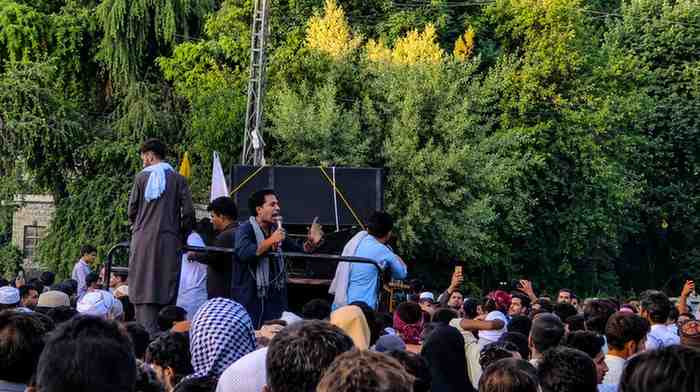
Polling day was marked by violence in several parts of PoK as demonstrations against the elections escalated into confrontations with security forces. Reports indicated that multiple people were killed while several others sustained injuries during the clashes.
Eyewitnesses claimed that security personnel used force to disperse protesters who were demanding greater political rights and questioning the fairness of the electoral process. Protesters accused authorities of suppressing dissent instead of addressing long-standing public grievances. The incidents have intensified anger among sections of the local population and further deepened political divisions.
Authorities defended the security operation, stating that law enforcement agencies acted to restore order after violent disturbances threatened public safety and disrupted polling activities. Officials also alleged that some protesters attempted to interfere with the election process, prompting security intervention.
Boycott Calls Gain Momentum
Several political organizations and activist groups called for a boycott of the elections, arguing that the exercise would not resolve the region’s political challenges. According to these groups, the polls fail to provide meaningful representation or address demands for constitutional reforms and greater autonomy.
Opposition leaders maintained that genuine political dialogue is necessary before credible elections can take place. They argued that conducting polls without addressing core governance issues risks increasing public frustration rather than strengthening democratic institutions.
The boycott campaign resonated in several areas where demonstrations were organized before and during voting. Protesters carried banners, chanted slogans and demanded political reforms while criticizing the existing administrative framework governing the region.
Heavy Security Across the Region
Security arrangements remained one of the defining features of the elections. Authorities established checkpoints, increased patrols and deployed additional forces in urban centers and sensitive districts to prevent violence.
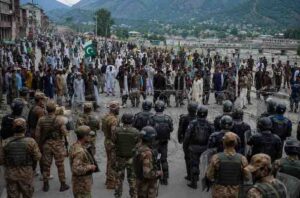
Officials stated that these measures were designed to ensure that eligible voters could cast their ballots without fear. However, critics argued that the large-scale deployment restricted normal public movement and discouraged voter participation in some locations.
Residents also reported heightened surveillance and increased security checks throughout the election period. While the administration described these actions as precautionary, opposition voices viewed them as evidence of an increasingly restrictive environment.
Growing Human Rights Concerns
The violence surrounding the elections has drawn concern from human rights observers and international organizations. Allegations of excessive use of force, restrictions on public gatherings and limitations on media access have prompted calls for impartial investigations into the incidents.
Rights groups have urged Pakistani authorities to ensure accountability for any violations committed during the security operation and to protect the rights of civilians, journalists and peaceful protesters.
Read Also: Trump Warns Iran Of Strong Retaliation After Missile Strikes On US Bases In Jordan
Observers have also emphasized the importance of allowing independent monitoring of developments in the region to establish a transparent account of the events that unfolded during the elections.
India Reiterates Its Position
India strongly rejected the elections conducted in Pakistan-occupied Kashmir, reiterating its long-standing position that the entire region of Jammu and Kashmir, including areas under Pakistan’s control, is an integral part of India.
New Delhi stated that such electoral exercises cannot alter India’s consistent legal and constitutional position regarding the territory. Indian officials described the polls as an attempt to create political legitimacy in a region that remains under Pakistan’s occupation.
The issue continues to remain a major point of disagreement between India and Pakistan, with both countries maintaining sharply different positions on the status of the territory.
Political Uncertainty Deepens
Political analysts believe the latest unrest reflects broader dissatisfaction among sections of the population over governance, economic conditions and political representation. They argue that while elections are intended to strengthen democratic processes, unresolved structural issues continue to fuel instability in the region.
Experts also note that repeated episodes of unrest have highlighted the need for greater political engagement and confidence-building measures. Without addressing underlying grievances, they warn that tensions could continue even after the election process concludes.
The combination of violence, security operations and allegations of political suppression has once again placed Pakistan-occupied Kashmir at the center of regional attention.
Future Remains Uncertain
As the election process moves forward, uncertainty continues to surround the political future of Pakistan-occupied Kashmir. While authorities insist that the polls represent a democratic exercise, critics maintain that meaningful reforms and open political dialogue are necessary to restore public trust.
The deadly clashes and security crackdown have transformed what was expected to be an electoral event into a significant political crisis. With tensions remaining high and competing narratives emerging from all sides, developments in PoK are likely to remain under close regional and international scrutiny in the coming weeks.
Click here to join our WhatsApp Channel for real-time news updates and exclusive coverage.