NEW DELHI: The Trinamool Congress (TMC) is facing one of the most significant internal challenges in its political journey after a group of rebel Members of Parliament claimed that 20 of the party’s 28 Lok Sabha MPs have decided to support the BJP-led National Democratic Alliance (NDA). The development has intensified speculation about a major split within the party and raised questions about its future strength in Parliament.
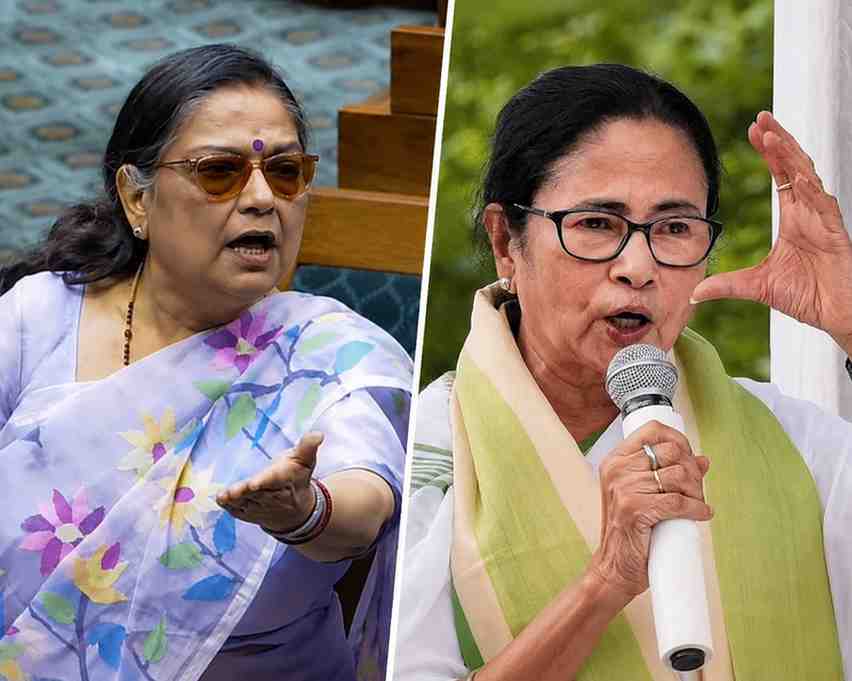
According to reports, senior TMC leader and four-time MP Kakoli Ghosh Dastidar submitted a letter to Lok Sabha Speaker Om Birla on behalf of the dissident lawmakers, seeking recognition as a separate parliamentary bloc. The rebel camp has maintained that while it intends to support the NDA, it is not formally joining the Bharatiya Janata Party (BJP).
The move comes amid a broader crisis within the TMC following recent political setbacks in West Bengal. The rebel lawmakers argue that aligning with the NDA would help secure development benefits for the state and better reflect the political realities that have emerged after recent electoral changes.
The numbers involved are particularly significant. Under the anti-defection law, support from at least two-thirds of a party’s parliamentary members can help a breakaway faction avoid disqualification. With TMC currently holding 28 Lok Sabha seats, a group of 19 or more MPs would cross that threshold. Rebel leaders claim that 20 MPs have backed the move, though some party loyalists have questioned whether that level of support actually exists.
The dissident faction reportedly met senior NDA leaders in New Delhi, including Union Minister Bhupender Yadav, while also engaging with other political figures linked to the ruling alliance. These meetings have fuelled speculation that a formal realignment could be underway despite public assertions that the MPs are not seeking BJP membership.
The rebellion has drawn a sharp response from TMC loyalists. Party MP Mahua Moitra launched a strong attack on the rebel camp, describing the lawmakers as “self-serving traitors” and accusing them of betraying the party leadership and its supporters. Other senior TMC figures have also used similar language, alleging that the rebels are attempting to weaken the organisation at a crucial moment.
The crisis is viewed as unprecedented for the party founded by Mamata Banerjee. While TMC has witnessed defections in the past, political observers note that it has never faced a challenge of this magnitude within its parliamentary wing. If the rebel faction succeeds in securing official recognition, it could potentially alter parliamentary equations and weaken TMC’s influence as a key opposition force at the national level.
The implications could extend beyond Parliament. Analysts believe that a recognised split may trigger a prolonged legal and political battle over the party’s identity, organisational structure and future direction. The dispute also comes amid wider unrest within the party, with reports of growing dissent among legislators and organisational leaders in West Bengal.
For now, the political spotlight remains firmly on New Delhi, where the Speaker’s response to the rebels’ communication and the evolving positions of both camps are expected to determine the next phase of the crisis. As tensions rise, the TMC leadership faces the challenge of containing a rebellion that threatens to reshape both the party and the broader opposition landscape in Indian politics.