A powerful earthquake measuring 6.3 on the Richter scale struck New Zealand’s South Island on Thursday, prompting authorities to issue an immediate tsunami warning for parts of the country’s coastline. The tremor was centred near the town of Te Anau, a popular gateway to the scenic Fiordland region, and was felt across several parts of the South Island, raising concerns over possible coastal hazards and aftershocks.
Earthquake Felt Across Southern Regions
According to New Zealand emergency authorities, the earthquake occurred approximately 40 kilometres north of Te Anau. The shaking was reported by thousands of residents across Southland, Otago and Canterbury, with many describing it as one of the strongest tremors experienced in recent years. While there were no immediate reports of fatalities or major structural damage, officials quickly activated emergency response protocols as a precaution.
Tsunami Warning Issued for Coastal Areas
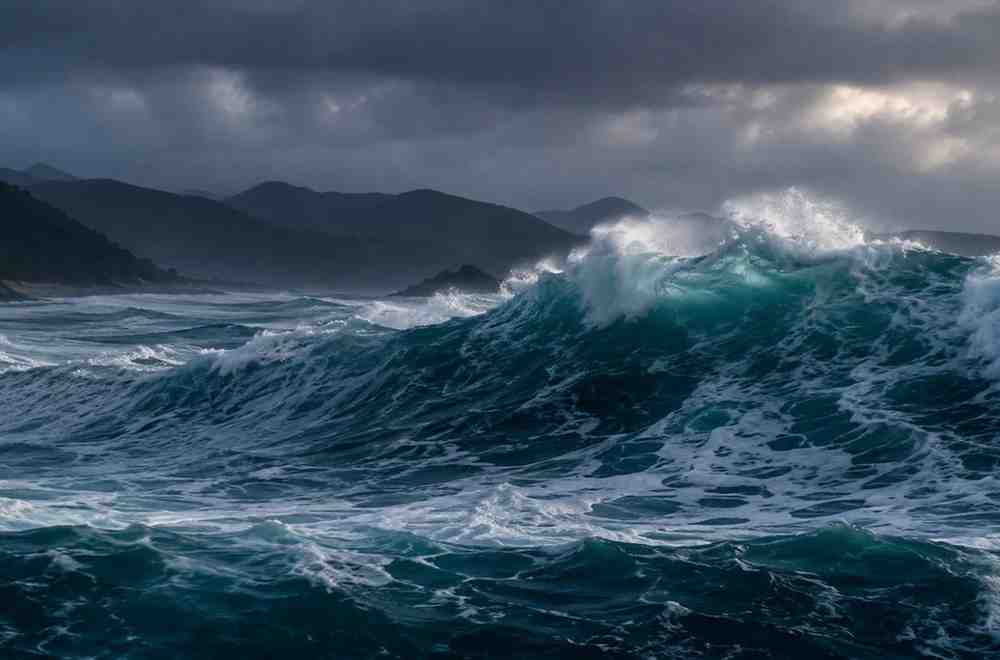
The National Emergency Management Agency (NEMA) initially issued a tsunami warning for parts of the South Island’s west coast. Authorities warned that strong and unusual ocean currents, along with unpredictable coastal surges, could pose serious risks to people near beaches, harbours, rivers and marinas. Residents and visitors were advised to stay away from the shoreline and avoid entering the water until further updates were released.
Authorities Warn of Dangerous Sea Conditions
Emergency officials stressed that the warning did not necessarily indicate widespread flooding but highlighted the danger posed by rapidly changing sea conditions. Even relatively small tsunami waves can generate powerful currents capable of sweeping people into the sea or damaging boats and coastal infrastructure. The advisory encouraged people living in vulnerable coastal zones to follow instructions issued by local authorities without delay.
New Zealand’s High Seismic Risk

The earthquake struck in one of New Zealand’s most seismically active regions. The country lies along the Pacific Ring of Fire, an area where the Pacific and Indo-Australian tectonic plates interact, making earthquakes and volcanic activity common. As a result, New Zealand maintains one of the world’s most advanced earthquake monitoring and emergency response systems.
Fiordland Region Faces Safety Checks
The Fiordland region, close to the quake’s epicentre, is internationally renowned for its dramatic landscapes, including Milford Sound, and attracts hundreds of thousands of tourists every year. Authorities advised travellers to remain cautious, particularly while driving through mountainous roads where landslides or falling rocks could occur following strong seismic activity. Infrastructure inspections were also initiated to ensure bridges, highways and public facilities remained safe.
Aftershocks Keep Residents on Alert
Several aftershocks were reported in the hours following the main earthquake, although none immediately appeared to match its strength. Seismologists noted that aftershocks are a normal consequence of significant earthquakes and can continue for days or even weeks. Officials urged residents to remain prepared for additional shaking and to secure emergency supplies if necessary.
Emergency Teams Monitor Coastline
Local emergency services monitored the coastline closely while marine experts assessed the likelihood of dangerous waves. Authorities emphasised that tsunami threats can evolve rapidly and urged the public to rely only on official updates instead of rumours circulating on social media. They reminded residents that even after a warning is downgraded, hazardous sea conditions may persist for several hours or longer.
Reminder of New Zealand’s Earthquake History
New Zealand has experienced several major earthquakes in its history, including the devastating Christchurch earthquake of 2011, which claimed 185 lives and caused extensive damage. Although Thursday’s earthquake occurred in a less densely populated area, the event served as another reminder of the country’s ongoing seismic vulnerability and the importance of disaster preparedness.
Rescue Teams Remain on Standby
As emergency assessments continued, authorities said there was no immediate indication of widespread destruction or mass casualties. Search and rescue teams remained on standby while engineers inspected public infrastructure and utility services. Officials also urged residents to check on elderly neighbours, follow official safety instructions and report any damage to emergency services.
Tsunami Warning Downgraded
By later in the day, the initial tsunami warning was downgraded to a coastal advisory in several areas after further assessments indicated that widespread inundation was unlikely. However, emergency officials reiterated that dangerous currents could continue to affect coastal waters, urging people to stay away from beaches and harbours until the advisory is fully lifted.
Preparedness Remains Crucial
The earthquake once again highlighted the importance of preparedness in earthquake-prone regions. Authorities continue to monitor seismic activity closely and have advised residents to remain vigilant, keep emergency kits ready and stay informed through official government channels as aftershocks remain possible in the coming days.
Click here to join our WhatsApp Channel for real-time news updates and exclusive coverage.