
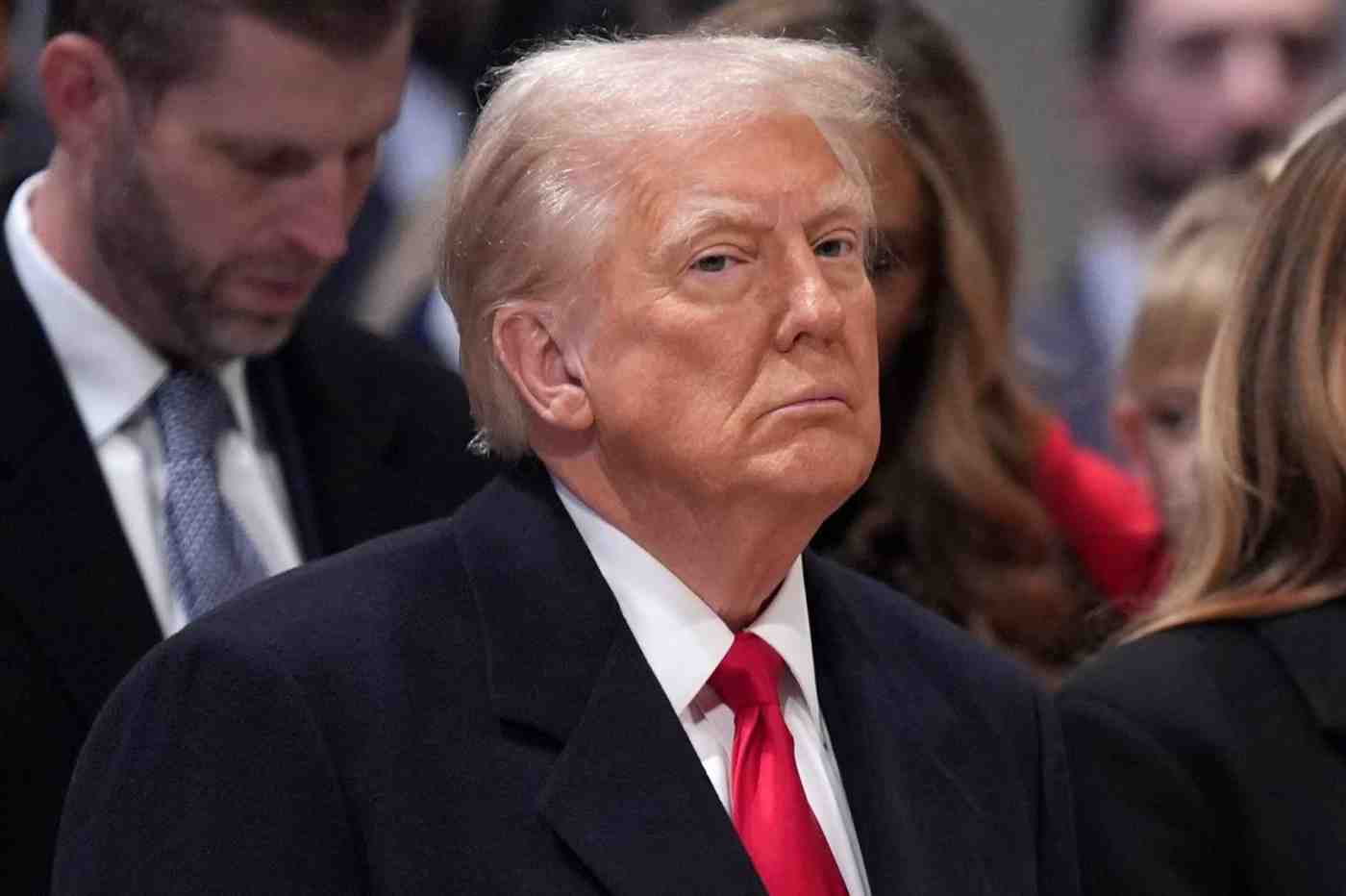
The fragile diplomatic thaw between the United States and Iran has encountered fresh turbulence after U.S. President Donald Trump issued a stern warning to Tehran amid disagreements surrounding nuclear inspections and the future management of the strategically crucial Strait of Hormuz.
The remarks came as both nations continue negotiations aimed at reducing tensions that have escalated over recent months. Despite signs of progress during talks held in Switzerland, conflicting statements from Washington and Tehran have exposed significant differences over the implementation of any potential agreement.
Trump Delivers Strong Message
Speaking at the White House, Trump said the United States would not hesitate to act if Iran failed to fulfil its commitments.
According to reports, Trump stated that if Iran does not live up to an agreement or behaves in a manner contrary to the understanding reached between the two sides, Washington would take whatever action it considers necessary. He also dismissed concerns that tougher measures against Iran could destabilise the global economy.
The warning underscores the fragile nature of ongoing negotiations and highlights Washington’s intention to maintain pressure while pursuing diplomacy.
Switzerland Talks Show Progress But Differences Remain
Senior officials from both countries recently met in Switzerland to discuss a broad framework covering Iran’s nuclear activities, regional security concerns and maritime trade routes.
The discussions reportedly lasted nearly 18 hours and were facilitated by international partners seeking to prevent another regional escalation. U.S. officials projected optimism, suggesting meaningful progress had been made on nuclear monitoring and economic cooperation.
However, Iranian authorities pushed back against some American claims, particularly regarding the extent of commitments made on international nuclear inspections.
Tehran insisted that any cooperation with global nuclear watchdogs would continue strictly within its existing legal obligations rather than under any new arrangement imposed by Washington.
Nuclear Inspection Issue Becomes Main Sticking Point
One of the biggest points of contention revolves around access for international inspectors.
U.S. Vice President JD Vance indicated that Iran had agreed to allow inspectors from the International Atomic Energy Agency to return. The move was described as a significant confidence-building measure after a period of restricted access.
However, Iranian media and officials have publicly challenged those assertions, creating uncertainty about what exactly was agreed upon during the Swiss negotiations.
Analysts believe that the verification mechanism will determine whether negotiations can evolve into a lasting agreement or collapse under mutual distrust.
Strait of Hormuz Remains a Major Concern
The Strait of Hormuz, through which a significant portion of global oil shipments passes every day, has also emerged as a central issue in the negotiations.
Recent tensions in the region had disrupted maritime trade and sparked fears of energy market instability. The United States has been pushing for guarantees that international shipping routes remain open and secure.
Iran, meanwhile, has indicated that future operations in the strategic waterway may not return to previous arrangements and that Tehran intends to play a more direct administrative role.
The situation has alarmed global markets because nearly one-fifth of the world’s oil trade passes through the narrow channel connecting the Persian Gulf with international waters. Any disruption there can rapidly affect global fuel prices.
Temporary Sanctions Relief Introduced
In a significant development, the United States recently issued a temporary 60-day licence easing certain sanctions related to Iranian oil exports.
The decision allows limited transactions involving Iranian petroleum products and associated financial services as negotiations continue. The move was presented as an incentive designed to encourage further cooperation from Tehran.
The temporary relief also reflects a broader attempt by Washington to balance economic incentives with diplomatic pressure.
Regional Stability Still Uncertain
Despite the progress, experts warn that the situation remains highly delicate.
Multiple regional flashpoints, including Lebanon, the Strait of Hormuz and unresolved nuclear concerns, continue to threaten long-term stability. Political observers believe even minor misunderstandings could derail ongoing diplomatic efforts.
Both governments are expected to continue technical-level discussions in the coming weeks while senior officials evaluate whether a more comprehensive agreement is achievable.
For now, Trump’s latest warning serves as a reminder that while diplomacy remains active, the possibility of renewed confrontation has not disappeared.