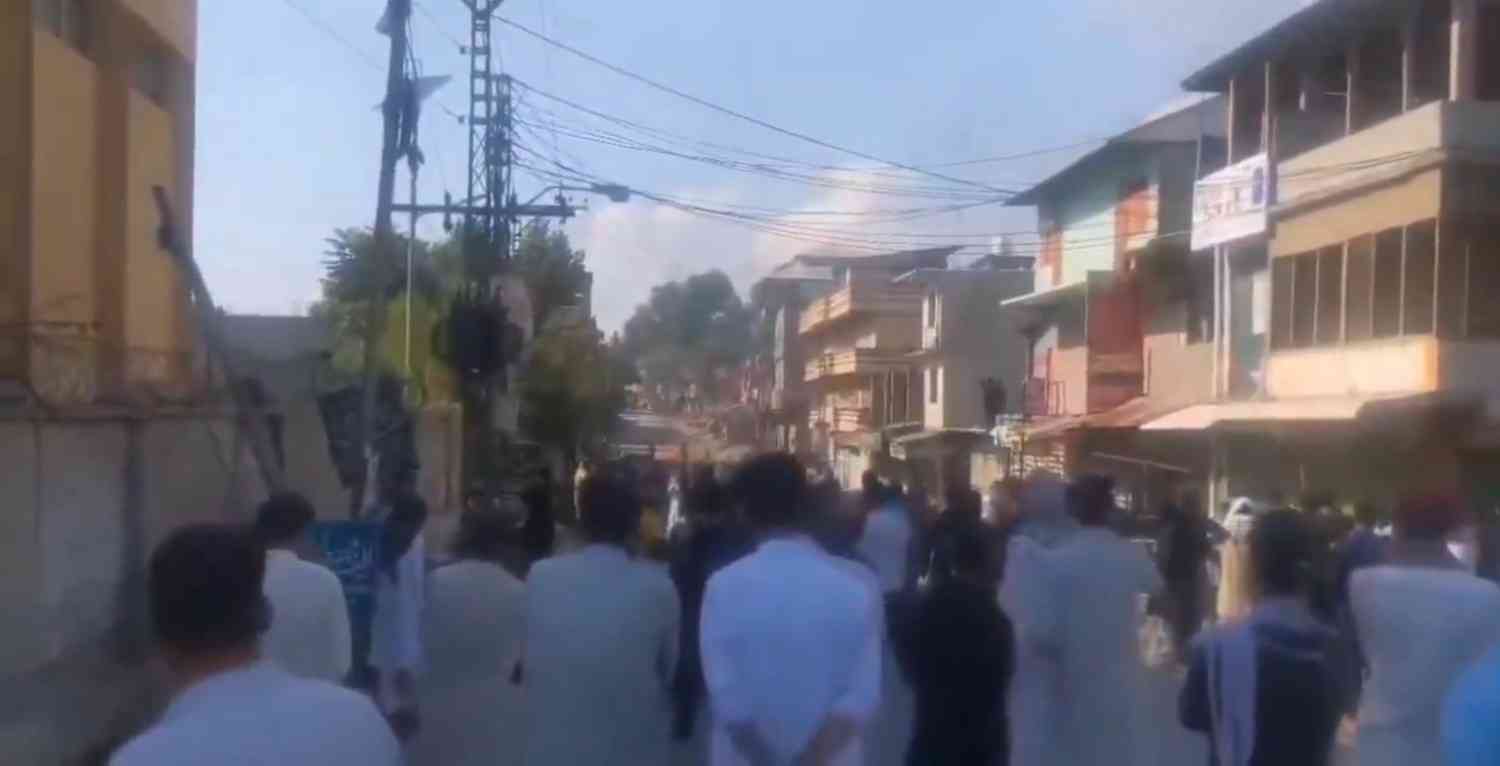
Pakistan-occupied Kashmir (PoK) witnessed one of its deadliest episodes of unrest in recent months as violent clashes between protesters and security forces left at least 11 people dead and more than 70 others injured. The violence erupted ahead of a planned protest rally and has intensified concerns over political instability and public discontent in the region.
According to officials, the confrontation broke out after supporters of the Joint Awami Action Committee (JAAC), a group that has been declared illegal by authorities, gathered in large numbers to protest a recent court ruling concerning legislative representation. The demonstrators opposed the continuation of reserved assembly seats for refugees from Jammu and Kashmir living in Pakistan, arguing that the arrangement gives disproportionate political influence to people residing outside the territory.
The situation quickly spiraled into violence as protesters and security personnel clashed in several areas, particularly around Rawalakot. Authorities reported that the unrest resulted in multiple fatalities, including members of the security forces, while dozens of civilians and police personnel sustained injuries. Hospitals in the affected areas received a large number of wounded individuals as emergency services struggled to cope with the sudden influx of casualties.
Officials alleged that some protesters attacked public property, set vehicles on fire, and attempted to disrupt government operations. Security agencies claimed that armed individuals within the crowd opened fire on law enforcement personnel, forcing police and security forces to respond. Protest organizers, however, accused authorities of using excessive force to suppress dissent and silence voices demanding greater political rights.
The immediate trigger for the protests was a ruling by the Supreme Court in Pakistan-administered Kashmir, which upheld constitutional protections for 12 legislative seats reserved for Kashmiri refugees residing in Pakistan. Activists opposing the arrangement argue that the seats undermine the principle of local representation and dilute the political influence of residents living within the territory itself.
The JAAC has for years campaigned for expanded political rights, administrative reforms, and changes to the electoral structure in the region. While previous negotiations between authorities and protest leaders reportedly resolved several economic and governance-related demands, constitutional issues surrounding representation remained unresolved, fueling fresh tensions.
The latest violence has also raised concerns about security ahead of upcoming political processes in the region. Observers warn that prolonged unrest could deepen divisions and complicate efforts to maintain stability. Authorities have launched investigations into the clashes and announced legal action against those accused of involvement in attacks on security personnel and public property.
The Kashmir region remains a sensitive and disputed territory claimed by both India and Pakistan. Political unrest, protests, and confrontations between demonstrators and security forces have periodically occurred on both sides of the Line of Control, often reflecting broader grievances related to governance, representation, and civil rights.
As tensions continue, local residents fear further violence and disruption. Calls for restraint have grown louder, with rights groups and political observers urging all sides to avoid escalation and pursue dialogue. For now, security remains heightened across several parts of PoK as authorities monitor the situation and attempt to prevent additional unrest.