
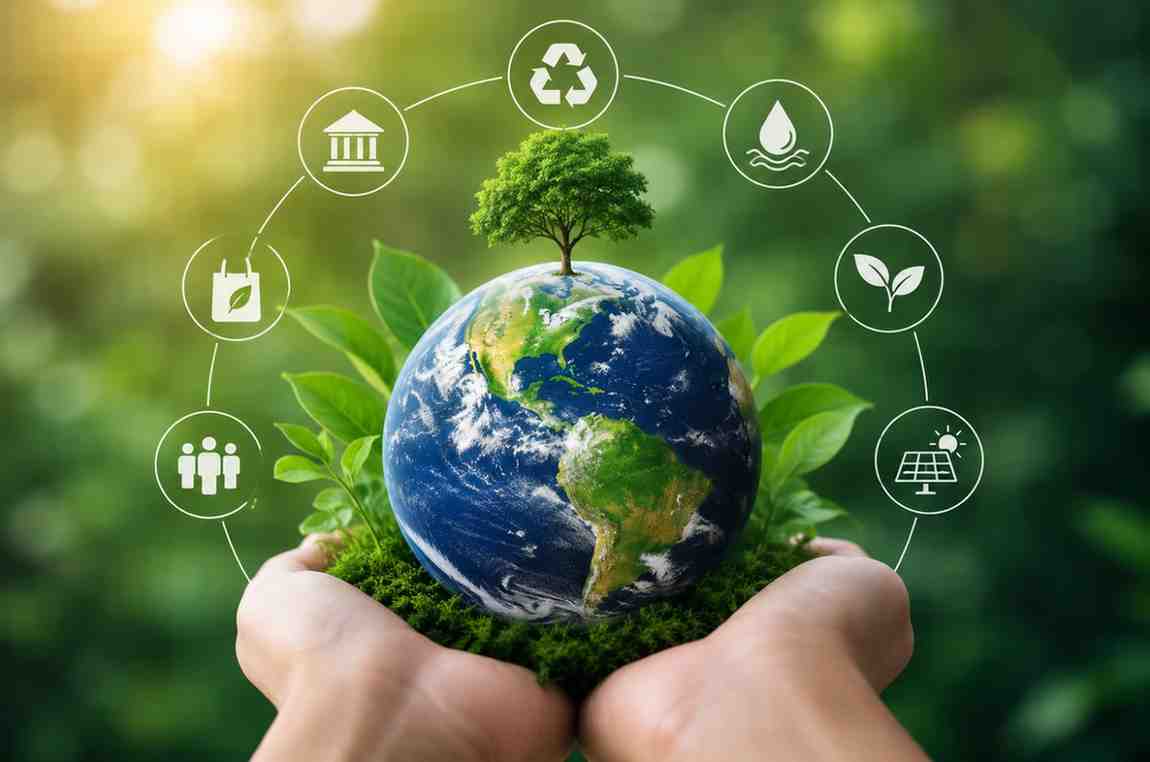
NEW DELHI: World Environment Day 2026 was observed across the globe on June 5 with renewed urgency to address climate change and environmental degradation. This year’s observance comes at a crucial time when nations are grappling with rising temperatures, extreme weather events, biodiversity loss, and growing ecological challenges. The United Nations Environment Programme (UNEP) has dedicated World Environment Day 2026 to climate action, encouraging governments, businesses, and citizens to adopt nature-based solutions and sustainable practices.
India marked the occasion by highlighting its ongoing environmental initiatives and reaffirming its commitment to sustainable development. Over the past decade, the country has launched several flagship programmes aimed at reducing pollution, increasing forest cover, promoting renewable energy, conserving biodiversity, and encouraging environmentally responsible lifestyles. Government officials emphasized that environmental protection and economic growth must go hand in hand to ensure long-term prosperity.
World Environment Day, observed annually since 1973, has evolved into one of the largest global platforms for environmental awareness and public action. It mobilizes millions of people across more than 150 countries and serves as a reminder of the collective responsibility to safeguard the planet for future generations.
India’s environmental efforts have increasingly focused on combining policy reforms with public participation. The country’s Mission LiFE (Lifestyle for Environment) initiative continues to encourage citizens to adopt sustainable habits in daily life, ranging from energy conservation and waste reduction to water management and responsible consumption. The programme seeks to transform individual actions into a mass movement for environmental protection.
The government has also strengthened policies related to waste management and pollution control. Measures such as Extended Producer Responsibility (EPR), stricter plastic waste regulations, and efforts to promote recycling have been implemented to reduce the environmental burden caused by plastic pollution. These initiatives complement broader goals of achieving cleaner cities, healthier ecosystems, and sustainable economic development.
Biodiversity conservation remains another major pillar of India’s environmental agenda. Recent initiatives have focused on habitat restoration, wildlife protection, and community participation in conservation efforts. Programmes aimed at restoring degraded ecosystems, protecting endangered species, and encouraging local stewardship of natural resources have gained momentum across several states.
Climate resilience has also emerged as a central theme in India’s environmental strategy. With the country experiencing increasingly frequent heatwaves, floods, cyclones, and droughts, policymakers are emphasizing adaptation measures alongside emissions reduction. Investments in renewable energy, green infrastructure, climate-resilient agriculture, and disaster preparedness are being expanded to address the growing impacts of climate change.
According to global environmental agencies, the world is facing an unprecedented climate challenge. Scientists continue to warn that without rapid action, environmental degradation could have severe consequences for economies, food security, water resources, and public health. The 2026 World Environment Day campaign therefore stresses the importance of learning from nature and strengthening natural ecosystems as a means of enhancing climate resilience.
India’s renewable energy transition has been widely recognized as one of the country’s key contributions to global climate efforts. Significant progress has been made in expanding solar and wind power capacity, reducing dependence on fossil fuels, and promoting clean energy technologies. These efforts align with the country’s broader commitment to achieving sustainable growth while contributing to international climate goals.
Environmental experts note that public participation remains essential to achieving meaningful results. Tree plantation drives, water conservation campaigns, waste segregation initiatives, and community-led biodiversity projects have demonstrated that local action can create substantial environmental benefits when supported by effective policies.
As the world commemorates World Environment Day 2026, the message is clear: environmental protection can no longer be viewed as a separate agenda but must be integrated into every aspect of development. For India, the occasion serves as both a celebration of progress and a reminder of the work that remains ahead.
With climate change increasingly shaping the future of societies and economies, India’s focus on sustainable lifestyles, biodiversity conservation, renewable energy, and community participation reflects a long-term vision for ecological security. The country’s continued efforts, combined with global cooperation, will play a crucial role in building a greener, cleaner, and more resilient future for generations to come.