India’s ongoing scrutiny of social media platforms intensified after Meta CEO Mark Zuckerberg reportedly issued an apology to the Indian government over a series of content moderation lapses, including the temporary restriction of a Prime Minister Narendra Modi video and concerns surrounding deepfake content. The development comes amid increasing pressure on global technology companies to comply with India’s stricter digital safety and accountability standards.
Apology Sent Following Government Concerns
According to reports, the apology was conveyed through Meta’s Chief Global Affairs Officer Joel Kaplan during a meeting with Union Electronics and Information Technology Minister Ashwini Vaishnaw. Sources indicated that the communication acknowledged operational shortcomings and expressed regret over the platform’s handling of certain content involving Prime Minister Narendra Modi.
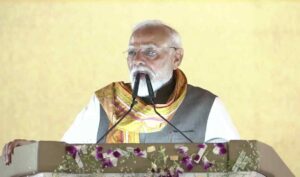
The reported apology follows heightened engagement between the Indian government and Meta after a Facebook reel featuring the Prime Minister was briefly restricted. The temporary action triggered concerns in New Delhi, prompting officials to seek an explanation from the company over the moderation decision.
PM Modi Reel Incident Drew Attention
The controversy gained momentum after a social media post featuring PM Modi was reportedly taken down or restricted for a short period before being restored. Meta later described the incident as an operational error rather than a deliberate moderation decision.
Government officials viewed the incident seriously, especially given the importance of ensuring that official communications from elected leaders are not wrongly limited due to platform mistakes. The company has since assured authorities that corrective measures are being implemented to reduce the likelihood of similar incidents in the future.
Deepfake Content Also Under Scrutiny
Apart from the video restriction issue, Indian authorities have reportedly raised concerns over the spread of AI-generated deepfake content across Meta platforms. Officials are said to have emphasized that manipulated videos and misleading digital content pose significant risks to public trust, elections, and social harmony.
The government has been pushing technology companies to strengthen their detection systems and improve the speed of removing harmful content. Deepfakes have emerged as one of the biggest challenges for online platforms worldwide due to rapid advances in artificial intelligence.
India Tightens Digital Platform Accountability
The latest developments come against the backdrop of India’s increasingly strict regulatory approach toward digital intermediaries. Authorities have repeatedly warned social media companies that they must respond promptly to lawful requests and ensure compliance with Indian regulations.
Also Read: Iran-Oman Hormuz Deal Raises Global Stakes Amid Fresh Warning To US
Officials have indicated that platforms failing to meet legal obligations could face consequences under the country’s digital governance framework. These measures are intended to improve user safety, curb misinformation, and enhance accountability among major technology companies operating in India.
Meta Reaffirms Commitment
Meta has maintained that it has a zero-tolerance approach toward harmful and illegal content. The company has stated that it continues investing in advanced moderation technologies and artificial intelligence systems designed to detect policy violations more efficiently.
The reported apology also reflects Meta’s effort to maintain constructive engagement with Indian authorities, one of its largest global markets with hundreds of millions of Facebook, Instagram, and WhatsApp users. The company has said it remains committed to improving operational processes and preventing similar incidents from recurring.
Growing Focus on AI and Platform Responsibility
The episode highlights the growing challenge facing technology companies as artificial intelligence transforms online communication. Governments around the world are demanding greater transparency in content moderation while also expecting platforms to respond swiftly to emerging threats such as deepfakes and synthetic media.
For India, which has witnessed rapid digital growth, the balance between protecting free expression and preventing harmful misinformation has become a key policy priority. Recent regulatory initiatives indicate that authorities intend to hold global digital platforms to higher standards of responsibility.
Industry experts believe incidents involving high-profile public figures often become important tests of platform governance, particularly as AI-generated content becomes more sophisticated. The outcome of the latest engagement between India and Meta may influence future discussions on digital regulation, platform accountability, and responsible AI deployment.
Click here to join our WhatsApp Channel for real-time news updates and exclusive coverage.