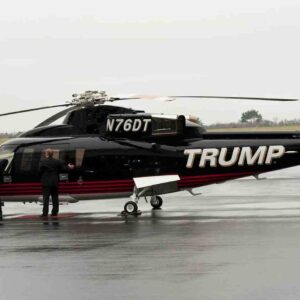
The US Federal Aviation Administration (FAA) has launched an investigation after Marine One, the military helicopter transporting President Donald Trump, experienced a brief loss of required separation from a commercial passenger aircraft near Ronald Reagan Washington National Airport in Washington, D.C.
The incident occurred shortly after Marine One departed from the White House en route to Joint Base Andrews. According to preliminary information released by aviation authorities, the helicopter and a commercial passenger jet came closer than the minimum safety standards permit. However, officials stressed that there was no immediate danger of a collision and both aircraft completed their flights safely.
Passenger Flight Took Off During Presidential Movement
Initial findings indicate that the commercial aircraft departed from Ronald Reagan Washington National Airport while Marine One was operating in nearby airspace. Under aviation procedures introduced after the deadly 2025 mid-air collision near Washington, commercial takeoffs and landings are generally paused when the presidential helicopter is flying through conflicting airspace.
Investigators are examining why the commercial aircraft was allowed to depart despite these established safety protocols. Reports suggest the incident involved an Envoy Air regional jet carrying passengers, while another nearby flight was also instructed to alter its route as a precaution.
FAA Reviews Possible Air Traffic Control Lapse
The FAA confirmed that the event involved a temporary “loss of separation,” meaning the required minimum distance between two aircraft was not maintained.
Current regulations require aircraft near the airport to remain at least 1.5 miles apart horizontally or 500 feet vertically in situations involving presidential helicopter operations. Officials emphasized that although these limits were briefly breached, the aircraft were not on a direct collision course.
The agency has formed a Safety Review Team to determine exactly what happened and whether additional operational changes are necessary.
White House Says President Was Never in Danger
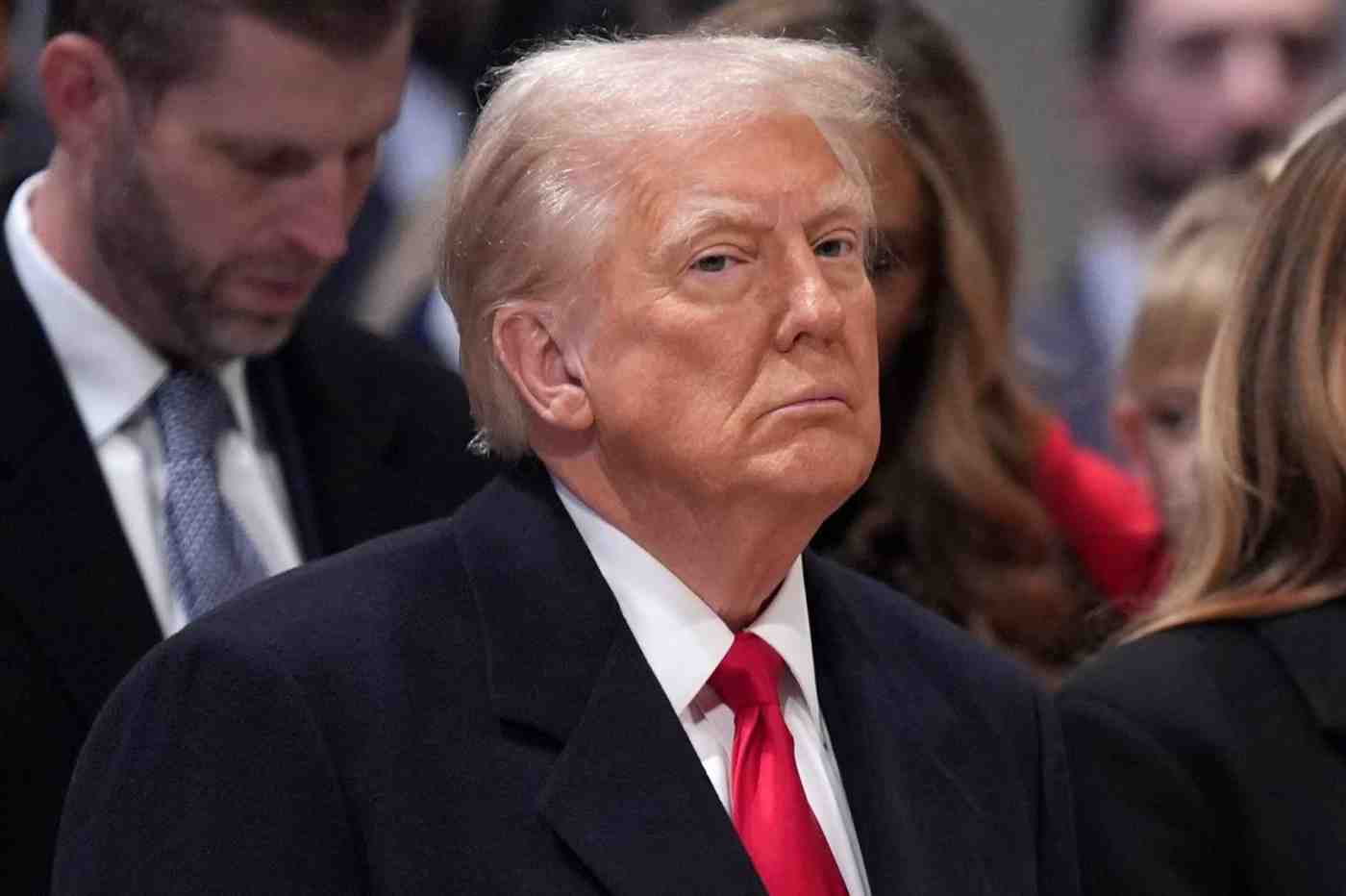
The White House sought to reassure the public following reports of the incident, stating that President Donald Trump was never at risk during the flight.
Military officials also indicated that Marine One’s crew followed standard procedures and maintained communication throughout the operation. Both the helicopter and the passenger aircraft landed safely without any injuries or damage being reported.
Incident Revives Concerns After 2025 Air Disaster
The latest safety incident has renewed attention on aviation safety around Ronald Reagan Washington National Airport.
In January 2025, a catastrophic mid-air collision involving a passenger aircraft and a military helicopter near the airport claimed 67 lives. Following that tragedy, the FAA introduced stricter helicopter restrictions, mandatory separation standards, and revised air traffic management procedures to reduce the risk of similar incidents.
Also Read: “We Regret Error”: Meta On PM Modi Video Controversy
Despite those reforms, the latest event has raised fresh questions about whether the updated procedures were properly followed.
Communication Under Scrutiny
Investigators are expected to closely examine communications between air traffic controllers, Marine One pilots and the commercial flight crew.
Early reports suggest possible coordination issues may have contributed to the loss of required separation. Aviation experts say even when there is no immediate collision risk, any breach of established safety margins involving presidential aircraft is treated with the highest level of seriousness.
The National Transportation Safety Board (NTSB) is also participating in the investigation alongside the FAA to determine whether procedural failures or communication errors played a role.
Findings Could Lead to New Safety Measures
The FAA has not announced any disciplinary action or operational changes while the investigation remains underway.
Officials will analyze radar data, air traffic control recordings and flight communications before releasing their final conclusions. Depending on the findings, the agency could recommend further tightening of helicopter operations around Washington’s busy airspace or additional safeguards for presidential flights.
The investigation comes at a time when aviation safety remains under intense public scrutiny following recent high-profile incidents involving US airspace management. Authorities have reiterated that protecting passengers and ensuring safe separation between all aircraft remains their highest priority.
Click here to join our WhatsApp Channel for real-time news updates and exclusive coverage.