

Vande Mataram has received a major legal boost after President Droupadi Murmu gave her assent to the Prevention of Insults to National Honour (Amendment) Bill, 2026. The new law extends statutory legal protection to Vande Mataram on par with the national anthem, marking a significant milestone in the recognition and protection of India’s national song.
The move marks a major change in the legal framework governing respect for India’s national symbols. The amended law brings deliberate disruption or prevention of the singing of Vande Mataram within the scope of punishable offences, similar to the existing provisions concerning the national anthem, Jana Gana Mana.
President Murmu Gives Assent to Landmark Bill
President Murmu approved the legislation on Tuesday, completing the parliamentary process for the amendment. Parliament had passed the Prevention of Insults to National Honour (Amendment) Bill, 2026, last month.
The amendment modifies the Prevention of Insults to National Honour Act, 1971. Its central objective is to extend specific statutory safeguards to Vande Mataram, which has long held a prominent place in India’s national and cultural history.
Under the amended provisions, intentionally preventing the singing of Vande Mataram or deliberately disrupting an assembly engaged in singing the national song can attract legal action.
The offences can result in imprisonment of up to three years, a fine, or both. The existing framework also provides for a minimum one-year imprisonment in cases involving a second or subsequent conviction.
What Changes Under the New Law
Before this amendment, the Prevention of Insults to National Honour Act specifically addressed intentional obstruction or disruption associated with the national anthem. There was no corresponding statutory provision providing the same level of protection to Vande Mataram.
The amendment changes that position by explicitly including the national song within the relevant provision.
The legislative reasoning behind the change was that Vande Mataram, despite being recognised as India’s national song, did not previously have a specific statutory mechanism to deal with deliberate interference during its rendition.
The new law therefore establishes a clearer legal framework for protecting the dignity of the national song during official and public occasions.
Vande Mataram’s Historic Role in India’s Freedom Struggle
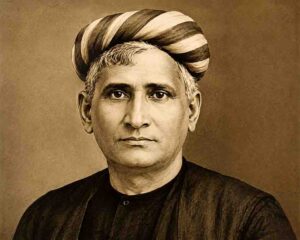
Vande Mataram, composed by Bankim Chandra Chattopadhyay, has a deep connection with India’s freedom movement. The song became a powerful expression of patriotism during the struggle against British colonial rule and was used extensively as a rallying cry by nationalists.
The Constituent Assembly recognised its historical importance at the time of Independence. On January 24, 1950, Dr Rajendra Prasad stated that Vande Mataram, because of its historic contribution to the freedom struggle, would be honoured equally with Jana Gana Mana.
The latest legislation seeks to reinforce that recognition through statutory protection.
Importantly, the amendment does not replace Jana Gana Mana as India’s national anthem. Instead, it provides Vande Mataram with legal protection under the national honour law.
New Protocols for Vande Mataram
The President’s assent comes against the backdrop of new government protocols concerning the rendition of Vande Mataram.
Earlier this year, the Union Home Ministry issued guidelines stating that when Vande Mataram and the national anthem are performed together, the national song should be performed first.
Also Read — “No Humans In Sewers”: Dr. Bharat Nagar Pushes AI Robots To End Deadly Manual Cleaning
The government’s protocol also provides for the rendition of all six stanzas of Vande Mataram on specified official occasions. The full version has a duration of approximately three minutes and ten seconds.
The guidelines cover occasions including the arrival of the President, national flag ceremonies and certain official addresses. They also state that people present during the rendition should stand at attention.
The Home Ministry further directed that schools should begin the day’s activities with community singing of the national song.
Historic Independence Day Rendition at Red Fort
The latest legal development also comes just days before Independence Day.
According to the Home Ministry, Vande Mataram will be sung from the ramparts of the Red Fort for the first time during the Independence Day celebrations this year. The move adds further significance to the national song’s role in the upcoming August 15 ceremony.
The decision is expected to bring the national song into greater focus during one of the country’s most important annual national events.
A New Legal Chapter for India’s National Song
The President’s assent represents a significant legal milestone for Vande Mataram. While its historical and national importance has been recognised for decades, the new legislation establishes explicit statutory protection against deliberate disruption or insult during its singing.
The development also comes at a time when the government is highlighting the historical legacy of Vande Mataram and its contribution to India’s freedom struggle.
With the amended law now in force, deliberate interference with the singing of Vande Mataram can carry serious legal consequences. The legislation thus strengthens the legal framework surrounding national honour while reaffirming the importance attached to one of the most enduring symbols of India’s patriotic history.
Click here to join our WhatsApp Channel for real-time news updates and exclusive coverage.