
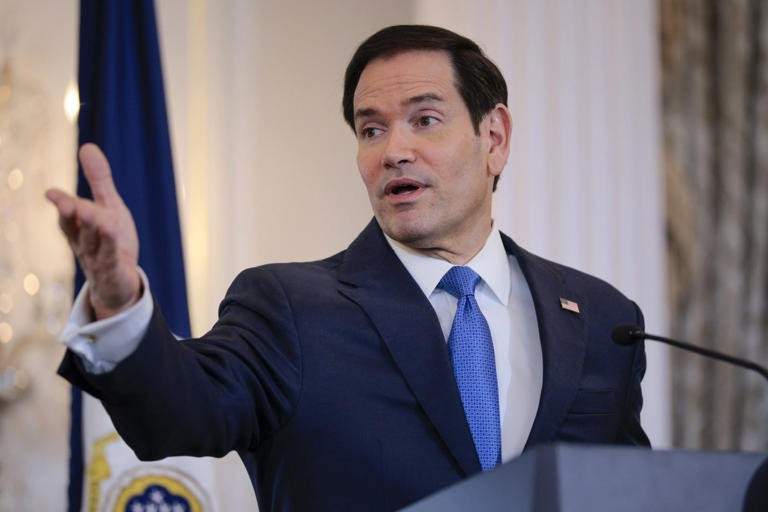
The United States has launched a major diplomatic campaign aimed at weakening the International Criminal Court (ICC), with Secretary of State Marco Rubio urging countries around the world to reject the authority of the Hague-based tribunal. The move marks one of the strongest actions taken by the Trump administration against the ICC, which Washington has long accused of exceeding its legal mandate and threatening American sovereignty.
Rubio announced that the US government would pursue a coordinated strategy to reduce the influence of the ICC by encouraging allied nations to withdraw from the court and end financial or political support for its operations. According to US officials, the campaign could involve diplomatic pressure, sanctions, visa restrictions and other measures against those who continue to back the tribunal.
Washington says ICC exceeds its mandate
In public remarks and official statements, Rubio argued that the ICC has moved beyond its original purpose of prosecuting individuals responsible for genocide, war crimes and crimes against humanity. Instead, he claimed the court has increasingly targeted democratic nations and attempted to assert authority over countries that are not members of the Rome Statute, the treaty that established the ICC.
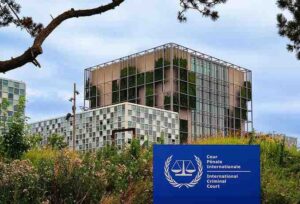
The United States has never become a member of the ICC and has consistently maintained that the court has no jurisdiction over American citizens, military personnel or government officials. Successive US administrations have expressed concerns that American service members serving overseas could face politically motivated investigations or prosecutions.
Rubio described the administration’s effort as a “whole-of-government” campaign designed to prevent what Washington considers an expansion of the court’s powers. He argued that protecting US sovereignty remains a key national security priority.
Diplomatic pressure on allies
Officials familiar with the strategy said the US plans to persuade partner countries to reconsider their relationship with the ICC. Nations receiving American security assistance or maintaining close defence ties with Washington are expected to face increased diplomatic engagement over continued support for the court.
Read Also: India Summons Iranian Diplomats After Hormuz Strike Kills Indian Sailor
Reports indicate the administration is considering additional sanctions, visa revocations and travel restrictions targeting individuals or institutions associated with ICC investigations involving the United States or its allies. The measures would build upon earlier sanctions imposed against ICC officials in recent years.
The ICC has not issued an immediate detailed response to Rubio’s latest announcement. However, the court has previously defended its independence and insisted that it operates strictly under international law and within the legal framework established by its member states.
Background of the dispute
Tensions between Washington and the ICC have existed for more than two decades. The United States signed the Rome Statute in 2000 but never ratified it. In 2002, the US formally informed the United Nations that it did not intend to become a party to the treaty. Since then, American administrations have repeatedly challenged the court’s jurisdiction over US nationals.
The relationship further deteriorated after the ICC pursued investigations related to Afghanistan and later issued arrest warrants involving senior Israeli leaders, a move strongly opposed by Washington. The Trump administration has argued that such actions demonstrate political bias and misuse of the court’s authority.
International implications
Legal experts believe the latest US initiative could deepen divisions over international justice and accountability. While more than 120 countries remain members of the ICC, several governments have previously criticised aspects of its functioning, including concerns about fairness, jurisdiction and political influence.
Supporters of the court argue that the ICC remains an essential institution for prosecuting individuals accused of the world’s most serious crimes, particularly in situations where national judicial systems are unwilling or unable to act. They warn that weakening the court could undermine global efforts to hold perpetrators accountable for war crimes and crimes against humanity.
The Trump administration, however, maintains that international justice should not come at the expense of national sovereignty. Rubio reiterated that the United States would continue working with partners to prevent what it sees as unlawful attempts by the ICC to prosecute American citizens or officials from allied nations.
The campaign is expected to remain a significant element of US foreign policy in the coming months, with Washington seeking broader international support for its position while the future relationship between the United States and the International Criminal Court remains increasingly uncertain.
Click here to join our WhatsApp Channel for real-time news updates and exclusive coverage.