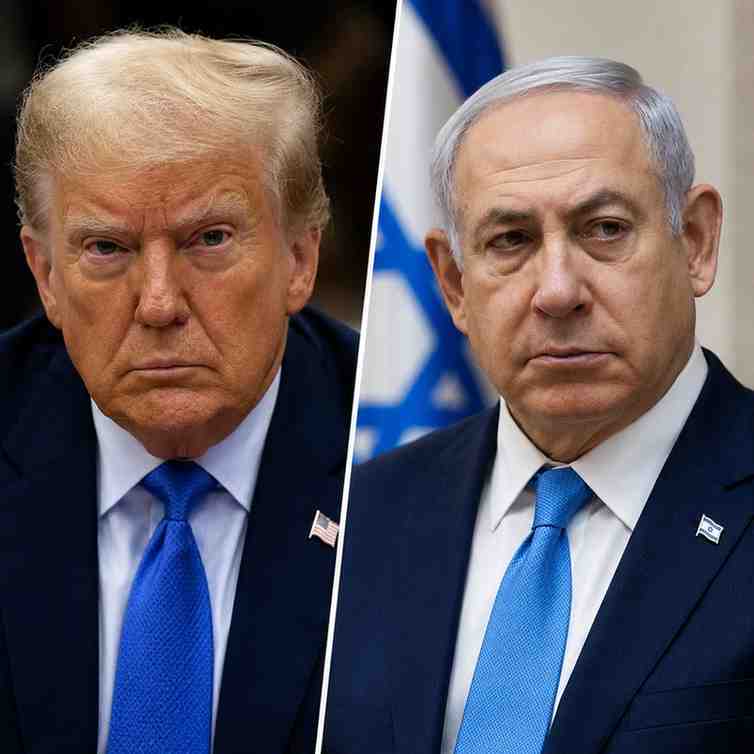
A sharp disagreement between US President Donald Trump and Israeli Prime Minister Benjamin Netanyahu has reportedly exposed growing tensions over Israel’s military actions in Lebanon, as Washington pushes for a diplomatic breakthrough with Iran and broader stability in the Middle East.
According to reports citing sources familiar with the matter, Trump expressed strong frustration during a phone conversation with Netanyahu following Israeli strikes in Lebanon. The military operations reportedly threatened ongoing diplomatic efforts involving Iran and raised concerns about a wider regional escalation.
A US official familiar with the conversation said Trump delivered a blunt message to Netanyahu, reportedly telling him, “You’re f***ing crazy. You’d be in prison if it weren’t for me. I’m saving your a. Everybody hates you now. Everybody hates Israel because of this.”
Another source with knowledge of the call said Trump was visibly enraged throughout the exchange and, at one point, shouted at the Israeli prime minister, demanding, “What the f*** are you doing?”
Sources indicated that Trump was angered by actions that he believed could undermine delicate negotiations aimed at reducing tensions across the region. The reported exchange highlighted increasing pressure from Washington to prevent further military confrontations that could derail diplomatic initiatives.
The developments come at a crucial moment for Middle East diplomacy. Iran had reportedly suspended participation in negotiations due to continued hostilities involving Israeli military operations in Lebanon. The interruption raised fears that months of diplomatic efforts could collapse, potentially increasing instability across the region.
In response to the growing crisis, Trump is said to have engaged directly with key stakeholders, including Israeli leadership and regional actors, in an effort to prevent further escalation. Following these discussions, he announced that both Israel and Hezbollah would refrain from launching attacks against each other, offering a temporary opening for diplomacy.
However, tensions remain high. After his conversation with Trump, Netanyahu reiterated Israel’s position that it would continue to target what it describes as terrorist threats if attacks against Israel persist. He emphasized that Israeli security operations would continue in southern Lebanon while maintaining pressure on groups viewed as hostile to the country’s security.
The situation reflects the delicate balance facing regional leaders. While military concerns remain at the forefront, international efforts are increasingly focused on creating conditions for long-term stability through negotiations rather than conflict.
Trump has publicly emphasized the importance of pursuing a diplomatic settlement with Iran. In a recent interview, he suggested that a negotiated agreement could deliver outcomes superior to those achieved through military action. He also expressed optimism about the timeline for progress, indicating that significant developments could emerge within the coming week.
Analysts view the reported disagreement between Trump and Netanyahu as evidence of differing priorities within the alliance. While Israel remains focused on immediate security threats, the United States appears increasingly concerned that continued military operations could complicate broader strategic goals, including reducing tensions with Iran and preventing a wider regional conflict.
The episode underscores the fragile nature of current Middle East diplomacy. Any renewed hostilities in Lebanon could have far-reaching consequences, affecting negotiations with Iran, regional security arrangements, and international efforts to prevent a broader confrontation.
As diplomatic channels remain active, attention is now focused on whether negotiations with Iran can resume and whether recent efforts to reduce tensions between Israel and Hezbollah can hold. The coming days are expected to be critical in determining whether the region moves closer to a diplomatic breakthrough or faces another cycle of escalation.
For now, international observers are closely monitoring developments, with hopes that dialogue and restraint will prevail over further military confrontation.