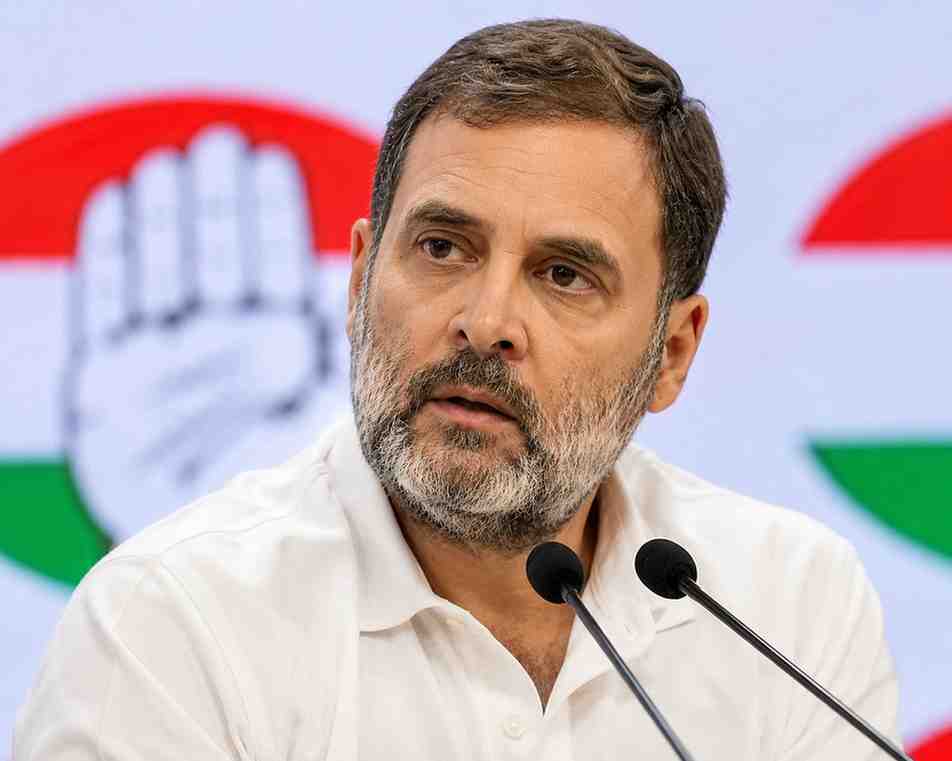
NEW DELHI: The death of a NEET aspirant has once again ignited a political storm over the integrity of India’s examination system, with Leader of Opposition Rahul Gandhi holding the Centre responsible for what he described as the consequences of a “broken system.”
Reacting to the student’s death, Gandhi said the incident should not be viewed merely as a case of suicide but as a tragedy caused by systemic failures that have left lakhs of students anxious and uncertain about their future. He linked the incident to the ongoing controversy surrounding the NEET-UG 2026 examination, which was cancelled following allegations of a major paper leak.
The Congress leader launched a sharp attack on the Narendra Modi government, arguing that repeated irregularities in national-level examinations have eroded students’ trust in the education system. According to Gandhi, the burden of administrative failures is being borne by young aspirants who invest years of effort and resources preparing for competitive examinations.
His remarks come amid continuing outrage over the NEET-UG paper leak controversy, which affected millions of medical aspirants across the country. The examination was cancelled after allegations of widespread malpractice surfaced, prompting authorities to order a re-examination and initiate investigations into the leak.
Gandhi has been vocal on the issue in recent weeks. He previously met the family of a NEET aspirant who died in Rajasthan following the cancellation of the examination and described the current system as “broken” and “corrupt.” He has repeatedly questioned the government’s handling of the crisis and demanded accountability from those responsible.
The Congress leader has also accused the Centre of failing to ensure transparency in major examinations. In recent statements, he cited controversies surrounding NEET, CBSE, SSC and CUET examinations, alleging that repeated disruptions and irregularities have undermined the credibility of the country’s education system.
The ruling government, however, has maintained that it is taking the issue seriously. During proceedings in the Supreme Court, the Centre and the National Testing Agency informed the court that Prime Minister Narendra Modi was personally monitoring the re-examination process to ensure fairness and restore confidence among students.
The NEET paper leak controversy has emerged as one of the biggest challenges facing the education sector this year. The cancellation of the examination affected more than 22 lakh candidates, many of whom had spent months preparing for one of the country’s most competitive entrance tests. The case has triggered nationwide debate on examination security, accountability and the mental health pressures faced by students.
Political reactions continue to intensify as opposition parties demand stronger safeguards against examination fraud and greater accountability from educational authorities. Meanwhile, students and parents across the country are awaiting clarity on the re-examination process and assurances that such incidents will not recur in the future.
As the controversy unfolds, the tragic death of the NEET aspirant has become a focal point in the broader debate over educational reforms, student welfare and the credibility of India’s examination system. The incident has renewed calls for comprehensive reforms aimed at protecting students from the consequences of administrative failures and restoring public trust in competitive examinations.