
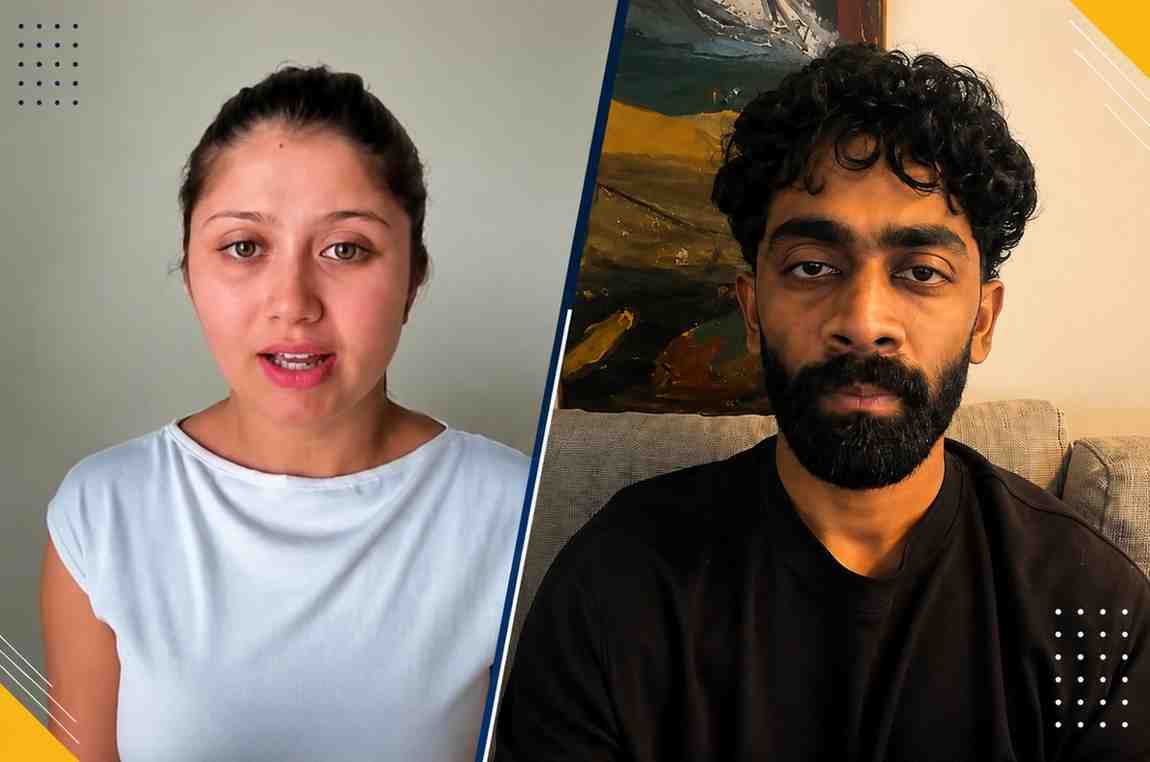
Mumbai: A major controversy has erupted around MBBS student Sejal Pawar of KEM Hospital and Seth GS Medical College after remarks she made about a male corpse during a stand-up comedy show sparked widespread outrage. The incident has triggered disciplinary action from the institution, reignited debate about ethics in medical education, and brought renewed attention to several past controversies associated with the student.
The controversy began after a video clip from comedian Pranit More’s show went viral on social media. During an interaction at the event, Pawar made comments about a male corpse used in medical training. The remarks were widely criticized by doctors, medical students, and members of the public, who argued that they reflected a lack of respect for deceased body donors whose contributions are considered invaluable to medical education.
In response to the backlash, KEM Hospital and Seth GS Medical College initiated disciplinary proceedings. Pawar was placed on a 15-day forced leave and barred from entering the college campus, hospital premises, and hostel during the period of inquiry. The institution also constituted a committee to examine whether her conduct violated the ethical and professional standards expected of medical students.
The controversy has struck a sensitive nerve within the medical fraternity because cadavers occupy a unique position in medical education. Medical students spend months learning human anatomy through donated bodies, and many institutions refer to cadavers as a student’s “first teacher.” Body donation is regarded as a selfless contribution to science and society, making respect for the deceased a fundamental value taught to aspiring doctors from the beginning of their training.
Many doctors and medical organizations have argued that joking about a male corpse in a public setting goes beyond poor judgment and reflects a concerning lack of sensitivity. Critics contend that future healthcare professionals must demonstrate empathy, dignity, and respect not only toward living patients but also toward those who have donated their bodies for education and research.
The incident has also revived discussion about Pawar’s earlier controversies. An old video that resurfaced on social media allegedly showed her making derogatory remarks about faculty members and fellow students. In the clip, she reportedly described faculty members as “toxic” and made unflattering comments about her batchmates. The video generated significant criticism at the time and has once again become a topic of discussion following the latest controversy.
For many observers, the resurfacing of the older video has contributed to concerns that the male corpse remark was not an isolated lapse in judgment but part of a broader pattern of behavior that critics describe as disrespectful and attention-seeking. While supporters argue that comments made in informal settings should not define an individual’s entire career, detractors believe repeated controversies raise legitimate questions about professionalism and maturity.
The incident has also fueled debate about the qualities society expects from doctors. Medicine is not merely a technical profession; it is built upon trust, compassion, and ethical responsibility. Patients and their families often place their lives in the hands of healthcare professionals, making empathy and respect as important as medical knowledge. Critics of Pawar’s remarks argue that reducing a deceased individual to the subject of a joke demonstrates a mindset that falls short of the standards expected from those entering the medical profession.
However, it is important to distinguish criticism of specific actions from conclusions about an individual’s entire career or competence. Professional suitability is ultimately assessed through institutional inquiries, academic performance, and adherence to ethical guidelines rather than public opinion alone. The ongoing inquiry will determine whether further action is warranted.
Following the backlash, Pawar issued a public apology, admitting that her comments were inappropriate and expressing regret for the hurt caused. She described the episode as a learning experience and acknowledged the seriousness of the concerns raised by the medical community.
Despite the apology, the controversy continues to dominate discussions within medical circles and on social media. For many, the issue extends beyond one student’s comments and reflects a broader conversation about professionalism, social media behavior, public conduct, and respect for body donors.
As the inquiry proceeds, the male corpse remark row has become one of the most talked-about controversies involving a medical student in recent times. The case serves as a reminder that medical professionals are held to high ethical standards both inside and outside the classroom, and that respect for human dignity remains a cornerstone of the profession.