
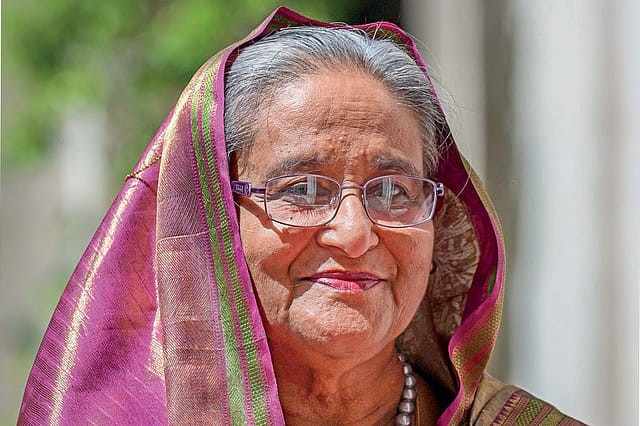
Sheikh Hasina Announces Plan to Return
Sheikh Hasina, former Bangladesh Prime Minister has announced that she intends to return to Bangladesh around December, despite acknowledging that she could be arrested or even killed upon arrival. Speaking from exile in India, Hasina said she and several senior leaders of the Awami League plan to return voluntarily and surrender before the courts.
The 78-year-old leader said she was fully aware of the risks involved but believed returning home was necessary. According to her, the hardships faced by Awami League workers and supporters compelled her to take the decision. She stated that if she had to die, she wanted it to happen on the soil where her parents are buried and where their blood was shed.
Ready to Face Arrest and Legal Proceedings
Hasina said she has no fear of imprisonment and is prepared to face legal proceedings in Bangladesh. She maintained that her decision to return was based on her faith in justice and her belief that the legal process would eventually reveal the truth.
Although she did not announce an exact date for her return, Hasina indicated that the move is likely to take place in December. She also said senior leaders of the Awami League would accompany her and voluntarily surrender before the courts.
Political Background
Sheikh Hasina has been living in India since leaving Bangladesh in 2024 after a massive student-led uprising ended her long tenure in power. The political unrest led to the collapse of her government, after which an interim administration took charge.
Subsequently, Bangladesh’s International Crimes Tribunal tried Hasina in absentia over allegations linked to the government’s crackdown on protesters during the unrest. She was sentenced to death, a verdict she has consistently rejected as politically motivated and unconstitutional. Hasina has denied all allegations against her.
Awami League Faces Continuing Pressure
The Awami League, once Bangladesh’s dominant political force, has faced significant challenges since Hasina’s departure. The party has been banned, while many of its leaders and workers reportedly face legal cases, arrests, or are in hiding.
Also Read: Mamata Banerjee Fires Back At BJP, Says “To Silence Me, You Will Have To Kill Me”
Hasina alleged that thousands of party members have been subjected to repression. She claimed the difficult situation confronting her supporters strengthened her resolve to return and stand with them.
She also revealed that she has been holding virtual meetings with party leaders across numerous parliamentary constituencies to reorganize the Awami League despite the restrictions imposed on it.
Appeal for Democratic Judgment
During the interview, Hasina argued that any assessment of her government’s performance should ultimately be made by the people of Bangladesh through democratic means rather than through political or judicial action.
She acknowledged that governments can make mistakes after remaining in power for long periods but insisted that voters—not political rivals—should determine whether her administration deserved to continue.
Hasina questioned the suspension of the Awami League and argued that if her party had failed the country, the electorate should be allowed to decide its future through elections.
Possible Impact on Bangladesh Politics
Political observers believe Hasina’s return could become one of the most significant developments in Bangladesh’s political landscape since the change of government in 2024. Her decision may intensify political tensions, particularly as legal proceedings and debates over accountability continue.
Analysts also suggest that her return could influence Bangladesh’s domestic political environment while potentially affecting diplomatic relations with India, where she has remained in exile since leaving office. Bangladesh has previously sought her extradition from India, although there has been no official response regarding her latest announcement.
What Lies Ahead
While Sheikh Hasina has reaffirmed her determination to return, several questions remain unanswered, including the precise date of her arrival, the legal process she will face, and the government’s response once she enters Bangladesh.
Her announcement signals that she intends to confront the legal challenges directly rather than remain in exile. Whether her return proceeds as planned could shape Bangladesh’s political future and test the country’s judicial and democratic institutions in the months ahead.
Click here to join our WhatsApp Channel for real-time news updates and exclusive coverage.