
Singapore has taken a firm stance against a wave of racist and xenophobic comments directed at India and Indians on social media following the devastating floods and avalanche-related disaster in Nepal.
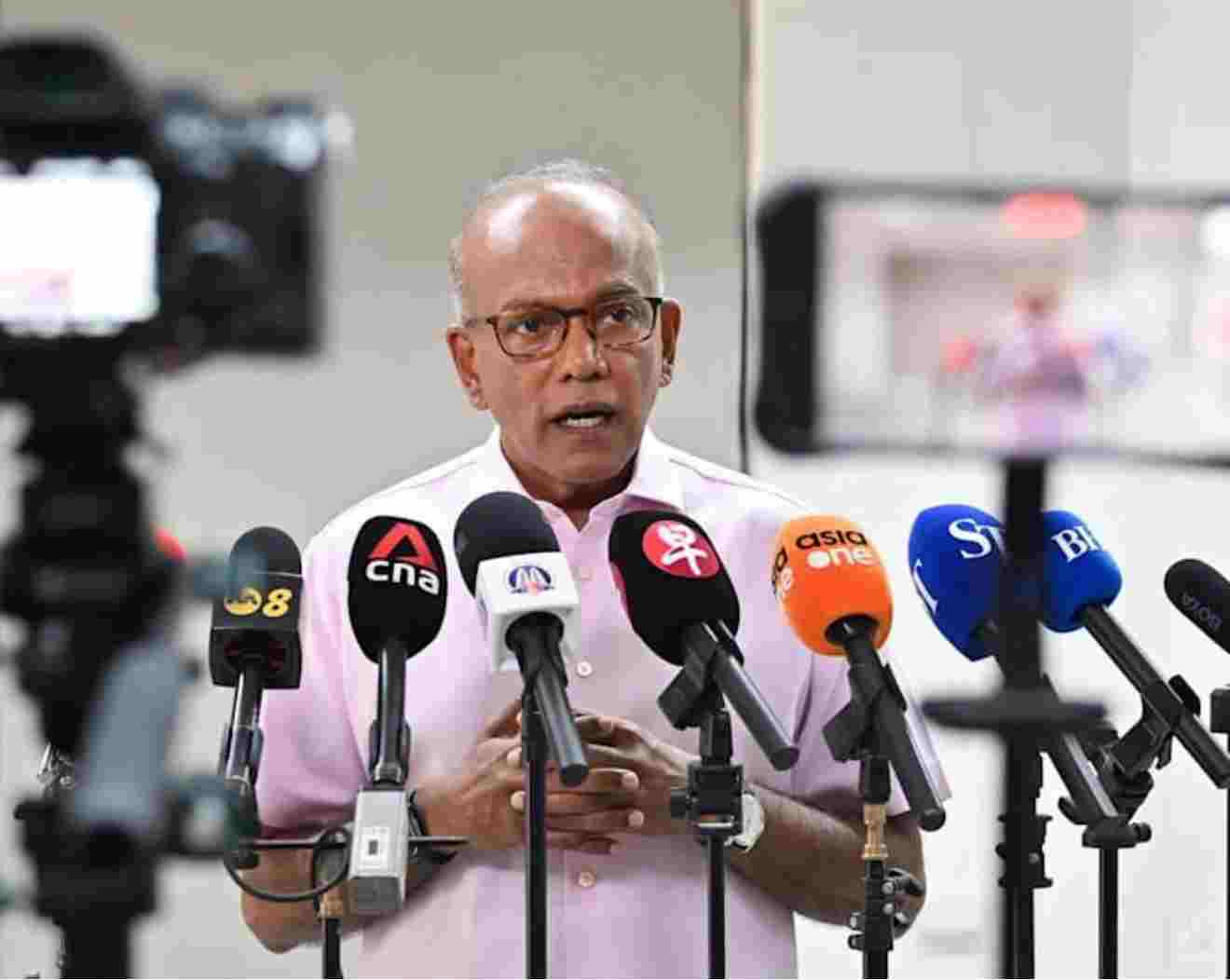
Senior Minister K Shanmugam, who also serves as Singapore’s Home Affairs Minister and Coordinating Minister for National Security, described the comments as “shameful, nasty” and “totally unacceptable”. He said authorities were looking into the matter and that Singapore would not tolerate such inflammatory online behaviour.
Singapore minister orders investigation into racist comments
Speaking on Saturday, Shanmugam said media reports had alerted him to several offensive comments that had been removed from online platforms because of their nature.
He stressed that it was not immediately clear whether all the comments had been posted by Singaporeans. However, he made clear that their content warranted action.
Shanmugam said he had asked the police to investigate the remarks. He also said Singapore’s Ministry of Digital Development and Information would contact social media platforms and seek the removal of posts that breach their community guidelines.
The minister pointed to comments made during online discussions surrounding the disaster, including derogatory references to Indians and remarks concerning missing Singaporeans. One reported comment questioned whether missing people should be regarded as “our own”.
The intervention comes as Singapore continues to emphasize its position against racism and xenophobia, particularly when inflammatory statements emerge during sensitive international events.
Anti-India remarks emerge amid Nepal disaster
The controversy unfolded against the backdrop of the catastrophic disaster that struck Nepal on August 26.
An ice-rock avalanche near the Nepal-Tibet border triggered a massive surge of water and debris into the Bhotekoshi River system. The disaster caused widespread destruction across parts of northern and central Nepal, damaging settlements and leaving thousands of people affected.
The scale of the tragedy has prompted a major rescue and recovery operation, while authorities continue efforts to identify victims and trace people who remain missing.
According to the latest figures cited by Nepal Police in the report, the death toll had reached 1,344, while nearly 5,000 people were still reported missing. More than 13,100 people had been rescued.
The identification of victims has also become a significant challenge. Authorities have reported difficulties because some recovered remains were severely damaged, decomposed or found in separate parts.
Nepal Police has therefore begun collecting DNA samples from relatives of missing people in an effort to identify unclaimed bodies and human remains.
Singapore-India ties add significance
Shanmugam’s condemnation also carries significance because of the close economic relationship between Singapore and India.
Singapore is among India’s important economic partners and is its largest trading partner within the Association of Southeast Asian Nations (ASEAN). The two countries maintain extensive commercial, investment and people-to-people links.
Against that background, the Singapore minister’s public criticism of anti-India racism represents a clear rejection of attempts to turn a humanitarian tragedy into a platform for racial hostility.
The episode also highlights the growing challenge faced by governments in dealing with abusive and discriminatory content on social media. Online discussions surrounding disasters can spread rapidly, sometimes producing misinformation, hostility and racist commentary alongside genuine calls for help and solidarity.
Focus remains on rescue and recovery
Despite the controversy surrounding the online comments, the primary focus in Nepal remains the continuing humanitarian crisis.
Rescue teams and authorities are working to locate missing people, recover victims and support communities devastated by the disaster. The large number of missing people has made identification and family reunification especially difficult.
The disaster has also intensified attention on the vulnerability of Himalayan communities to sudden natural hazards, particularly in areas where avalanches, landslides and extreme water flows can rapidly transform local conditions.
As Nepal continues its difficult recovery, Shanmugam’s remarks have sent a broader message that humanitarian disasters should not become an excuse for racism or xenophobia.
His decision to involve the police and seek action from social media platforms underlines Singapore’s determination to address offensive online content through existing legal and platform mechanisms.
The incident ultimately places the focus on two parallel issues: the enormous human cost of the Nepal disaster and the need for responsible public discourse during times of crisis. For Singapore, the minister’s intervention makes clear that racist attacks against Indians or any other community will not be dismissed simply as online commentary.
Click here to join our WhatsApp Channel for real-time news updates and exclusive coverage.