India’s school education system is stepping up efforts to make classrooms more inclusive, accessible and supportive for Children with Special Needs (CwSN), with more than 72 lakh teachers already sensitised through the PRASHAST digital platform.
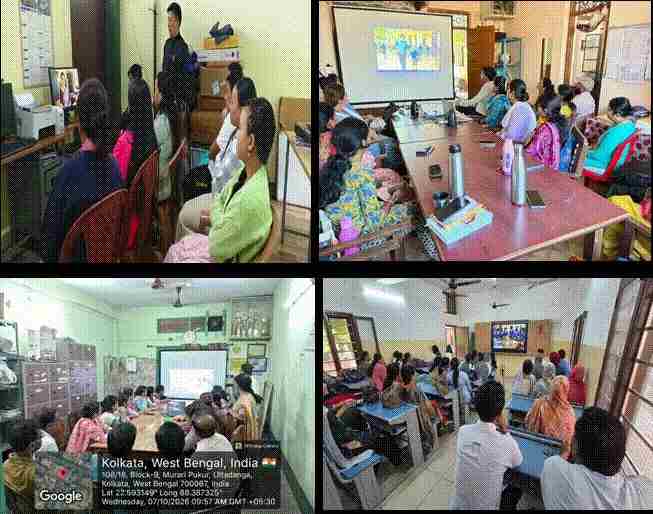
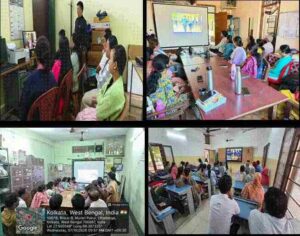
The Department of School Education & Literacy (DoSEL), Ministry of Education, has organised nationwide screening of a 30-minute Sensitization and Orientation Module on Inclusive Education for Children with Special Needs through the PRASHAST Portal.
The programme has brought together school personnel across the country to strengthen awareness about disability, encourage respectful interactions and promote a whole-school approach to inclusion.
More than 60,000 schools participated in the nationwide screening, while participation is expected to expand further during the month.
The initiative underlines that inclusion cannot remain limited to the classroom. The experience of a child with special needs is shaped by every interaction within a school—from teachers and special educators to office staff, transport personnel and other members of the school community.
More Than 72 Lakh Teachers Sensitised
DoSEL has been conducting continuous sensitisation of general teachers on Inclusive Education through PRASHAST for the past three months.
According to the ministry, more than 72 lakh teachers have already completed sensitisation through the dedicated module, creating a broad network of educators familiar with the principles and requirements of inclusive education.
The latest orientation module expands this approach by involving not only teachers but also heads of schools, special educators and non-teaching personnel.
Its target audience includes a wide range of school employees, including aayahs, drivers, clerical staff, receptionists, deans and wardens.
The approach recognises that children with disabilities may require understanding and appropriate support throughout their school day, rather than only during lessons.
Practical Training in 12 Indian Languages
The 30-minute module uses practical examples and interactive activities to help school personnel understand the needs of CwSN and adopt appropriate, sensitive and respectful practices.
To make the programme accessible across diverse linguistic communities, the module is available in 12 Indian languages.
The training focuses on creating school environments where children can participate with dignity and without unnecessary barriers. It also seeks to improve awareness among staff who may interact with children outside conventional teaching spaces.
The whole-school model places shared responsibility at the centre of inclusive education, encouraging all staff members to contribute to a safe and supportive environment.
How PRASHAST Helps Identify Disability
PRASHAST is a school-based digital screening tool designed to help identify children with probable disability conditions covered under the Rights of Persons with Disabilities (RPwD) Act, 2016.
The platform uses a two-part checklist. In the first stage, regular teachers screen students using observable indicators. These can include areas related to physical, visual, hearing and speech difficulties, as well as learning-related concerns, autism and mental-health-related indicators.
Teachers are not required to make a medical diagnosis. Instead, their day-to-day observations can help identify children who may require further attention.
In the second stage, special educators validate and categorise the cases and facilitate referrals for medical assessment wherever necessary.
Supporting Early Identification
One of the significant objectives of the PRASHAST approach is to encourage early identification of disabilities that may not always be immediately visible.
Conditions such as Specific Learning Disability and autism can sometimes be overlooked or misunderstood in conventional classroom settings. Early screening can help bring possible concerns to the attention of parents, educators and appropriate professionals.
The process can also help reduce the risk of children being misunderstood or incorrectly labelled because of learning, behavioural or communication differences.
By placing teachers at the first stage of observation and involving special educators in validation, PRASHAST creates a structured pathway between everyday classroom observations and professional assessment.
Strengthening Inclusive Education Under NEP 2020
The initiative forms part of the Ministry of Education’s continuing efforts to strengthen equitable, accessible and inclusive education in accordance with the National Education Policy (NEP), 2020 and the RPwD Act, 2016.
Also Read | 43% Women Power India’s Ayush Workforce As $36.92 Billion Sector Eyes $318 Billion By 2047
It also supports the broader objective of ensuring that children with disabilities can participate meaningfully in education without facing avoidable barriers.
The approach is aligned with the principle that inclusive education requires more than infrastructure or formal provisions. Awareness among the people who teach, supervise, transport and interact with children is equally important.
With more than 72 lakh teachers already sensitised and thousands of schools participating in the nationwide initiative, the PRASHAST programme represents an expanding effort to make disability awareness and inclusion an integral part of everyday school life.
Inclusion as a Shared Responsibility
The Ministry’s initiative sends a clear message that creating an inclusive school cannot be the responsibility of teachers or special educators alone.
From the classroom to the school gate, transport system, administrative office and common areas, every interaction can influence whether a child feels accepted, respected and supported.
Through PRASHAST and the new sensitisation module, DoSEL is seeking to strengthen that shared responsibility and move towards a school system where every child has a fair opportunity to learn, participate and thrive.
Click here to join our WhatsApp Channel for real-time news updates and exclusive coverage.