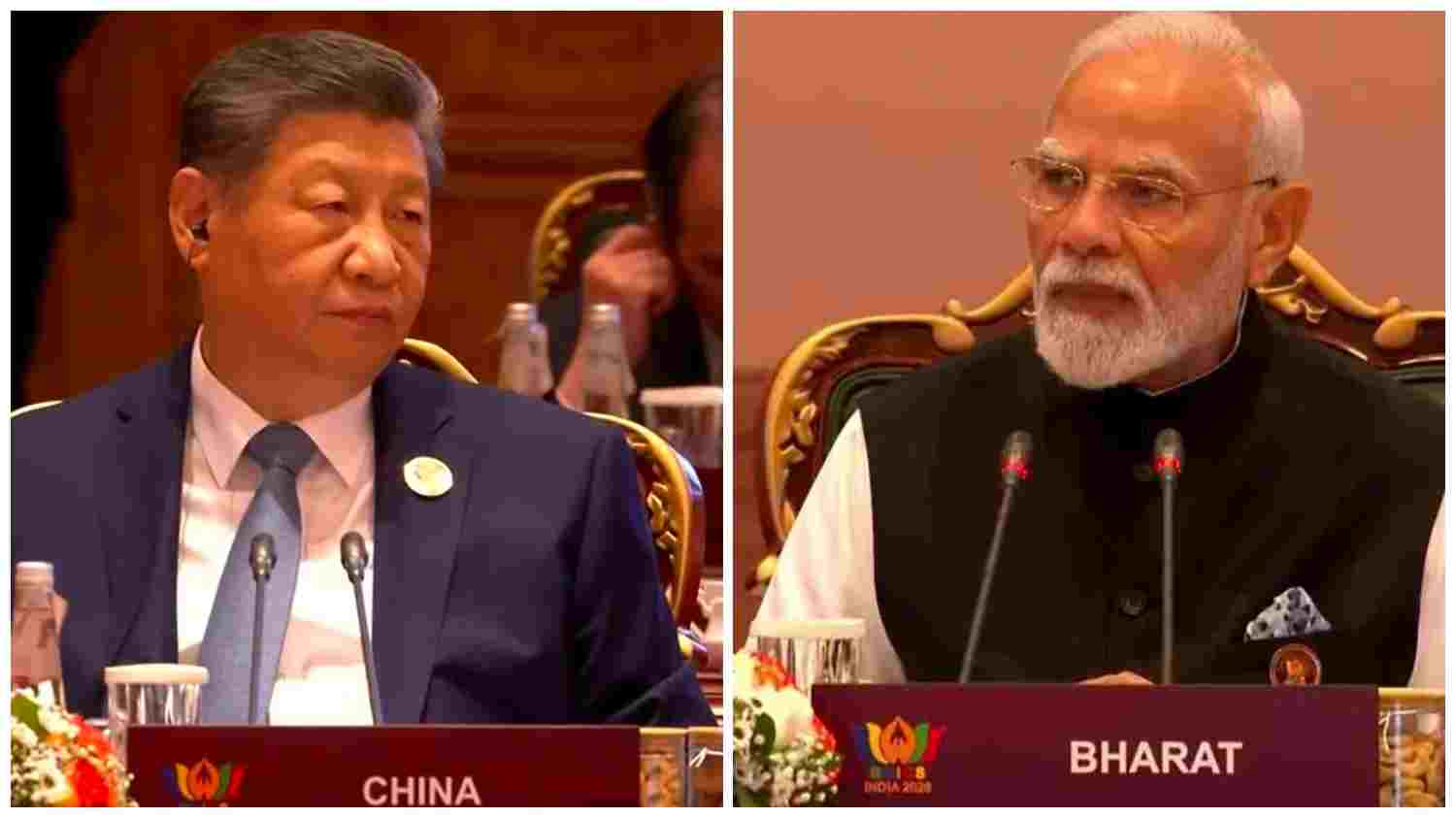
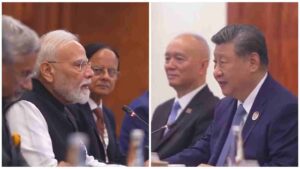
Prime Minister Narendra Modi and Chinese President Xi Jinping held a closely watched bilateral meeting on the sidelines of the 18th BRICS Summit in New Delhi on Saturday, with both sides signalling a cautious effort to stabilise India-China relations. The talks focused on maintaining peace along the border, strengthening bilateral engagement and adopting a long-term strategic approach to ties.
Border Peace Emerges as Key Priority
During the meeting, Modi stressed that peace and tranquillity in the border areas remain essential for the continued development of relations between India and China. New Delhi underlined that differences between the two countries should not be allowed to develop into disputes, placing border stability at the centre of efforts to improve bilateral ties.
The message comes against the backdrop of the severe deterioration in India-China relations following the 2020 military confrontation in eastern Ladakh. The Galwan Valley clash resulted in the deaths of soldiers from both countries and triggered years of heightened military and diplomatic tensions.
Since then, the two governments have pursued measures aimed at reducing tensions along the Line of Actual Control (LAC). The latest Modi-Xi engagement indicates that maintaining the progress achieved in recent years remains a priority for both sides.
Modi Highlights ‘Three Mutuals’
Modi and Xi welcomed what they described as steady progress in India-China relations since their previous meeting in Tianjin in August 2025. Both leaders also agreed on the importance of viewing bilateral relations from a strategic and long-term perspective.
According to the Ministry of External Affairs, Modi said the relationship should be guided by three principles: mutual respect, mutual sensitivity and mutual interest.
The emphasis on these three “mutuals” reflects India’s position that stable relations require greater sensitivity to each other’s concerns while protecting national interests. It also underlines New Delhi’s preference for sustained dialogue alongside the management of differences.
Border Dispute Discussed by Modi and Xi
The unresolved boundary question also featured prominently in the discussions. Modi and Xi expressed their commitment to pursuing a resolution that is fair, reasonable and mutually acceptable, according to the MEA.
The border issue remains one of the most complicated elements of the bilateral relationship. Although the two countries have taken steps to reduce military tensions, the broader boundary question has not been resolved.
India has consistently maintained that peace and tranquillity along the border are necessary for the normalisation and further development of bilateral relations. The latest talks therefore represent another attempt to keep the border question within a framework of dialogue rather than confrontation.
Xi Calls India and China Major Global South Powers
Xi Jinping also placed the bilateral relationship in a wider international context. During his discussion with Modi, he described India and China as important members of the Global South and said the two countries carry significant responsibilities amid a rapidly changing international environment.
Xi argued that both nations should keep the future of humanity and the welfare of their populations in mind while working to advance cooperation within the broader BRICS framework. He also called for an equal and orderly multipolar world and a form of economic globalisation that is inclusive and mutually beneficial.
Also Read — “China And India Are Partners, Not Rivals”: Xi Jinping Signals New Era Of Ties
His remarks suggest that Beijing sees closer coordination between the world’s two most populous countries as important not only for bilateral relations but also for the wider Global South and BRICS agenda.
Xi’s First India Visit in Seven Years
Xi arrived in New Delhi on Saturday to attend the India-hosted BRICS Summit, marking his first visit to India in seven years. His previous visit was in 2019, when he travelled to Mahabalipuram in Tamil Nadu for an informal summit with Modi.
The visit carries particular significance because it follows a prolonged period of strained relations after the Ladakh clashes. Reuters reported that India-China relations have gradually moved toward cautious normalisation, with military disengagement followed by renewed economic and diplomatic engagement.
The two sides have also sought to restore elements of normal bilateral interaction, including travel and business links, even as strategic and territorial differences remain.
BRICS Provides Wider Diplomatic Platform
The Modi-Xi meeting took place against the backdrop of an important BRICS gathering in New Delhi. Both India and China are influential members of the expanded grouping, making their bilateral relationship significant for the organisation’s wider agenda.
11th Ayurveda Day: AIIA Signs Key MoU, Boosting Ayurveda Research, Education And Global Expansion
Xi said China was ready to work with other BRICS members to promote peace, stability, development and prosperity. He also referred to the conflict in the Middle East, saying the war does not serve the common interests of the international community.
For India, the challenge is to maintain strategic autonomy while managing relations with China on issues ranging from border security to trade and global governance.
A Cautious Reset, Not a Final Resolution
The Modi-Xi talks signal an important diplomatic opening, but the meeting does not remove the fundamental challenges in India-China relations. The boundary dispute, strategic mistrust, trade concerns and wider geopolitical differences continue to require careful management.
Still, the leaders’ emphasis on border peace, dialogue and long-term engagement provides a framework for preventing disagreements from escalating. India’s message that differences must not become disputes is particularly significant as New Delhi and Beijing seek to consolidate the recent improvement in ties.
The latest meeting therefore represents less a final breakthrough than a deliberate effort to build stability. Sustaining peace along the border and translating diplomatic understanding into concrete progress will remain crucial to determining whether the cautious India-China thaw can develop into a more durable relationship.
Click here to join our WhatsApp Channel for real-time news updates and exclusive coverage.