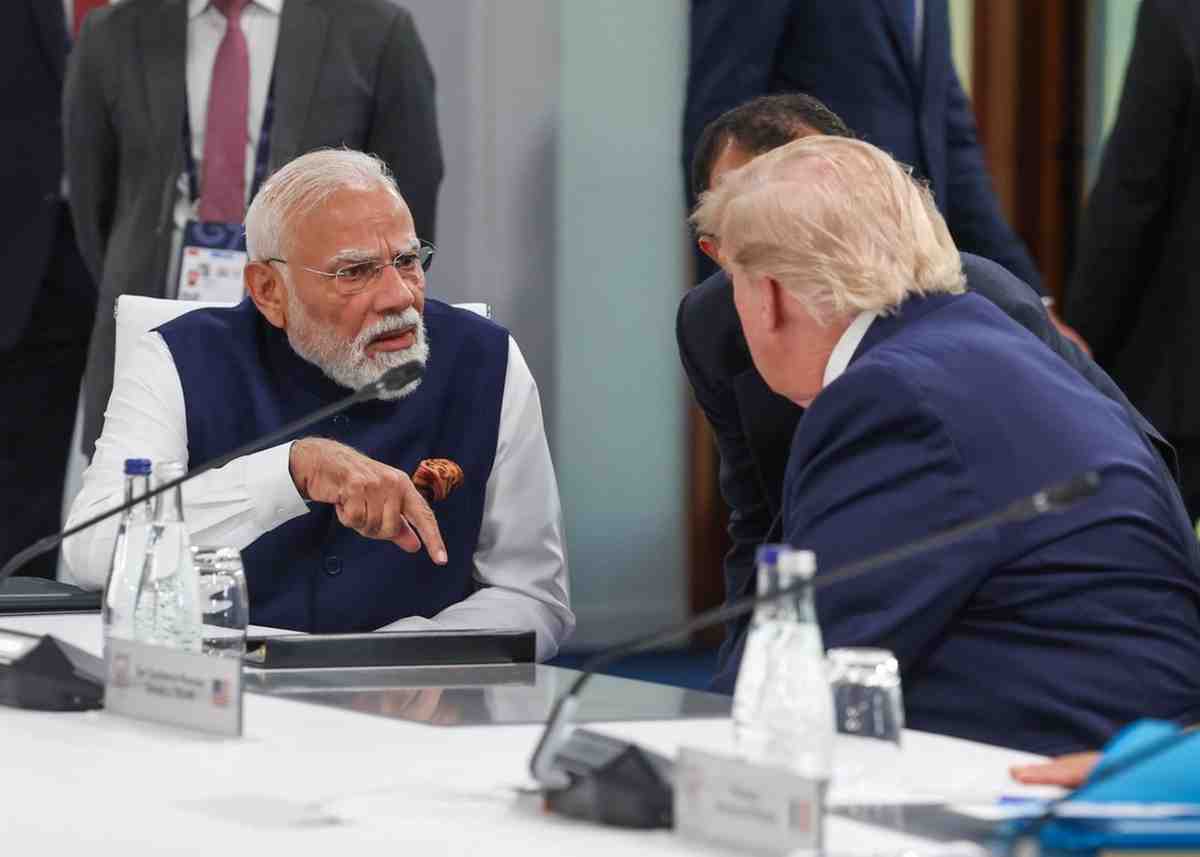
The United States’ proposed Russia sanctions legislation has taken a new turn after President Donald Trump said the bill should be revised before becoming law, even as it contains provisions that could expose countries like India to tariffs of up to 100 percent for continuing to purchase Russian energy.
Trump said he supports the objective of increasing pressure on Russia over the Ukraine conflict but argued that the legislation should not be limited to Moscow alone. Instead, he wants Congress to expand the President’s authority to impose tariffs on Iran as well. His remarks could influence the final shape of the bill before it reaches the House of Representatives.
Trump Wants Broader Powers
Speaking about the legislation, Trump indicated that while the sanctions bill is largely acceptable, it requires changes.
“It is not necessary, but I would like to see it,” Trump said while referring to adding provisions related to Iran. The President believes the bill should grant him wider flexibility in using tariffs as a foreign policy tool against countries that threaten US interests.
His comments suggest that the administration wants the legislation to cover multiple geopolitical challenges instead of focusing solely on Russia.
What The Bill Means For India
The bipartisan bill cleared by the US Senate contains provisions that could authorize the President to impose tariffs of up to 100 percent on countries that continue importing Russian oil and gas. India and China are among the world’s largest buyers of discounted Russian crude and could therefore face significant economic consequences if the legislation is enacted in its present form.
Although the measure does not automatically trigger tariffs, it gives the US President the authority to impose them under specific circumstances. The final decision would remain with the White House.
For India, which has substantially increased Russian crude imports since the Ukraine war began, the proposed law has raised concerns about possible disruptions to trade and energy security.
Why India Continues Buying Russian Oil
India has consistently defended its decision to import Russian crude, arguing that energy security remains a national priority.
Officials have repeatedly maintained that India purchases oil based on affordability and availability while ensuring the country’s energy needs are met. Discounted Russian crude has helped Indian refiners reduce import costs and stabilize domestic fuel supplies during periods of global volatility.
New Delhi has also emphasized that its foreign policy remains independent and guided by national interest rather than external pressure.
Senate Pushes Tougher Sanctions
The proposed legislation enjoys bipartisan support in the US Senate and is aimed at increasing economic pressure on Russia over the ongoing conflict in Ukraine.
Supporters argue that countries continuing to purchase Russian energy indirectly provide financial support to Moscow. Some lawmakers have specifically highlighted India and China as major buyers whose imports help sustain Russia’s energy revenues.
Senator Richard Blumenthal has defended the bill, saying its purpose is to pressure countries whose continued purchases undermine international sanctions against Russia.
Possible Impact On Trade
If tariffs are eventually imposed, Indian exports to the United States could become significantly more expensive, affecting several sectors.
Industries including engineering goods, textiles, chemicals, automobiles and other export-oriented businesses could face increased costs in accessing the American market. Economists also warn that higher tariffs could complicate trade negotiations between the two strategic partners.
Also Read: Japan Earthquake Death Toll Climbs To 30 As Thousands Remain Without Power And Water
However, analysts note that the legislation has not yet become law and could still undergo revisions during the legislative process. The President would also retain discretion over whether and when to enforce such tariffs.
India-US Relations Under Watch
Despite periodic disagreements over trade and energy, India and the United States continue to maintain a broad strategic partnership covering defence, technology, investment and the Indo-Pacific.
The proposed sanctions bill nevertheless introduces a fresh challenge for bilateral ties, especially if tariff provisions targeting Russian energy buyers remain intact.
Trump’s latest demand to expand the legislation to include Iran-related tariff powers may further delay or reshape the bill before it reaches the next stage of Congressional approval.
For now, India is closely watching developments in Washington while continuing to defend its energy policy as being driven by national economic interests rather than geopolitical alignments. The coming weeks are expected to determine whether the proposed legislation remains unchanged or is modified to reflect the President’s recommendations.
Click here to join our WhatsApp Channel for real-time news updates and exclusive coverage.