The conflict between Israel and Iran intensified sharply on Monday after Israeli forces carried out strikes on Iranian petrochemical and military facilities following a fresh exchange of missile attacks between the two regional rivals. The latest escalation has raised fears of a broader Middle East confrontation and sparked renewed concerns about global energy security.
According to reports, Israel launched a series of airstrikes targeting strategic locations inside Iran, including petrochemical infrastructure and military installations in central and western parts of the country. The attacks came hours after Iran fired multiple ballistic missiles toward Israeli territory in what Tehran described as retaliation for recent Israeli military actions in the region.
Israeli Prime Minister Benjamin Netanyahu was expected to hold a high-level security meeting with senior military and intelligence officials to assess the evolving situation and discuss the country’s next steps. The emergency consultations reflect growing concerns in Israel over the possibility of further Iranian retaliation and the widening scope of the conflict.
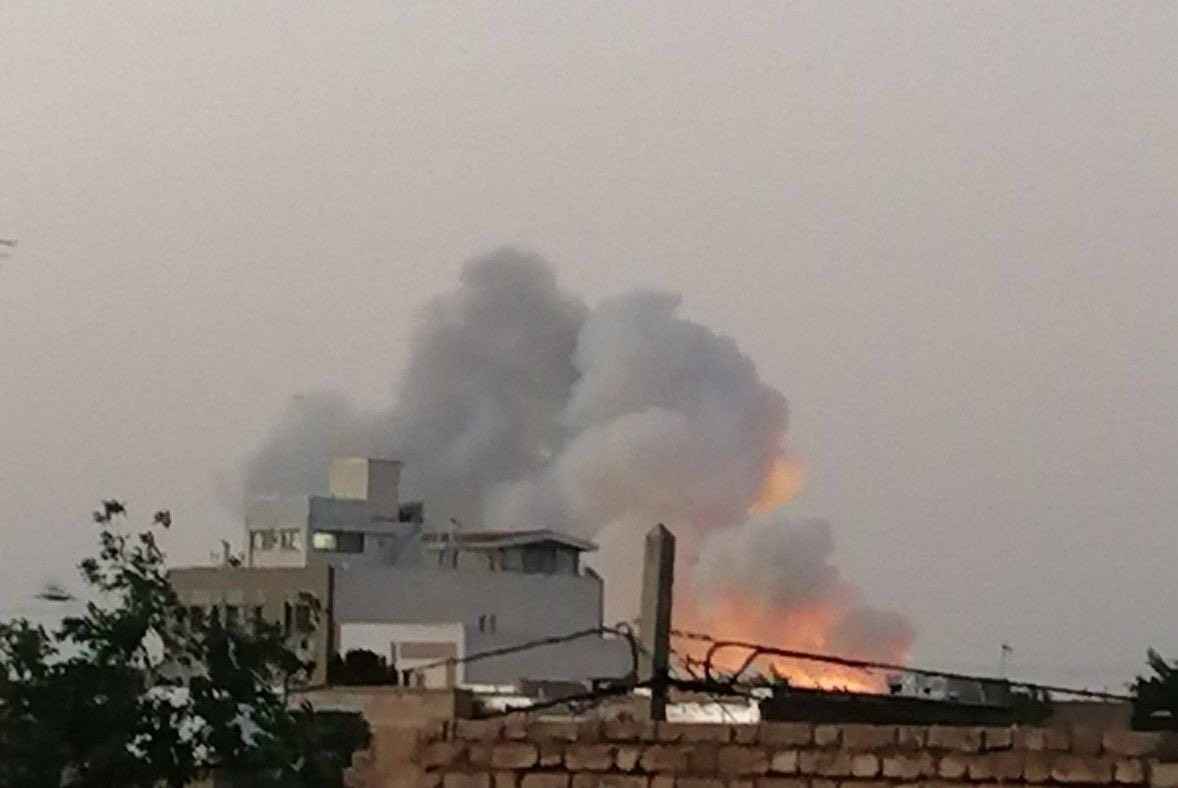
The latest exchange marks one of the most serious confrontations between the two countries since a fragile ceasefire reached earlier this year. Israeli military officials said the strikes were aimed at military and strategic targets linked to Iran’s defense infrastructure. Iranian media, meanwhile, reported explosions in several cities, including Tehran, Isfahan, Tabriz and Karaj, as air defense systems were activated in response to the attacks.
Iran responded by launching missiles toward Israel, with some reportedly targeting military air bases. Israeli defense systems intercepted many of the incoming projectiles, though air raid sirens sounded across several areas. The exchange has heightened fears that both countries may move beyond limited retaliatory actions into a prolonged military confrontation.
The growing conflict has also drawn international attention because of its potential impact on global energy markets. Reports indicated that Israeli strikes affected Iranian petrochemical facilities, a significant development given the importance of Iran’s energy sector to regional exports. Concerns over disruptions to energy supplies pushed oil prices higher, with global benchmark crude prices rising as investors reacted to the increased risk of instability in the Middle East.
The situation has become even more complicated due to tensions surrounding the Strait of Hormuz, one of the world’s most important shipping routes for oil and gas. Iranian officials have suggested new conditions for maritime transit through the strategic waterway, adding to worries about future supply disruptions and increased transportation costs.
Diplomatic efforts are continuing despite the renewed violence. United States President Donald Trump has publicly stated that the latest military exchanges should not derail ongoing efforts to secure a broader agreement with Tehran. Reports suggest Washington urged restraint and attempted to discourage further escalation, although military actions continued on both sides.
Several countries have called for de-escalation, warning that continued hostilities could destabilize the wider region. Airspace restrictions have already been imposed in parts of the Middle East, and authorities in Iran temporarily suspended flights at key airports amid security concerns. Regional governments are closely monitoring developments as fears grow that additional actors could become involved in the conflict.
The latest round of attacks underscores the fragile security environment in the Middle East. With both Israel and Iran showing little willingness to back down and military exchanges continuing across multiple fronts, international observers fear the crisis could enter an even more dangerous phase in the coming days. As Netanyahu’s security cabinet meets and Iran weighs its response, the world is watching closely for signs of either further escalation or a return to diplomacy.