
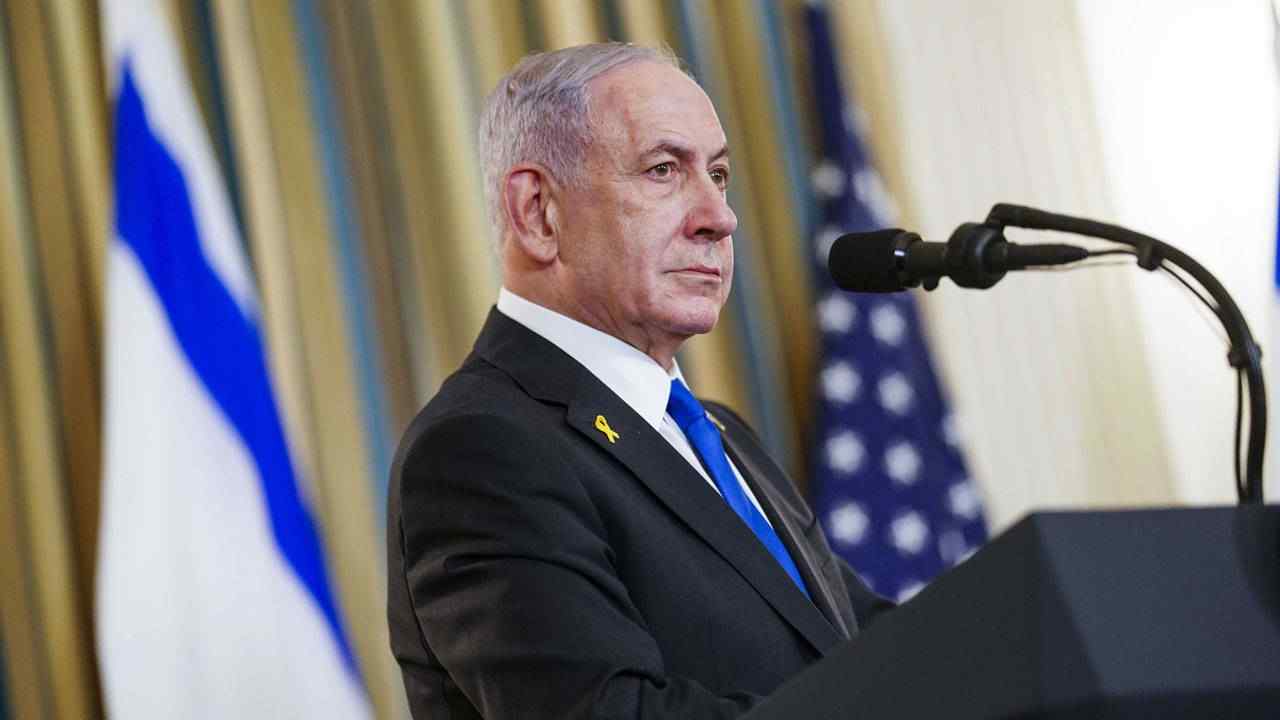
Israel Dismisses Allegations as ‘Fake News’
Israel has categorically rejected media reports alleging that it planned to assassinate senior Iranian negotiators during sensitive diplomatic efforts aimed at easing tensions with Tehran. The Israeli Prime Minister’s Office described the claims as “fake news” and “a complete fabrication of reality,” firmly denying any such operation was under consideration.
The allegations emerged after reports suggested that American officials had privately expressed concerns over the safety of Iranian representatives participating in negotiations intended to prevent further escalation in the region. Israeli authorities, however, insisted that the reports were entirely inaccurate and accused the publications of spreading misinformation.
Reports Claimed US Officials Feared Possible Attack
According to reports published earlier by international media outlets, some current and former US officials believed Israel might have considered targeting two of Iran’s most senior negotiators during high-level diplomatic discussions earlier this year. Those reportedly identified were Iranian Foreign Minister Abbas Araghchi and Parliament Speaker Mohammad Bagher Ghalibaf.
The reports further claimed that Washington was concerned such an action could derail negotiations aimed at reducing regional tensions and reopening key shipping routes, including the Strait of Hormuz. Because of those concerns, US officials allegedly communicated indirect warnings to Tehran through regional intermediaries.
Read Here: India Demands Urgent Probe After Indian Seafarer’s Body Returns From Venezuela With Missing Organs
Israeli Government Rejects Every Claim
Responding to the reports, the Israeli Prime Minister’s Office issued a blunt denial, asserting that the allegations had no basis in reality. Officials maintained that Israel had never planned such an operation and criticized the reporting as misleading.
The government’s statement stressed that the published accounts distorted facts surrounding the diplomatic process and created unnecessary speculation at a time when regional stability remains fragile.
Diplomatic Efforts Continue Amid Regional Tensions
The controversy comes against the backdrop of ongoing diplomatic initiatives involving the United States and Iran. Recent negotiations have focused on maintaining ceasefire arrangements, addressing maritime security in the Strait of Hormuz, and reducing the risk of renewed military confrontation.
Although negotiations have faced repeated setbacks, both Washington and Tehran have continued exploring diplomatic channels through mediators in the region. However, persistent mistrust between Iran and Israel has remained one of the biggest obstacles to long-term stability.
US Has Not Publicly Confirmed the Reports
While media reports cited unnamed current and former American officials, the US government has not publicly confirmed the alleged warnings or the existence of an Israeli assassination plan.
The reported concerns nevertheless highlight the level of sensitivity surrounding the negotiations, particularly given the history of covert operations, targeted killings and intelligence activities that have characterized tensions between Israel and Iran over the past several years.
Also read: US Alerted Iran Over Alleged Israeli Plot To Target Top Negotiators Amid Fragile Peace Efforts
Netanyahu and Trump Agree to Meet
Amid the controversy, Israeli Prime Minister Benjamin Netanyahu and US President Donald Trump held a telephone conversation in which they agreed to meet in the United States in the near future.

According to the Israeli Prime Minister’s Office, Netanyahu congratulated President Trump on the upcoming anniversary of American independence, while both leaders reaffirmed the close relationship between their countries. No official date or venue for the meeting has yet been announced.
Middle East Remains on Edge
The exchange of accusations reflects the continuing volatility across the Middle East, where diplomatic engagement frequently unfolds alongside military tensions and intelligence operations.
Analysts believe that even unverified reports regarding assassination plots have the potential to complicate negotiations, increase mistrust between rival states, and undermine international mediation efforts aimed at preventing another major regional conflict.
With multiple diplomatic initiatives still underway, governments across the region are expected to closely monitor developments while attempting to preserve fragile communication channels that could help prevent further escalation.
Israel’s swift rejection of the assassination allegations underscores the sensitivity of Middle East diplomacy, where unverified claims can quickly inflame regional tensions. The episode highlights the fragile balance between security concerns and ongoing negotiations, emphasizing the need for credible information and sustained diplomatic engagement to prevent mistrust from undermining efforts toward stability and conflict de-escalation.
Click here to join us on WhatsApp Channel and get all the latest news updates