NEW DELHI: The Government of India has expanded its list of designated individual terrorists under the Unlawful Activities (Prevention) Act (UAPA), 1967, bringing the total number of notified individuals to 23 through the latest set of notifications. Among those newly designated is Mohammad Mussadiq, an alleged senior operative of the banned terror outfit Jaish-e-Mohammed (JeM), whose name has now been included in the Fourth Schedule of the Act.
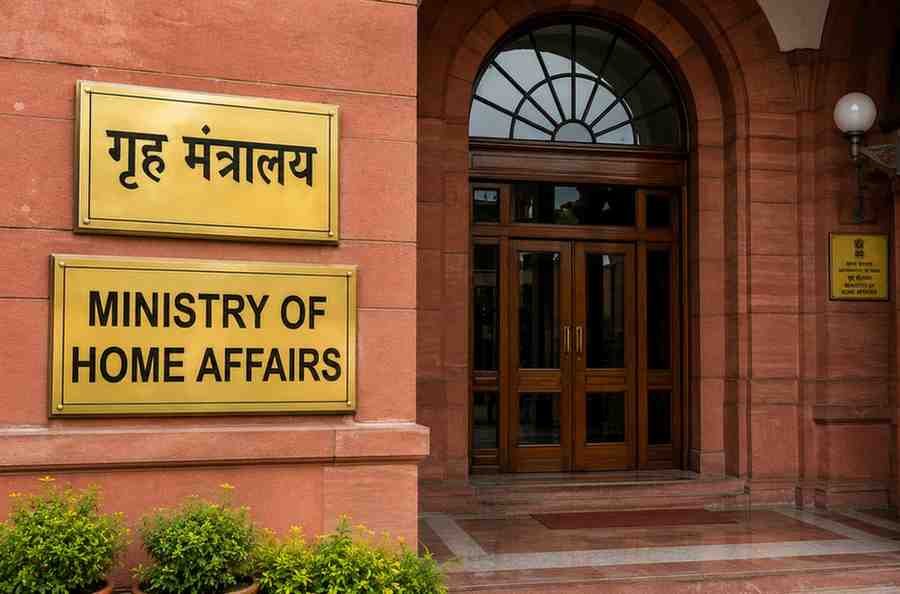
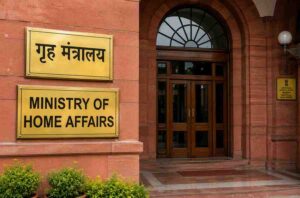
The move was announced through an Extraordinary Gazette Notification issued on July 4, 2026, by the Ministry of Home Affairs (MHA). The notification states that the decision has been taken under the powers vested in the Central Government by Section 35 of the UAPA, which authorises the government to designate individuals as terrorists if it believes they are involved in terrorist activities.
Government invokes UAPA provisions
According to the Gazette notification, the Centre concluded that Mohammad Mussadiq, also known by several aliases including Doctor, Abdul Manan, Sajjad, Hamza, and Wahid Khan, has been actively associated with terrorist activities directed against India.
The notification formally inserts his name into the Fourth Schedule of the UAPA, making him one of the officially designated individual terrorists under Indian law. The Fourth Schedule serves as the statutory list of individuals identified by the government as being involved in terrorism.
Officials said the latest notification reflects the government’s continued policy of targeting not only banned organisations but also key individuals believed to be responsible for planning, facilitating and supporting terror activities.
Alleged association with Jaish-e-Mohammed
The notification identifies Mohammad Mussadiq as a member of Jaish-e-Mohammed, an organisation already banned under Indian law and listed in the First Schedule of the UAPA.
Government records mention that Mussadiq is approximately 38 years old and is believed to be residing in Shakargarh in Pakistan’s Narowal district. According to the notification, he has played an important operational role within the terror organisation and has allegedly coordinated activities aimed at destabilising security in Jammu and Kashmir.
Investigative agencies believe he has served as one of the principal handlers responsible for facilitating the infiltration of terrorists from across the border into Indian territory.
Allegations related to infiltration and terror operations
The Gazette notification attributes several serious allegations to Mohammad Mussadiq, stating that he has been involved in organising infiltration routes for Pakistani terrorists entering Jammu and Kashmir.
The document further alleges that he was linked to activities connected with the terrorist attack on security forces at Sunjwan in Jammu on April 22, 2022. While the notification does not elaborate on operational details, it states that the government considers his role significant enough to warrant designation under the UAPA.
Officials have consistently maintained that cross-border infiltration remains one of the primary methods used by Pakistan-based terrorist organisations to carry out attacks in India. The latest notification underscores the government’s assessment that handlers operating from across the border continue to coordinate such activities.
Alleged drone-based supply of arms
The notification also accuses Mussadiq of facilitating the movement of arms, ammunition and other logistical support through drones operating across the international border.
Indian security agencies have repeatedly expressed concern over the growing use of drones by terrorist organisations to transport weapons, explosives and narcotics into border states. Authorities say these methods reduce the risks associated with traditional infiltration routes while enabling terror modules to receive supplies more efficiently.
The Centre alleges that Mussadiq has been directly involved in coordinating such operations, thereby strengthening terrorist capabilities in the region.
Recruitment through digital platforms
Apart from physical infiltration and logistical assistance, the government has also highlighted Mohammad Mussadiq’s alleged involvement in online radicalisation.
According to the Gazette notification, he is believed to have supervised a network of cyber operatives working for Jaish-e-Mohammed. These individuals are accused of using various social media platforms to spread extremist propaganda, communicate with potential recruits and encourage young people to join terrorist activities.
Security agencies have repeatedly warned that terrorist organisations increasingly rely on digital communication and encrypted online platforms for recruitment, planning and dissemination of propaganda. The notification suggests that these alleged cyber activities formed an important part of the government’s decision to designate him as an individual terrorist.
Also Read: Israel Rejects Reports Of Plot To Kill Iranian Negotiators, Calls Allegations ‘Complete Fabrication’
Legal significance of the designation
The designation of an individual under the UAPA carries significant legal implications. Once included in the Fourth Schedule, the individual is officially recognised as a designated terrorist under Indian law.
The provision, introduced through amendments to the UAPA, enables authorities to take legal action not only against banned organisations but also against individuals accused of directing, financing or facilitating terrorist activities.
Officials believe that identifying specific operatives strengthens investigations, improves intelligence-sharing and enhances cooperation with international agencies involved in combating terrorism.
Continued focus on counter-terror efforts
The latest notification reflects the Centre’s continuing emphasis on dismantling terrorist networks operating against India. Government agencies have consistently stated that their strategy includes identifying handlers, financiers, recruiters and operational planners in addition to targeting terrorist organisations themselves.
Authorities also argue that legal measures under the UAPA complement broader counter-terror initiatives such as enhanced border surveillance, anti-drone technologies, intelligence coordination and cyber monitoring.
The government maintains that these measures are essential to counter evolving security threats posed by cross-border terrorism and the increasing use of technology by extremist organisations.
With the inclusion of Mohammad Mussadiq in the Fourth Schedule, the government has further expanded the list of designated individual terrorists under the UAPA. Officials say the decision reinforces India’s commitment to pursuing legal action against those accused of planning, supporting or facilitating terrorist activities aimed at threatening the country’s sovereignty and security.
Click here to join us on WhatsApp Channel and get all the latest news updates