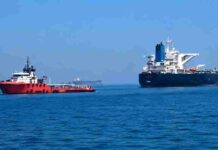
An Indian oil tanker carrying crude oil was reportedly turned back by Iranian authorities after attempting to pass through the Omani shipping corridor in the Strait of Hormuz, adding another layer of uncertainty to maritime operations in one of the world’s most strategically important waterways. The incident comes as tensions remain high following recent attacks on commercial vessels and increased military activity in the Gulf region.
Tanker Redirected to Iranian-Approved Route
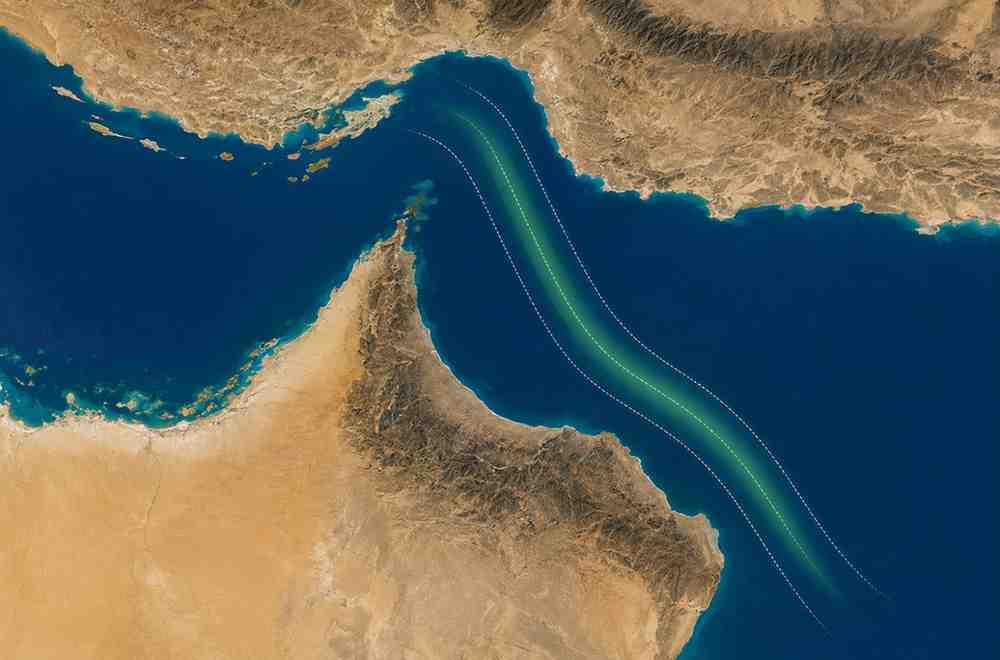
According to reports carried by Iranian media, the Indian-flagged tanker approached the southern shipping lane, commonly referred to as the Omani corridor, while transiting the Strait of Hormuz. Iranian authorities allegedly instructed the vessel to abandon that route and instead use a navigation channel designated by Tehran.
The vessel complied with the instructions and reversed course before entering the corridor. No reports suggested that the tanker was damaged or that its crew faced any immediate danger. Maritime tracking data indicated the ship remained operational following the change in route.
Shipping Routes Under Increased Scrutiny
The Strait of Hormuz remains one of the busiest energy transit routes in the world, with a significant portion of global crude oil and liquefied natural gas exports passing through the narrow waterway each day. Even minor disruptions can have major implications for international energy markets.
Following recent attacks on commercial ships, many operators have altered sailing plans, delayed departures, or chosen alternative routes where possible. Insurance premiums for vessels operating in the Gulf have also risen because of heightened security risks.
Iran Tightens Maritime Controls
Iran has recently stepped up oversight of shipping movements in and around the Strait of Hormuz. Iranian officials maintain that vessels should use navigation channels approved by the country’s maritime authorities to ensure safety amid ongoing regional tensions.
Iranian state-linked media reported that commercial ships are increasingly being guided through routes monitored by Iranian naval forces rather than relying on the southern Omani corridor that many international vessels had preferred in recent weeks.
Growing Impact on Indian Shipping
India is among the largest importers of crude oil transported through the Gulf, making uninterrupted shipping through the Strait of Hormuz vital for the country’s energy security.
Read Also: Trump Announces Iran Ceasefire Collapse, Overshadowing NATO Summit
The tanker involved in the latest incident was reportedly carrying crude oil destined for India. Although the vessel was forced to alter its route, there were no immediate reports of cargo loss or operational damage.
Indian authorities have been closely monitoring developments in the Gulf amid concerns that prolonged instability could affect energy supplies and shipping schedules.
Commercial Shipping Faces Fresh Challenges
Shipping companies operating in the region have been reassessing voyage plans after multiple recent incidents involving merchant vessels. Some tankers have temporarily suspended transit through the Strait, while others have waited in nearby waters until security conditions improve.
Industry experts believe that uncertainty over navigation routes may lead to additional delays, increased transportation costs, and tighter scheduling for global oil deliveries.
Maritime security agencies continue to advise commercial vessels to remain in close communication with regional authorities while transiting high-risk areas.
Oil Markets Watch Developments Closely
Financial markets have reacted cautiously to renewed concerns surrounding the Strait of Hormuz. Traders remain alert to any disruption affecting oil exports from Gulf producers, given the strategic importance of the waterway.
Although global oil supplies have not experienced major interruptions so far, analysts warn that repeated incidents involving commercial shipping could increase market volatility if tensions continue to escalate.
International Concerns Continue
Governments and international shipping organizations continue to monitor the evolving situation closely. Maritime agencies have urged ship operators to follow updated security advisories and maintain vigilance while navigating the Gulf.
Diplomatic efforts to reduce tensions remain ongoing, but repeated incidents involving commercial vessels have highlighted the fragile security environment in the region. Shipping companies are expected to continue reviewing operational procedures until stability returns to one of the world’s most critical maritime trade routes.
Click here to join our WhatsApp Channel for real-time news updates and exclusive coverage.