
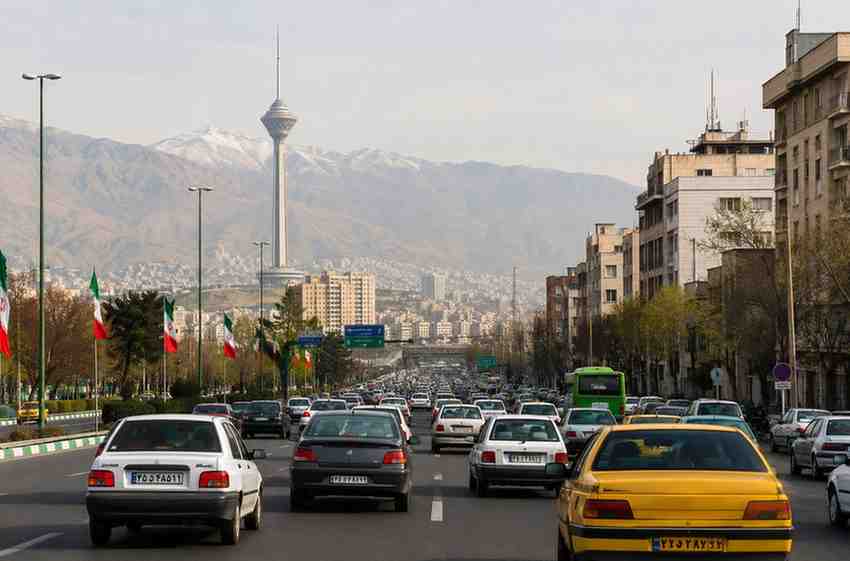
NEW DELHI: The Embassy of India in Tehran has issued a revised travel advisory for Indian nationals, urging them to continue avoiding all non-essential travel to Iran despite acknowledging recent improvements in the country’s overall security environment. The advisory, released on June 24, 2026, reflects India’s cautious approach amid an evolving geopolitical landscape in West Asia.
India Maintains A Balanced Approach
The Embassy stated that it has been continuously monitoring the prevailing security situation in the Islamic Republic of Iran. While positive developments have been observed over the past few days, authorities have emphasized that the situation remains sensitive and unpredictable.
As a precautionary measure, Indian nationals have been advised against undertaking any non-essential travel to Iran until further notice. The move underscores New Delhi’s commitment to safeguarding its citizens overseas amid lingering uncertainties in the region.
Advisory For Indians Already In Iran
The Embassy has issued specific instructions for Indian citizens currently residing in Iran or those who may have to travel there for unavoidable official or functional reasons.
Citizens have been advised to:
- Exercise a high degree of caution.
- Remain vigilant at all times.
- Maintain constant situational awareness.
- Closely follow local developments through credible information sources.
- Strictly comply with instructions issued by Iranian authorities.
Officials stressed that even though tensions have eased compared to previous weeks, circumstances can change rapidly in conflict-prone regions.
Mandatory Registration Encouraged
The Embassy has strongly urged all Indian nationals currently in Iran, as well as those planning to enter the country for essential reasons, to register their details with the mission at the earliest opportunity.
This measure is intended to facilitate communication and emergency assistance if the security situation deteriorates unexpectedly.
The Embassy has also advised citizens to regularly monitor its official website and social media channels for the latest updates and future advisories.
Emergency Contact Details Shared
To ensure immediate assistance during emergencies, the Embassy reiterated its helpline numbers for Indian citizens in Iran.
Emergency contact numbers:
- +989128109115
- +989128109109
- +989128109102
- +989932179359
Email assistance is also available through: cons.tehran@mea.gov.in.
Why India Is Still Being Careful
Although diplomatic efforts are underway to stabilise the region, authorities believe it is too early to declare the crisis over.
Recent developments have indicated improvements in security conditions, but several international agencies continue to warn about potential risks associated with travel and airspace operations across parts of West Asia.
The European Union Aviation Safety Agency has also advised airlines to remain cautious and avoid certain conflict-prone air routes around Iran and neighbouring regions due to persistent security concerns.
India’s measured advisory reflects a broader global assessment that, while tensions may have reduced, the possibility of sudden escalation cannot be ruled out.
Impact On Indian Citizens And Businesses
Iran remains strategically important for India due to energy interests, trade links and infrastructure cooperation, including projects associated with Chabahar Port.
Thousands of Indians, including professionals, students, businesspersons and maritime workers, maintain connections with Iran. Therefore, ensuring their safety remains a top diplomatic priority.
Travel agencies and businesses dealing with Iran are also expected to remain cautious until authorities officially ease restrictions.
The latest advisory serves as a reminder that economic and diplomatic engagement can continue, but personal safety must remain paramount.
The US-Iran Conflict
The fresh advisory comes in the backdrop of the prolonged tensions between the United States and Iran that intensified during 2026. The conflict escalated after military strikes, retaliatory attacks, disruptions in regional airspace and heightened fears of a wider West Asian confrontation. Multiple rounds of diplomatic negotiations followed amid repeated ceasefire violations and international mediation efforts.
Recently, both sides reportedly agreed to pursue a framework aimed at reducing hostilities and working toward a long-term agreement, but global agencies continue to describe the situation as fragile and subject to sudden changes. India’s latest advisory reflects this cautious optimism—acknowledging improving conditions while preparing for any unforeseen developments.