
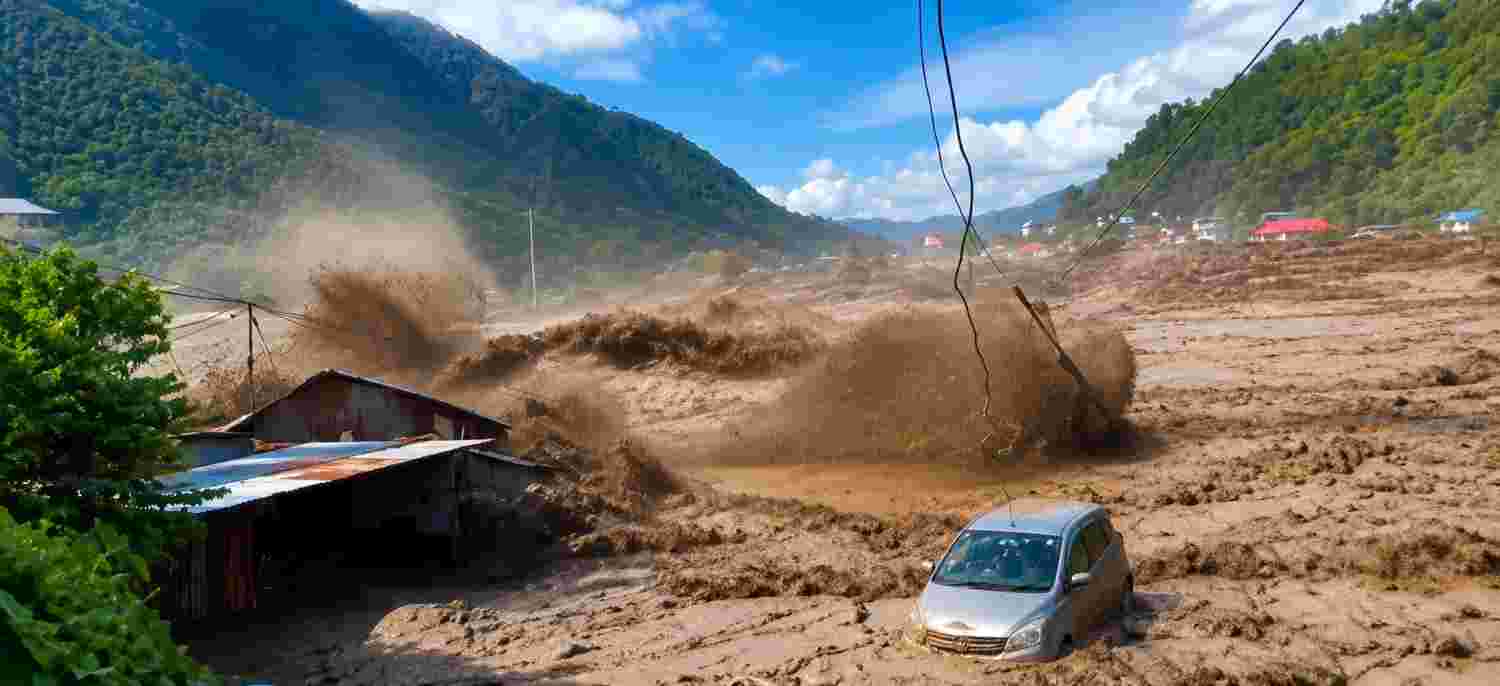
A devastating flash flood swept through northern Nepal on Wednesday, killing people, destroying villages and damaging critical infrastructure near the Nepal-Tibet border. As rescue teams struggled to reach isolated areas, Prime Minister Narendra Modi spoke with Nepalese Prime Minister Balendra Shah and offered India’s full support for humanitarian, rescue and relief operations.
PM Said, “Spoke to Prime Minister Balendra Shah and conveyed condolences on the loss of lives due to the floods in Nepal. The people of India stand in solidarity with their sisters and brothers in Nepal at this difficult time. India is ready to provide all possible humanitarian assistance to Nepal. Our teams are coordinating closely on rescue and relief efforts.”
Flash Flood Ravages Rasuwa and Border Areas
The disaster struck the mountainous Rasuwa district after the Bhote Koshi River suddenly surged, sending powerful torrents through settlements around Timure and Syafrubesi. Vehicles, buildings, roads and other property were swept away by the raging waters, while downstream districts were placed on high alert.
Initial reports said at least eight people had died, with bodies recovered from areas including Rasuwa, Nuwakot and Dhading. However, the casualty figure has continued to evolve as rescue teams gain access to remote locations. Later reports indicated the death toll had risen further, while hundreds of people were reported missing, underscoring the rapidly developing nature of the catastrophe.
The scale of destruction has made rescue operations particularly difficult. Roads and bridges have been damaged or swept away, while swollen rivers and unstable terrain have restricted access to several affected communities. Nepal’s security forces have been deployed to assist with evacuations, search operations and emergency relief.
PM Modi Speaks to Balendra Shah, Offers India’s Support
Against the backdrop of the worsening disaster, Prime Minister Narendra Modi spoke directly with Nepalese Prime Minister Balendra Shah and conveyed his condolences over the loss of lives.
Sharing details of the conversation, Modi said India stands firmly with the people of Nepal during the crisis and is prepared to extend every possible form of humanitarian assistance.
“Spoke to Prime Minister Balendra Shah and conveyed condolences on the loss of lives due to the floods in Nepal,” Modi said.
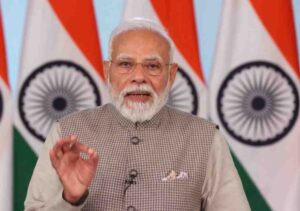
He added that the people of India stand in solidarity with their “sisters and brothers in Nepal” during the difficult period. Modi further assured that Indian teams are coordinating closely with Nepal on rescue and relief efforts.
The outreach reflects the close ties between India and Nepal, particularly during natural disasters and humanitarian emergencies. India has frequently extended assistance to its neighbouring country during major crises, including rescue, medical support and relief operations.
Rescue Teams Race Against Time
Nepal’s government has mobilised the Nepal Army, Nepal Police and Armed Police Force for rescue and relief operations. Helicopters have been deployed, although difficult weather, high water levels and damaged infrastructure have complicated efforts to reach the worst-hit locations.
Authorities have urged residents living near riverbanks to immediately move towards safer areas. People in downstream regions have also been warned to remain alert because further surges could threaten communities along the river system.
The disaster has also reportedly affected security personnel. Nepal Police personnel and members of the Armed Police Force have been reported missing in Rasuwa, adding another layer of urgency to the ongoing search-and-rescue mission.
Hydropower Infrastructure Suffers Major Damage
Beyond the human toll, the floods have inflicted serious damage on Nepal’s infrastructure and energy sector.
Several hydropower and transmission facilities were affected, including Rasuwagadhi, Chilime, Trishuli 3A, Trishuli 3B Hub, Trishuli Hydropower Station and Devighat Hydropower Station. Reports indicated that around 430 megawatts of electricity supply had been affected, representing more than 12% of Nepal’s total hydropower capacity.
Transport links have also suffered extensive damage, with highways and bridges affected by the floodwaters. The destruction could hamper the movement of rescue personnel, medical teams and relief supplies to isolated communities.
Tibet Also Hit by Severe Flooding
The disaster has not been confined to Nepal. Areas across the border in Tibet have also reported major impacts, including damage to roads, communications and electricity infrastructure around Gyirong.
The precise cause of Wednesday’s sudden flooding remains under assessment. Experts and authorities have pointed to the region’s vulnerability to sudden mountain hazards, including glacial and landslide-related events. The Himalayas are particularly exposed to such disasters because of their difficult terrain, rapidly changing weather patterns and fragile mountain ecosystems.
India-Nepal Coordination Intensifies
With rescue operations continuing and the scale of casualties still being assessed, India’s offer of humanitarian assistance has emerged as a significant regional response to the disaster.
PM Modi’s conversation with Balendra Shah signals New Delhi’s readiness to work closely with Kathmandu as rescue teams search for survivors, evacuate vulnerable residents and deliver emergency assistance.
For Nepal, the immediate priorities remain clear: saving lives, locating missing people, restoring access to affected areas and supporting families who have lost homes and loved ones.
As rescue operations continue in the mountainous border region, authorities remain on alert for additional flooding and secondary hazards. The tragedy has once again highlighted the devastating vulnerability of Himalayan communities to sudden natural disasters—and the urgent need for coordinated cross-border rescue, early-warning and humanitarian response systems.
Click here to join our WhatsApp Channel for real-time news updates and exclusive coverage.