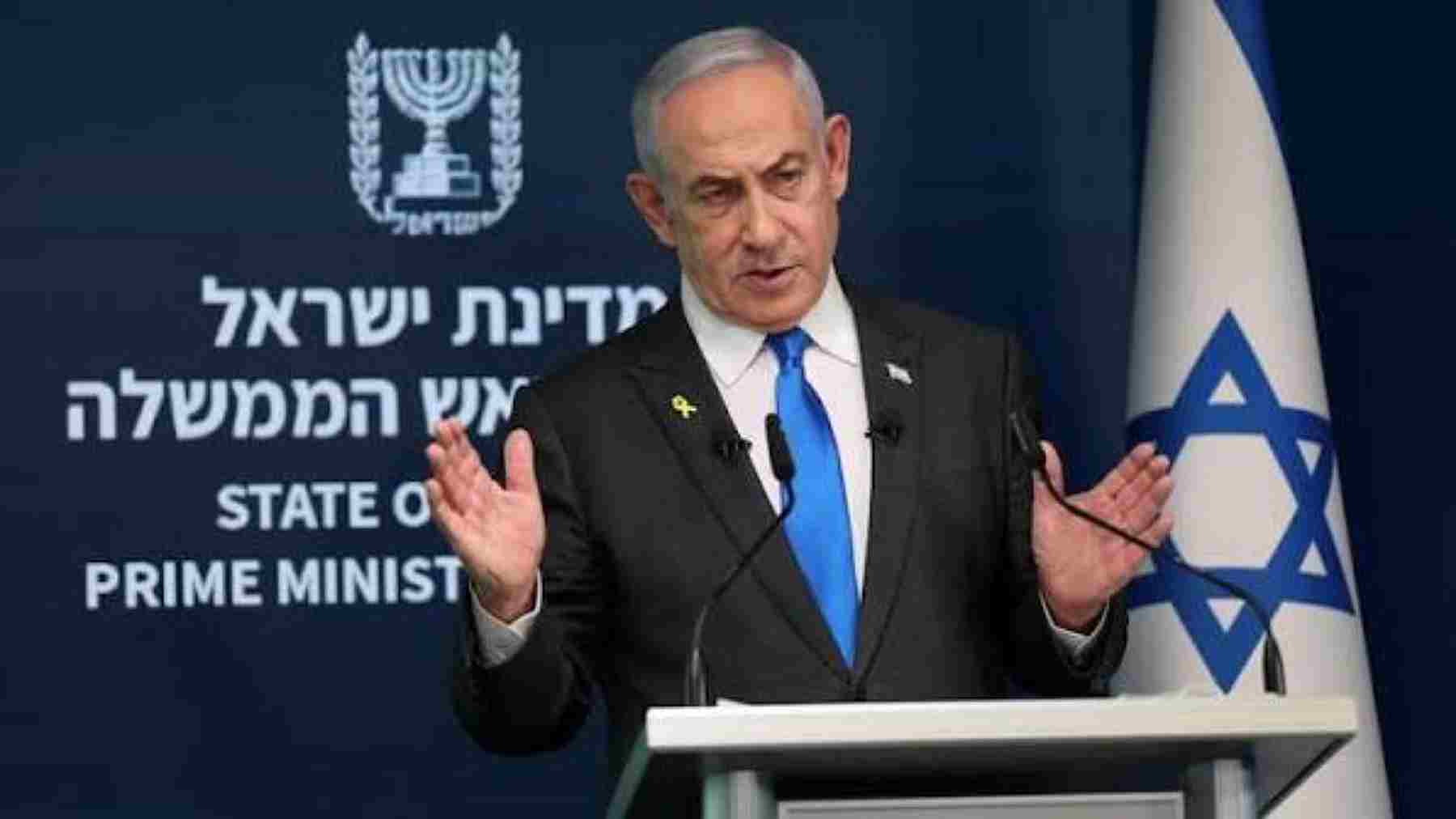
Israeli Prime Minister Benjamin Netanyahu has confirmed that he will travel to New York later this year to attend the United Nations General Assembly despite renewed calls for his arrest linked to an International Criminal Court (ICC) warrant. The announcement comes amid growing political tensions surrounding his planned visit and criticism from New York City Mayor Zohran Mamdani.
Netanyahu made it clear that he has no intention of cancelling the trip, saying he will appear at the UN gathering regardless of political opposition. He described the legal action against him as politically motivated and rejected allegations of war crimes.
Sharp criticism of Zohran Mamdani
The Israeli leader strongly criticised Zohran Mamdani after the New York mayor argued that Netanyahu should face legal action if he entered the United States in connection with the ICC warrant.
Netanyahu accused Mamdani of “fomenting hate” and claimed the mayor’s statements encourage hostility rather than constructive dialogue. He also defended Israel’s military actions, arguing that his government has acted to protect national security following the October 2023 Hamas attack.
Responding to the controversy, Netanyahu said he intends to confront criticism directly instead of avoiding international forums.
Mamdani clarifies legal position
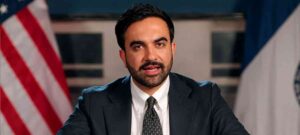
The dispute follows Mamdani’s recent clarification that New York City itself does not possess the legal authority to arrest a visiting foreign leader. While maintaining his support for the ICC warrant, he said any enforcement action would fall under the jurisdiction of the federal government rather than city officials.
Earlier comments from Mamdani had sparked significant debate after he suggested he would support the implementation of the ICC warrant if Netanyahu visited New York.
Background of the ICC warrant
The controversy stems from an ICC arrest warrant issued in connection with alleged war crimes and crimes against humanity during Israel’s military campaign in Gaza.
Netanyahu has consistently rejected the accusations, calling them baseless and politically driven. Israel is not a member of the ICC and disputes the court’s jurisdiction over the matter.
The ICC case has drawn mixed international reactions, with some governments supporting the court’s decisions while others have questioned its authority and legal basis.
UN visit remains on schedule
Despite the legal and political controversy, Netanyahu said preparations for his address at the UN General Assembly are continuing. The annual gathering is expected to bring together world leaders to discuss global security, regional conflicts, climate issues and international cooperation.
His appearance is likely to attract heightened security and widespread diplomatic attention because of the ongoing Gaza conflict and the legal proceedings against him.
Analysts believe his visit could become one of the most closely watched moments of this year’s UN session, with protests and demonstrations also expected outside the venue.
Debate over international law continues
The dispute has renewed debate over how ICC warrants should be handled internationally, particularly when they involve sitting heads of government. Legal experts note that questions surrounding diplomatic immunity, jurisdiction and enforcement remain complex and often depend on domestic laws as well as international obligations.
The United States is not a member of the ICC, adding another layer of complexity to discussions about whether any arrest warrant could be enforced during Netanyahu’s visit.
For now, Netanyahu has reiterated that he will not alter his travel plans, insisting he will address the international community at the United Nations despite criticism and legal challenges. The episode highlights the continuing divisions over the Gaza conflict, international justice and the role of global institutions in addressing wartime allegations.
Click here to join our WhatsApp Channel for real-time news updates and exclusive coverage.