HYDERABAD: The Hyderabad City Police Food Adulteration Surveillance Team (H-FAST), in coordination with Greater Hyderabad Municipal Corporation (GHMC) veterinary officials, has dismantled a major inter-state illegal chicken waste transportation network operating across the city.
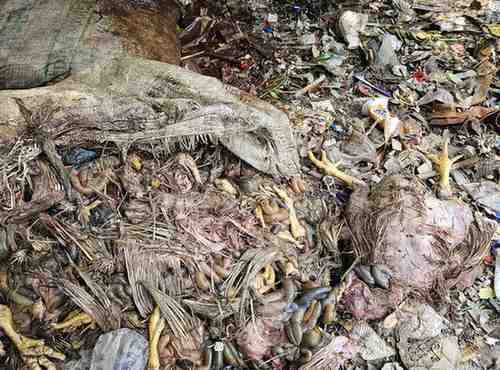
Acting on specific intelligence inputs, joint enforcement teams conducted simultaneous raids at multiple locations, including Amberpet, Kulsumpura, Attapur, and Rajendranagar. During the operation, authorities seized seven transport vehicles carrying nearly 90 tons of raw chicken waste, uncovering what officials described as a large-scale illegal waste handling and transportation racket.
According to investigators, the waste was collected from various chicken retail outlets across Hyderabad and transported without the necessary permits and regulatory approvals. Officials found that the waste was not being sent to the designated rendering facility at Chengicherla, where poultry by-products are meant to be scientifically processed and disposed of.
Instead, the seized material was allegedly being moved to several locations in Andhra Pradesh, including Bhimavaram, Eluru, Bheemadolu, and Undi. Authorities suspect the poultry waste was intended to be used as feed in commercial fish farming operations, a practice that is prohibited due to the serious health and environmental risks associated with it.
Following the raids, cases were registered against those allegedly involved in the operation. Legal proceedings have been initiated, and further investigations are underway to identify all individuals and businesses connected to the network.
Officials stated that the confiscated chicken waste was safely disposed of by GHMC veterinary teams in accordance with prescribed safety and sanitation protocols, preventing any possibility of the material entering the food chain.
Authorities have also issued a public advisory warning against the illegal use of raw poultry waste in aquaculture. Experts note that feeding fish with untreated chicken waste can introduce harmful bacteria, viruses, parasites, and other contaminants into water bodies and aquatic ecosystems. Such contaminants may eventually reach consumers through fish sold in markets, creating potential public health hazards.
The enforcement action is part of Hyderabad’s ongoing efforts to curb food adulteration and strengthen food safety standards. Officials emphasized that strict action will continue against individuals and organizations involved in illegal waste disposal, food adulteration, and activities that threaten public health.
Citizens, poultry shop owners, and traders have been urged to cooperate with authorities and report any suspicious storage, dumping, or transportation of poultry waste. Officials believe public participation is essential in preventing such illegal practices and ensuring food safety.
What is Food Adulteration?
Food adulteration refers to the act of lowering the quality, purity, or safety of food by adding harmful, substandard, or unauthorized substances, or by handling food in an unsafe manner. It can occur intentionally for profit or due to negligence during production, storage, transportation, or sale.
In the context of the chicken waste racket, the concern is that illegally using raw poultry waste as fish feed may contaminate fish with disease-causing microorganisms and harmful biological agents. When such fish enter the market, consumers may unknowingly be exposed to health risks.
Food adulteration can lead to foodborne illnesses, digestive disorders, infections, and long-term health complications. Regulatory agencies therefore enforce strict rules on food production, waste disposal, and animal feed practices to protect public health and maintain food safety standards.