KOLKATA: Kolkata witnessed a major political and administrative development on Friday as senior Trinamool Congress (TMC) leader and Kolkata Mayor Firhad Hakim resigned from his post, bringing an end to a tenure that lasted nearly seven and a half years. The resignation comes months before the completion of the current municipal term and has sparked discussions across West Bengal’s political landscape.
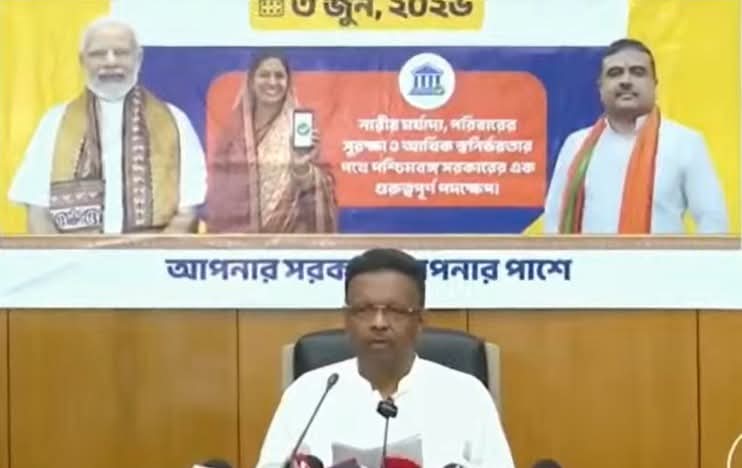
Firhad Hakim, popularly known as “Bobby” among party workers and supporters, announced his decision during a press conference at the Kolkata Municipal Corporation (KMC) headquarters. He stated that he had sought permission from TMC supremo and West Bengal Chief Minister Mamata Banerjee before stepping down and that she had agreed to his request.
Explaining the reasons behind his resignation, Hakim said he no longer felt he could perform his responsibilities in the manner expected of the city’s first citizen. He stressed that the dignity and prestige associated with the mayor’s office should not be compromised under any circumstances. According to him, continuing in the post without adequate authority or the ability to function effectively would diminish the stature of the office.
The veteran TMC leader said that during his tenure he had worked with commitment and determination, particularly during challenging periods such as the COVID-19 pandemic and Cyclone Amphan. He recalled that those years demanded constant coordination and public engagement, and he took pride in leading civic efforts during emergencies. However, he indicated that the current circumstances were different and had made it increasingly difficult for him to continue in the same role.
Sources close to Hakim have suggested that administrative changes and evolving power structures within the civic administration contributed to his decision. Reports indicate that the role of senior bureaucratic officials in municipal affairs had expanded, limiting the mayor’s ability to exercise authority over several day-to-day administrative matters. These developments reportedly created frustration within sections of the civic leadership.
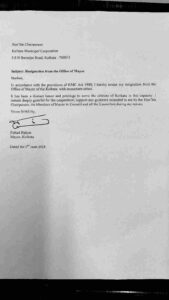
Hakim formally submitted his resignation to KMC Chairperson Mala Roy. While stepping down, he expressed gratitude to the people of Kolkata and his colleagues in the municipal administration. He also acknowledged that several projects initiated during his tenure remain unfinished and wished success to whoever takes charge of the corporation in the future.
His resignation comes at a politically sensitive time in West Bengal. The TMC has been dealing with internal discussions and organizational adjustments following recent political developments in the state. Political observers believe Hakim’s departure from the mayoral post could trigger further changes within the civic and party structure in Kolkata.
Hakim has been one of the most prominent faces of the Trinamool Congress in Kolkata. A long-time councillor and legislator, he first became Mayor of Kolkata in 2018 after the resignation of his predecessor. Over the years, he played a central role in overseeing civic administration, infrastructure projects, sanitation initiatives and urban development programmes in the city. He continued to retain significant influence within the corporation and remained one of the key leaders of the ruling party in the state.
Throughout his tenure, Hakim frequently highlighted issues such as cleanliness, drinking water supply, environmental management and civic services. His administration also faced major challenges during the pandemic period, when the corporation had to coordinate public health measures, sanitation drives and relief operations across Kolkata.
Political reactions to the resignation are expected to intensify in the coming days as the focus shifts to who will succeed him. The Kolkata Municipal Corporation remains one of the most influential urban local bodies in India, and the choice of the next mayor will carry significant political importance ahead of future civic and electoral contests.
For now, Hakim has maintained that his decision was guided by institutional dignity rather than personal considerations. By stepping aside, he said, he wished to uphold the respect attached to the office he held for several years. His resignation marks the end of an important chapter in Kolkata’s civic administration and opens a new phase in the city’s municipal politics.