
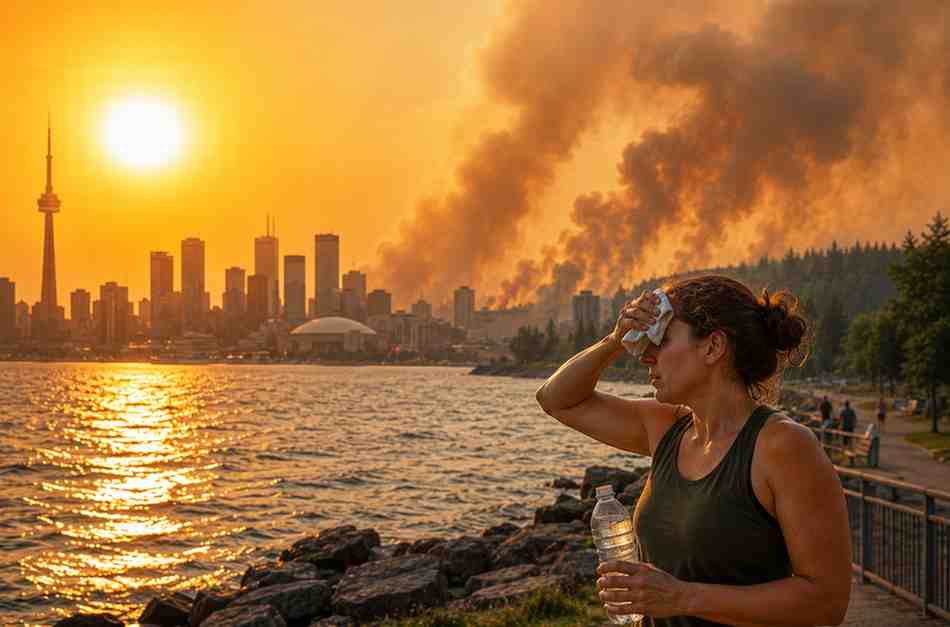
North America is facing another spell of dangerous weather as an intense heatwave stretches across large parts of the United States and Canada, pushing temperatures to record levels and prompting widespread health advisories. Authorities have also issued air quality warnings in several regions as wildfire smoke combines with extreme heat, creating hazardous conditions for millions of residents.
Record-Breaking Heat Across the Region
Meteorologists say a powerful high-pressure system, commonly known as a “heat dome,” has trapped hot air over much of North America, driving daytime temperatures well above seasonal averages. Several cities have either matched or surpassed long-standing heat records, with forecasts indicating that the dangerous conditions could continue for several more days.
More than 100 million Americans are expected to experience excessive heat, with many areas recording temperatures above 38°C (100°F). Some locations are also witnessing unusually warm nights, offering little relief from the scorching daytime heat and increasing the risk of heat-related illnesses.
In Canada, provinces including Ontario and parts of the Prairies are also enduring exceptionally high temperatures. Officials have warned residents to remain hydrated, avoid prolonged outdoor activities and check regularly on elderly family members and vulnerable neighbours.
Wildfire Smoke Worsens Air Quality
The extreme heat has been accompanied by deteriorating air quality caused by smoke from numerous wildfires burning across Canada and parts of the northern United States. Strong winds have carried smoke hundreds of kilometres, blanketing major urban centres with a thick haze.
Air quality alerts have been issued in several regions, with health authorities warning that fine particulate pollution can aggravate asthma, heart disease and other respiratory illnesses. Children, older adults and individuals with pre-existing health conditions are considered especially vulnerable.
Experts have advised residents to remain indoors whenever possible, keep windows closed, use air filtration systems and wear high-quality masks if outdoor travel becomes necessary.
Health Risks Increase
Medical professionals are urging people to take the heatwave seriously, noting that prolonged exposure to high temperatures can lead to dehydration, heat exhaustion and potentially fatal heatstroke.
Emergency departments in several affected regions have reported an increase in patients suffering from heat-related illnesses. Authorities have opened cooling centres in many cities to provide relief for people without access to air conditioning.
Officials are encouraging residents to drink water regularly, wear lightweight clothing, avoid strenuous physical activity during peak afternoon hours and never leave children or pets inside parked vehicles.
Infrastructure Under Pressure
The prolonged heat is also placing considerable stress on electricity grids as demand for air conditioning continues to surge. Utility companies have urged consumers to conserve electricity during peak hours to reduce pressure on power systems.
Transportation networks are also monitoring potential impacts, including heat-related stress on railway tracks, road surfaces and other infrastructure that can be affected by prolonged high temperatures.
Also Read: MEA Clarifies Indian Passport Is Travel Document, Not Standalone Proof Of Citizenship
Meanwhile, firefighters remain engaged in battling multiple wildfires across Canada and parts of the United States, where dry vegetation and strong winds continue to fuel new blazes.
Climate Experts Warn of Growing Trend
Climate scientists say the latest heatwave reflects a broader pattern of increasingly frequent and intense extreme weather events. Rising global temperatures have increased the likelihood of prolonged heatwaves, while dry conditions have contributed to larger and more destructive wildfire seasons.
Researchers note that warmer conditions allow the atmosphere to retain more heat and moisture, increasing the intensity of heatwaves and extending wildfire seasons across North America.
The combination of record temperatures and widespread wildfire smoke has become an increasingly common challenge during summer months, raising concerns about long-term public health and environmental impacts.
Authorities Issue Safety Advice
Government agencies continue to advise residents to monitor official weather forecasts and air quality updates as conditions evolve.
People are encouraged to:
- Stay hydrated throughout the day.
- Limit outdoor activities during extreme heat.
- Seek air-conditioned or shaded environments.
- Monitor elderly relatives, children and those with chronic illnesses.
- Follow local wildfire and evacuation advisories where necessary.
Meteorologists expect some regions to receive temporary relief later in the week as weather systems shift. However, officials caution that dangerous heat and poor air quality could persist in several areas until cooler conditions arrive.
The latest heatwave highlights the growing challenges posed by extreme weather across North America, with authorities emphasizing preparedness and public awareness as essential measures to reduce health risks during prolonged periods of excessive heat.
Click here to join our WhatsApp Channel for real-time news updates and exclusive coverage.