
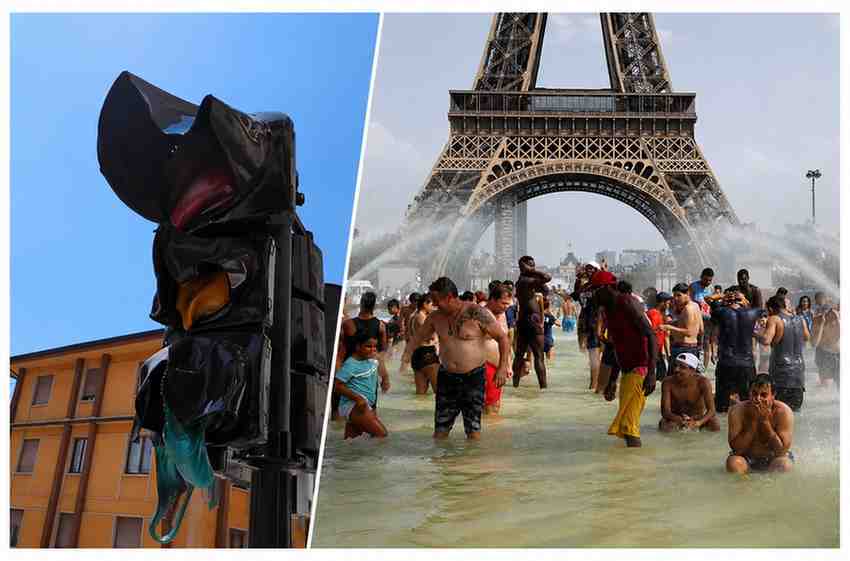
Europe is battling one of its most severe heatwaves in recent history, with soaring temperatures claiming lives, disrupting transportation and putting immense pressure on public services. From melting roads in France to warped tram tracks in Germany, the relentless heat has exposed the vulnerability of infrastructure across the continent while health authorities struggle to cope with the growing humanitarian impact.
Rising death toll alarms health authorities
The World Health Organization (WHO) has warned that the current heatwave has become a major public health emergency. Officials estimate that more than 1,300 excess deaths have been linked to the extreme temperatures since June 21, with France among the worst-affected countries. Many of the victims are elderly people, individuals with pre-existing health conditions and those living alone without access to adequate cooling facilities.
French health authorities reported around 1,000 additional deaths during the peak of the heatwave, with hospitals, nursing homes and emergency services facing unprecedented pressure. Authorities believe the final death toll could rise further as investigations continue into heat-related fatalities.
Roads Melt and Tram Tracks Bend
The unprecedented temperatures have also caused serious damage to transport infrastructure. In several parts of France, roads have softened and begun to melt under the intense heat, forcing authorities to restrict traffic and begin emergency repairs.
Germany has witnessed tram tracks buckle due to thermal expansion, disrupting public transport services in several cities. Railway operators across parts of Europe have reduced train speeds to minimise the risk of accidents caused by warped rails, resulting in widespread travel delays.
Engineers say much of Europe’s transport infrastructure was designed for moderate summer temperatures and is increasingly struggling to cope with prolonged periods above 40 degrees Celsius.
Hospitals and Emergency Services Overwhelmed
Medical facilities across several European countries have reported a sharp increase in heatstroke, dehydration and respiratory emergencies. Ambulance services have been responding to a significantly higher number of emergency calls as vulnerable populations suffer from the prolonged heat.
Authorities have urged residents to remain indoors during the hottest hours of the day, drink plenty of water and regularly check on elderly family members and neighbours. Cooling centres have also been opened in several cities to provide temporary relief for people without access to air conditioning.
Air Conditioning Demand Surges
As temperatures continue to remain well above seasonal averages, demand for air conditioning has surged across Europe. Hotels, shopping centres and public buildings equipped with cooling systems have seen a rise in visitors seeking relief from the extreme weather.
However, many residential buildings, particularly in France, remain without air conditioning because historically such extreme heat has been rare. The current crisis has reignited debates about adapting urban infrastructure to increasingly frequent climate extremes.
Climate Scientists Issue Stark Warning
Climate scientists have said the extraordinary heatwave bears the unmistakable signature of human-induced climate change. According to researchers, weather conditions of this intensity have become dramatically more likely due to global warming.
Experts warn that Europe, recognised as one of the world’s fastest-warming regions, must invest in climate-resilient infrastructure, improved urban planning and stronger public health preparedness to reduce future risks.
Governments Step Up Emergency Measures
Several European governments have activated emergency response plans, including issuing red heat alerts, expanding emergency medical services and advising employers to protect outdoor workers.
Local administrations are also monitoring electricity demand as power consumption rises due to cooling requirements. Officials remain concerned that prolonged high temperatures could further strain transport networks, healthcare systems and energy infrastructure if the heatwave persists.
Heatwave Expected to Shift East
Meteorologists expect the hottest conditions to gradually move toward Central and Eastern Europe in the coming days. While some western regions may experience temporary relief, forecasters warn that countries further east could soon face similarly dangerous temperatures.
Authorities across Europe continue urging residents to follow official weather advisories, stay hydrated and avoid unnecessary outdoor activities during peak afternoon hours as the continent confronts one of its most intense climate events on record.