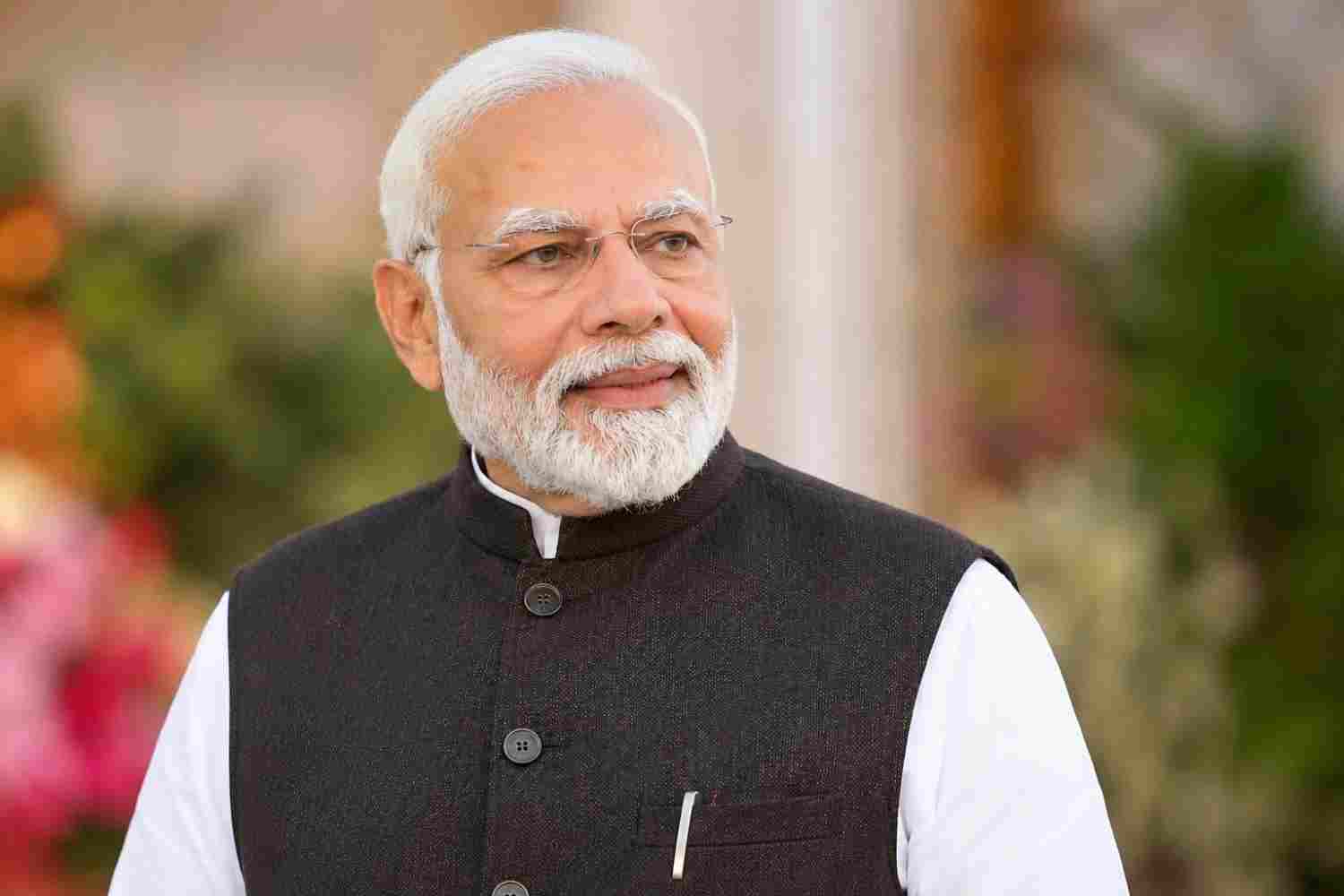
New Delhi is preparing for a major diplomatic gathering as India gets ready to host the 18th BRICS Leaders’ Summit on September 12 and 13. Prime Minister Narendra Modi has described the preparations as complete, while Russian President Vladimir Putin is expected to arrive in India shortly ahead of the high-profile meeting.
The summit will take place at Bharat Mandapam in New Delhi as India concludes its year-long BRICS chairship. Leaders from the expanded BRICS grouping are expected to deliberate on economic cooperation, technology, energy and food security, global governance and major international developments.
PM Modi Says India Is “All Set” for BRICS 2026
Prime Minister Narendra Modi on Thursday shared a video showcasing Bharat Mandapam ahead of the summit and said India was “all set” for BRICS 2026.
The venue has been prepared to welcome leaders and senior representatives from BRICS countries and partner nations. The summit is being organised under India’s chairship and is expected to underline New Delhi’s priorities of resilience, innovation, cooperation and sustainability.
India has been leading BRICS throughout 2026, with the chairship focused on strengthening cooperation among emerging economies while placing people-centric development at the centre of the grouping’s agenda.
Putin, Xi Jinping Among Key Leaders Attending
Russian President Vladimir Putin is among the most prominent leaders expected in New Delhi. His arrival is being closely watched as India and Russia continue to maintain strong strategic and economic ties.
Putin is scheduled to meet Prime Minister Modi on Friday on the sidelines of the summit. Their talks are expected to cover important bilateral and international issues, with energy and defence cooperation among the areas attracting attention.
Chinese President Xi Jinping is also set to attend the summit. His visit carries particular diplomatic significance as it marks his first trip to India in seven years. The visit comes as New Delhi and Beijing seek to stabilise bilateral relations following years of tensions along the border.
Iranian President Masoud Pezeshkian, South African President Cyril Ramaphosa and Indonesian President Prabowo Subianto are also among the major leaders expected to participate. UN Secretary-General Antonio Guterres is scheduled to attend as well.
Global Economy and Geopolitics Dominate Agenda
The BRICS discussions are expected to extend well beyond traditional economic cooperation. Food and energy security, healthcare, disaster resilience and critical supply chains will feature prominently.
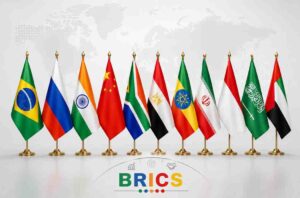
Leaders are also expected to discuss trade and investment, connectivity, cross-border payment systems, the use of national currencies, support for MSMEs, digital commerce and artificial intelligence.
Development financing, climate resilience and the future expansion of the New Development Bank are also expected to receive attention. Reform of international financial and political institutions will form another important component of the discussions.
The summit is taking place against a complicated geopolitical backdrop. The Russia-Ukraine conflict, the Middle East crisis, instability around the Strait of Hormuz and continuing international trade tensions are expected to influence discussions among participating countries.
The US tariff policies and changing patterns in global commerce could also shape the economic conversations during the summit.
New Delhi Declaration Could Face Tough Negotiations
One of the major outcomes expected from the meeting is a New Delhi Declaration. However, reaching consensus could prove challenging because BRICS decisions are based on agreement among members.
Also Read — BRICS 2026: Xi Jinping To Visit India, Raising Hopes For Major Diplomatic Breakthrough
The expansion of the grouping has brought together countries with different geopolitical interests and positions on several international conflicts. The ongoing tensions involving Iran and the United Arab Emirates, for instance, could make negotiations on sensitive geopolitical language more complicated.
Nevertheless, India is expected to push for constructive dialogue and greater cooperation among members, particularly on issues affecting developing economies.
Two-Day Programme Packed With Key Events
The leaders’ programme begins on September 12 with a closed-door session focusing on inclusive global governance and stronger multilateralism.
Leaders will subsequently visit the Bharat Innovates Exhibition before participating in a family photograph and joint tree-planting ceremony. Prime Minister Modi will host a gala dinner later in the evening.
BRICS Summit 2026: Delhi Fortifies Security With 15,000 Police Personnel
The second day will feature the main open session, titled “Resilience, Innovation, Cooperation and Sustainability: Shaping the Future for Inclusive Global Growth.” The summit is expected to conclude with the adoption of the New Delhi Declaration.
Massive Global Media Presence and Cultural Showcase
The summit is expected to attract around 1,200 to 1,300 journalists from India and abroad. An International Media Centre is being established at Bharat Mandapam to facilitate coverage of the event.
India is also preparing a cultural showcase for visiting leaders. Around 160 artistes from India and other BRICS countries are expected to perform the “BRICS Symphony” during the Prime Minister’s gala dinner, combining traditional music and dance.
India’s Fourth BRICS Chairship
India assumed the BRICS chairship on January 1, 2026, marking its fourth time leading the grouping after previous chairships in 2012, 2016 and 2021.
Under this year’s theme, “Building for Resilience, Innovation, Cooperation and Sustainability,” India has conducted more than 350 meetings and high-level engagements across more than 25 cities.
With the summit bringing together major powers and emerging economies, New Delhi is set to become the centre of intense diplomatic engagement over the weekend. The presence of Putin, Xi Jinping and other global leaders gives the 2026 BRICS summit added geopolitical weight, while India’s leadership will be closely watched for its ability to build consensus on economic cooperation, global governance and pressing international crises.
Click here to join our WhatsApp Channel for real-time news updates and exclusive coverage.