NEW DELHI: Rural poverty in India has witnessed a dramatic decline over the past 12 years, falling from 26% in 2012 to less than 5% in 2024, according to recent estimates. The development marks one of the most significant socio-economic transformations in the country, with millions of rural households moving out of poverty through a combination of welfare initiatives, financial inclusion programs, and technology-driven governance.
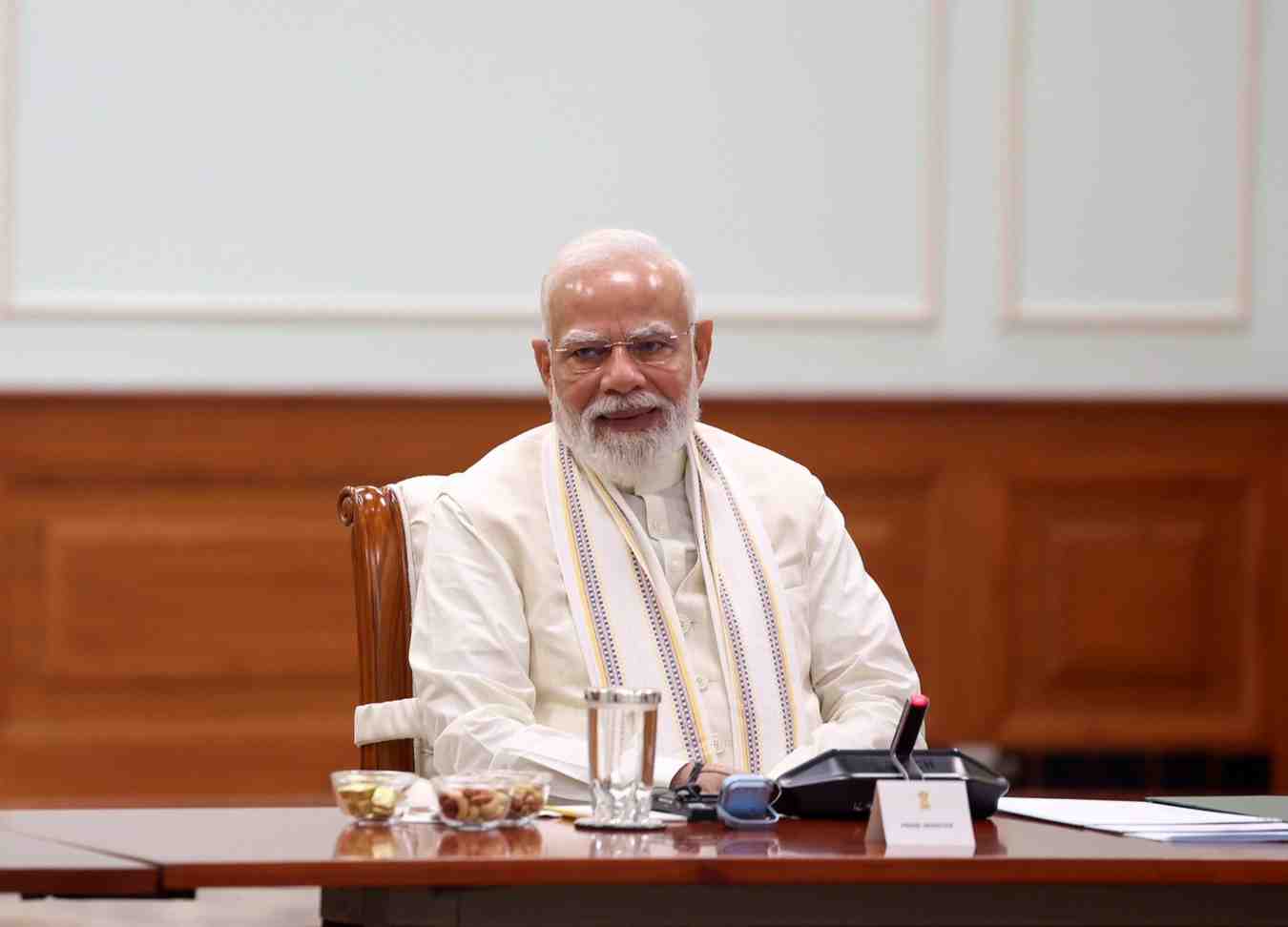
Highlighting the achievement, Prime Minister Narendra Modi said the welfare of the poor has remained at the center of the government’s policies and development agenda.
“Over the last 12 years, India has witnessed many transformations and at the core of these changes is the welfare of the poor and downtrodden. We have always been inspired by Antyodaya and our effort has always been to ensure that the benefits of development reach those who were left behind for decades,” the Prime Minister said.
The sharp decline in rural poverty has been attributed to a series of flagship schemes aimed at improving access to housing, sanitation, healthcare, drinking water, banking services, and social welfare benefits. Government officials say these programs have helped improve living standards while strengthening economic security among vulnerable households.
Among the major initiatives cited by the government are the Pradhan Mantri Jan Dhan Yojana, which expanded access to banking services for millions of citizens, and the Direct Benefit Transfer (DBT) system, which allows welfare funds to be credited directly into beneficiaries’ accounts. Other schemes such as the Swachh Bharat Mission, Pradhan Mantri Awas Yojana, Jal Jeevan Mission, and Ayushman Bharat have focused on sanitation, housing, drinking water access, and healthcare coverage respectively.
Referring to these efforts, Modi said on X, “From Jan Dhan accounts and Direct Benefit Transfer to Swachh Bharat, PM Awas Yojana, Jal Jeevan Mission, Ayushman Bharat and more, every initiative has been driven by a simple objective of ensuring people have dignity and opportunity.”
The Prime Minister also emphasized the role of technology in enhancing welfare delivery and ensuring transparency in governance. Over the past decade, India has increasingly relied on digital platforms and direct transfer mechanisms to distribute subsidies and government benefits, reducing delays and minimizing leakages.
“It is also gladdening that technology has played a vital role in ensuring a better quality of life for the poor. Through Direct Benefit Transfer and digital platforms, support is reaching people directly and transparently. This has reduced leakages, improved efficiency and strengthened trust in governance,”PM Modi stated.
Experts note that digital infrastructure, including Aadhaar-linked services, mobile connectivity, and widespread banking access, has significantly improved the reach of welfare programs. The integration of technology into public service delivery has enabled beneficiaries to receive support more efficiently while reducing opportunities for corruption and administrative inefficiencies.
The reduction in poverty levels also reflects broader improvements in rural infrastructure and social development indicators. Expanded electricity coverage, improved road connectivity, better sanitation facilities, access to clean drinking water, and increased healthcare availability have contributed to improving quality of life across rural India.
While challenges related to employment generation, income growth, and regional disparities remain, policymakers view the decline in poverty as evidence that targeted welfare interventions can deliver measurable social and economic outcomes when supported by effective implementation mechanisms.
Modi described the progress as part of a larger mission aimed at empowering citizens rather than merely providing assistance.
“This is how the journey of furthering Garib Kalyan has become a collective movement towards human empowerment and realising our dream of a Viksit Bharat,” he said.
As India continues its development journey, the reported reduction in rural poverty is being seen as a major milestone, reflecting the impact of welfare-driven governance and technology-enabled service delivery on millions of lives across the country.