
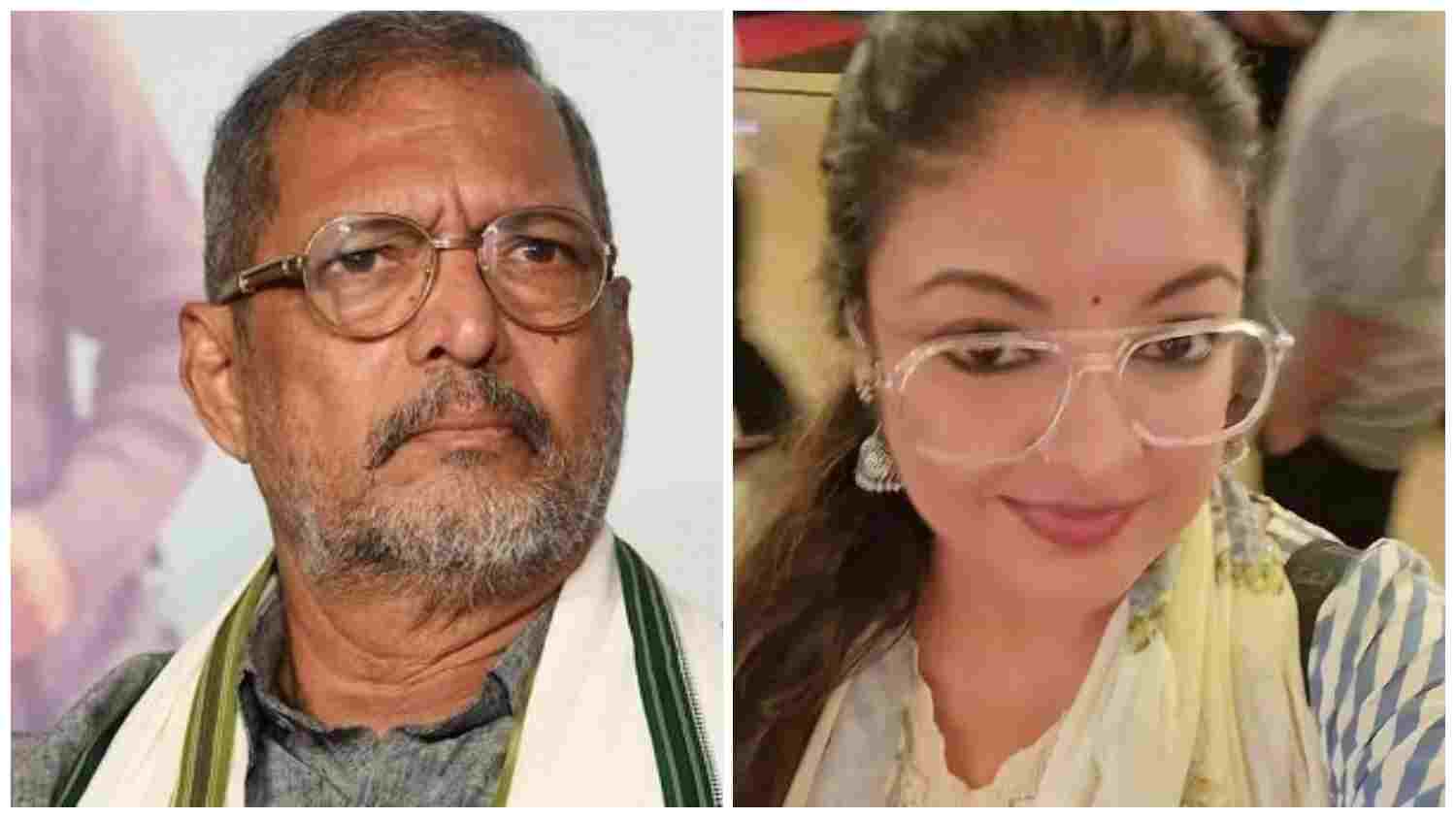
The All Indian Cine Workers Association (AICWA) has strongly criticised actress Tanushree Dutta following her controversial reaction to the reported death of veteran Bollywood actor Nana Patekar. The film workers’ organisation described her use of the phrase “evil dead” as insensitive and accused her of seeking publicity at a time when the film industry was mourning the actor.
The controversy has drawn fresh attention to the troubled history between Dutta and Patekar, whose names became closely associated during India’s #MeToo movement in 2018. The latest developments have triggered renewed discussion about personal experiences, public criticism and the responsibilities of celebrities when commenting on a death.
AICWA Condemns Tanushree Dutta’s Controversial Remarks
In a statement issued on October 8, AICWA founder and president Suresh Shyamlal Gupta expressed strong disapproval of Dutta’s social media comments about Patekar.
The association argued that her choice of words was inappropriate and disrespectful, particularly when the actor’s family, colleagues and admirers were paying tribute to his life and career.
The organisation accused Dutta of using the moment for what it described as “cheap publicity”. It also appealed for greater restraint and sensitivity when discussing someone who has died.
According to the association, the occasion called for condolences and respectful remembrance rather than provocative remarks. It maintained that the words used by Dutta crossed a line of acceptable public behaviour.
AICWA also criticised her for mentioning her professional commitments in Lucknow while discussing the news. The organisation argued that highlighting personal work plans during a period of mourning reflected poor judgement.
Gupta’s statement concluded with condolences to Patekar’s family and prayers for the late actor’s soul.
What Did Tanushree Dutta Say About Nana Patekar?
Dutta’s reaction emerged through social media videos following news of Patekar’s death. In one of her posts, she used the expression “evil dead”, a phrase that quickly attracted attention and criticism.

Her comments stood apart from the tributes being shared by several members of the entertainment industry. The remark prompted questions about the bitter history between the two actors and the emotions surrounding their past dispute.
Dutta subsequently defended her perspective, explaining that her experiences following the #MeToo controversy had caused her considerable distress.
She said the difficulties she experienced over the years should also be considered when interpreting her response. She alleged that she had faced pressure to withdraw her complaint and claimed that she had received offers intended to persuade her to abandon it.
Dutta also referred to alleged troubling incidents during that period, including damage to her car’s brakes, an accident and food poisoning. These remain her allegations and should not be treated as independently established facts.
Her response has therefore added another dimension to the controversy: while AICWA has focused on the timing and language of her remarks, Dutta has emphasised the personal experiences she says shaped her reaction.
The 2018 #MeToo Controversy Explained
The dispute between Dutta and Patekar dates back to the filming of Horn ‘Ok’ Pleassss. Dutta publicly accused Patekar of sexual harassment, alleging that an incident took place during the production in 2008.
Her allegations became prominent in 2018, when India’s #MeToo movement brought accounts of alleged sexual harassment and workplace misconduct into the national spotlight.
The controversy generated widespread discussion about working conditions in the entertainment industry, the treatment of women who report misconduct and the challenges of seeking accountability in powerful professional environments.
Patekar denied the allegations. Police registered a case following the controversy, but the investigation was closed in 2019, with insufficient evidence cited as the reason for not proceeding further. Subsequent legal proceedings also came to an end, with a court reportedly dismissing the criminal proceedings in 2025 on limitation grounds.
Also Read | Delhi: “Don’t Use Hammer To Kill Fly”; Supreme Court Slams Metro Closure Plan Ahead Of CJP Protest
The distinction between allegations and established findings remains important. The dispute shaped public debate, but the accusations should not be presented as proven facts.
Nana Patekar’s Legacy Beyond Bollywood
AICWA’s statement also highlighted Patekar’s contributions outside cinema. The organisation referred to his Padma Shri award, his service during the Kargil War and his association with the Naam Foundation, which supports families affected by agrarian distress.
Patekar built a long career in Indian cinema, earning recognition for intense performances across Hindi and Marathi films. His work established him as a prominent actor, while his public initiatives brought attention to his involvement in social causes.
The association said it stood with his family during their period of grief and urged people to remember his contributions.
The competing reactions to his death have also illustrated how a public figure’s legacy can be viewed differently by different people, particularly when past allegations and unresolved personal grievances remain part of the public conversation.
Controversy Reignites Debate Over Celebrity Statements
The confrontation between AICWA and Dutta has reignited discussions about the boundaries of public expression, especially when a controversial personal history intersects with a death.
Critics of Dutta’s remark have questioned whether such language was appropriate, while her explanation has highlighted the emotional consequences she says followed her public allegations.
The episode also raises a broader question about how the entertainment industry responds when public mourning collides with long-standing disputes. Calls for sensitivity must be considered alongside the importance of allowing individuals to describe their own experiences.
For now, AICWA’s condemnation and Dutta’s defence have placed their disagreement back in the headlines. The controversy has once again brought the 2018 #MeToo debate into focus, underscoring how allegations, public perception and personal experiences can continue to shape conversations long after the original events.
The dispute also serves as a reminder that reporting on sensitive celebrity controversies requires clear attribution, careful language and a distinction between verified facts and allegations made by the people involved.
Click here to join our WhatsApp Channel for real-time news updates and exclusive coverage.