
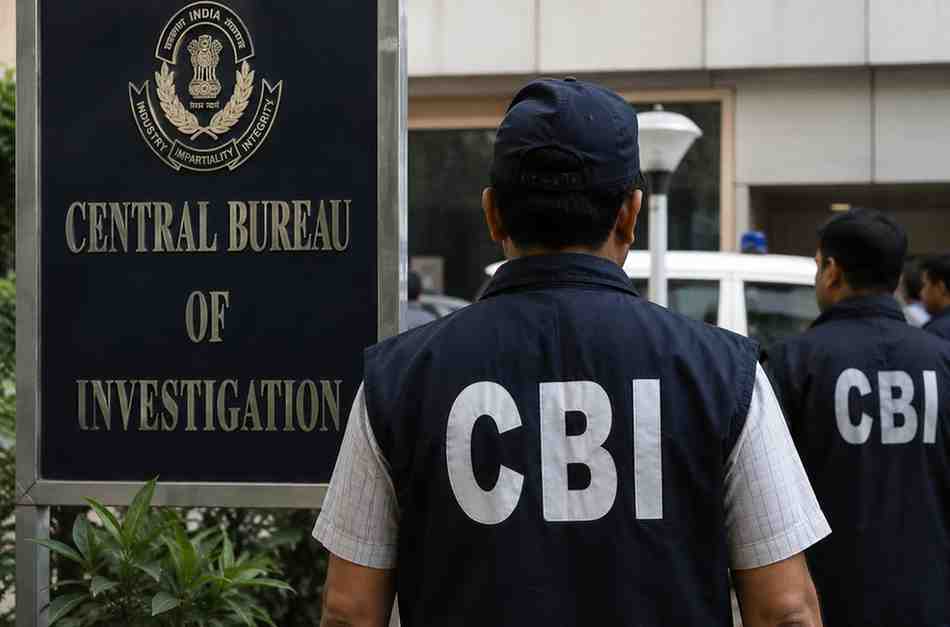
KOLKATA: The West Bengal government has reinstated the general consent required for the Central Bureau of Investigation (CBI) to investigate cases involving Central government employees and employees of Central Public Sector Undertakings (CPSUs) in the state. The decision marks a significant policy shift, nearly seven years after the state withdrew the consent in 2018.
According to a notification issued by the state’s Home and Hill Affairs Department, the consent has been granted under Section 6 of the Delhi Special Police Establishment (DSPE) Act, 1946. The move allows the CBI to exercise its jurisdiction in West Bengal for investigations involving Central government personnel, CPSU employees, and private individuals accused of acting either independently or in association with such officials.
The restoration effectively reverses the decision taken in November 2018, when the then state government withdrew the agency’s general consent. That withdrawal meant the CBI had to seek case-specific approval from the state government before initiating investigations within West Bengal, except in cases directed by constitutional courts.
Officials said the latest notification has come into effect immediately. However, the state has retained certain safeguards. Investigations involving public servants working under the control of the West Bengal government will still require prior written permission from the state administration before the CBI can proceed.
Under India’s federal framework, the CBI derives its investigative powers from the DSPE Act. Since “police” and “public order” fall within the jurisdiction of states, the agency generally requires either a general consent or a case-specific consent from state governments to operate within their territories. Several states have withdrawn such consent over the years, citing concerns over federal autonomy and the alleged misuse of central investigative agencies.
The issue has also been the subject of legal and constitutional debate. In recent years, disputes emerged over the extent of the CBI’s authority in states that had withdrawn general consent. West Bengal had approached the Supreme Court, arguing that the agency continued to undertake certain investigations despite the withdrawal of consent. The matter highlighted broader questions regarding Centre-state relations and the balance of investigative powers.
With the restoration of general consent, the CBI will no longer need separate state approval for investigations involving Central government employees and CPSU personnel in West Bengal. Legal experts believe the move could streamline anti-corruption and criminal investigations connected to central agencies operating in the state while reducing procedural hurdles.
The development is being viewed as an important administrative change that may improve coordination between state and central authorities in handling cases that fall under the CBI’s jurisdiction. At the same time, the requirement of prior permission for investigations involving state government officials ensures that the state retains oversight over matters concerning its own public servants.
The notification represents one of the most significant changes in West Bengal’s approach to the CBI since the withdrawal of general consent nearly seven years ago and is expected to have implications for future investigations involving central institutions and personnel in the state.