The All India Institute of Ayurveda (AIIA), New Delhi, has reported encouraging improvements in physical health, quality of life and cognitive assessments among elderly people participating in a community-based Ayurveda intervention in Faridabad district, Haryana. The findings highlight the potential of community-level healthcare initiatives to support healthy ageing, with improvements recorded in Ayurvedic digestive strength, bone mineral density and selected biomarkers associated with cognitive and overall health.
The project findings were presented during a workshop at AIIA on October 24, 2026, where the report was submitted to an expert committee for further consideration. While the results offer promising indications, the institute noted the need for further scientific evaluation to establish the effectiveness and safety of the interventions.
AIIA Screens More Than 5,500 Elderly People
The initiative was conducted under AIIA’s Public Health Initiative (PHI) to explore the role of Ayurveda in promoting the physical and mental well-being of older adults. Over three months, the programme screened 5,594 people aged between 60 and 80 years in Faridabad district and provided Ayurvedic medicines.
A separate component focused on dementia-related concerns, involving 200 patients who were screened and provided Ayurveda-based medicines over four months.
Titled Community-Based Ayurveda Intervention for Promotion of Physical and Mental Health in Elderly Population of Faridabad District, Haryana State, the project sought to examine the potential of community-based Ayurvedic healthcare approaches and identify opportunities to improve the health and well-being of the elderly.
Study Identifies Major Health Challenges Among Seniors
Initial assessments revealed several health concerns among participants, underlining the importance of accessible healthcare and preventive interventions for India’s ageing population.
Vision-related problems were reported in 67.73% of participants, while 43.05% experienced physical inactivity. Reduced cognitive function was identified in 6.85% of those assessed.
Other concerns included high blood pressure, elevated random blood glucose levels, reduced bone mineral density, constipation and sleep-related difficulties. These findings highlighted the range of physical and cognitive health challenges affecting older adults and the need for comprehensive approaches to healthy ageing.
Quality of Life and Agnibala Scores Show Improvement
The first component of the programme assessed changes following a 60-day intervention. According to the project report, the total score on the World Health Organization Quality of Life (WHOQOL) assessment increased from 292.0 before the intervention to 326.3 afterwards.
Improvements were also recorded across all six parameters used to assess Agnibala, an Ayurvedic concept associated with digestive and metabolic strength. The assessment further reported an improvement in bone mineral density.
These findings suggest that community-based interventions may warrant further investigation as part of broader efforts to support physical well-being among older adults. However, additional research is required to determine the clinical significance and long-term sustainability of the observed changes.
Cognitive Assessments Reveal Encouraging Changes
The second component focused on cognitive health, including concerns associated with dementia. Participants underwent assessments using the Mini-Mental State Examination (MMSE) and the Six-Item Cognitive Impairment Test (6-CIT).
According to AIIA’s findings, MMSE scores showed a shift towards normal levels, while the 6-CIT assessment indicated signs of improved cognitive performance. The quality-of-life score in this component increased from 277.4 to 364.2 following the intervention.
The project also recorded changes in selected biomarkers, including serotonin, acetylcholine (ACh), dehydroepiandrosterone (DHEA) and vitamin D. These substances and nutrients are associated with different aspects of neurological, hormonal and general health.
The findings are preliminary and do not, by themselves, establish that Ayurveda caused the improvements or that the intervention can prevent or treat dementia. Further controlled studies and systematic safety monitoring will be important to validate the results.
Ayush Adviser Highlights Social Engagement for Healthy Ageing
Dr. Koustubha Upadhyaya, Adviser to the Ministry of Ayush, attended the workshop as the chief guest, while Prof. (Vaidya) Pradeep Kumar Prajapati, Director of AIIA, presided over the programme.
Dr. Upadhyaya stressed the importance of meaningful social engagement with elderly people to understand their needs and encouraged their participation in physical and mental activities. He also called for greater investment in initiatives aimed at improving health outcomes among older adults.
Prof. Prajapati appreciated the Public Health Initiative team’s efforts and emphasised the importance of systematically documenting experiences from community-based Ayurveda healthcare services. He called for wider dissemination of the findings and expansion of such initiatives to reach more elderly people.
Also Read | Swami Chinmayananda AI Avatar’s Stunning Reply On PM Modi Goes Viral At ‘Awakening’ Launch
The AIIA director also highlighted the role of the joint family system in providing care, emotional support and well-being for older family members.
Experts Discuss Community Healthcare and Healthy Ageing
The workshop featured contributions from Dr. Suneela Garg, Director Professor and Head of Community Medicine at Maulana Azad Medical College, New Delhi; Dr. Suman Ray, Senior Principal Scientist at the CSIR–National Institute of Science Communication and Policy Research (NIScPR); and Dr. Lokesh Singh Shekhawat, Professor of Psychiatry at Dr. Ram Manohar Lohia Hospital.
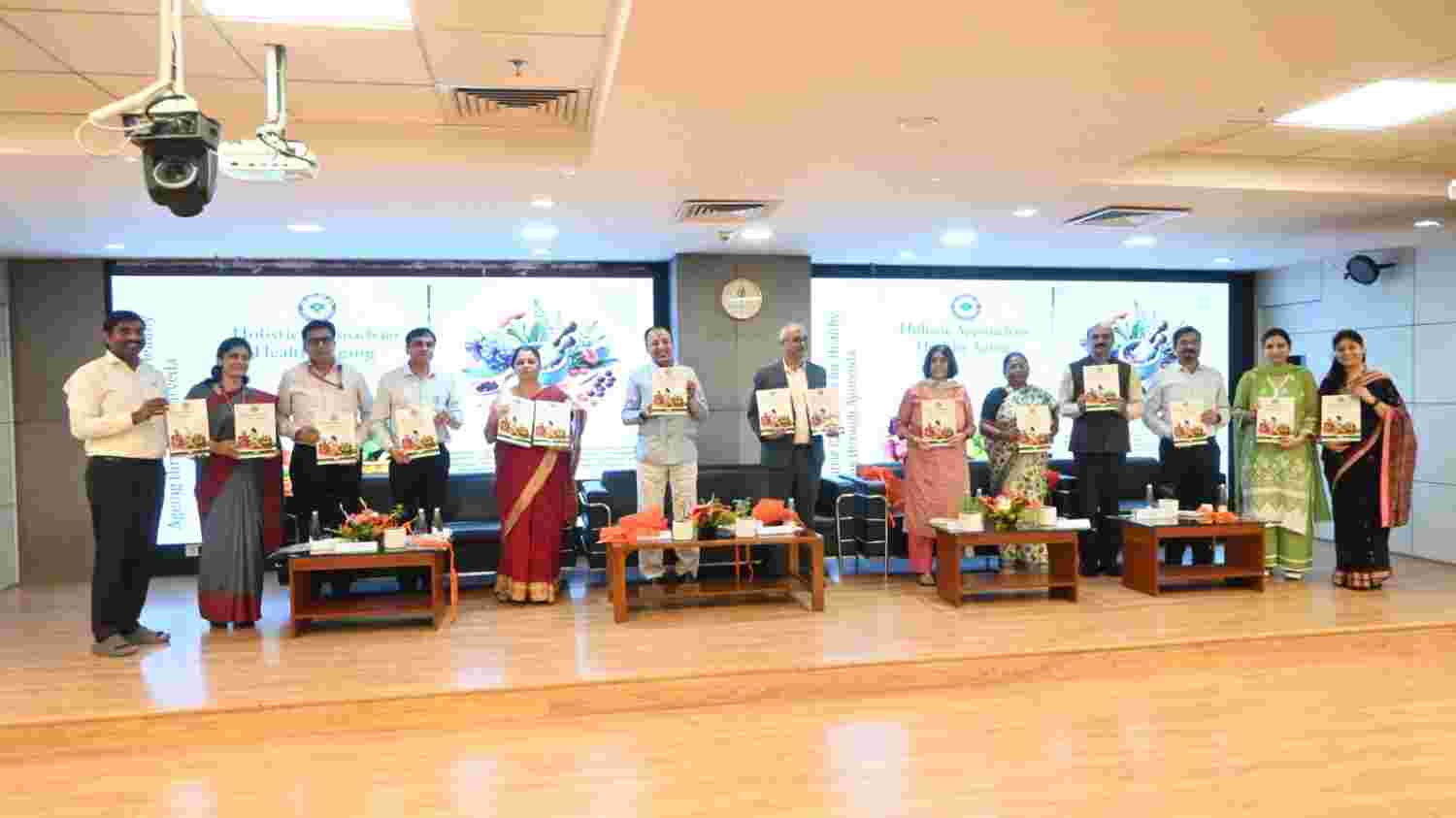
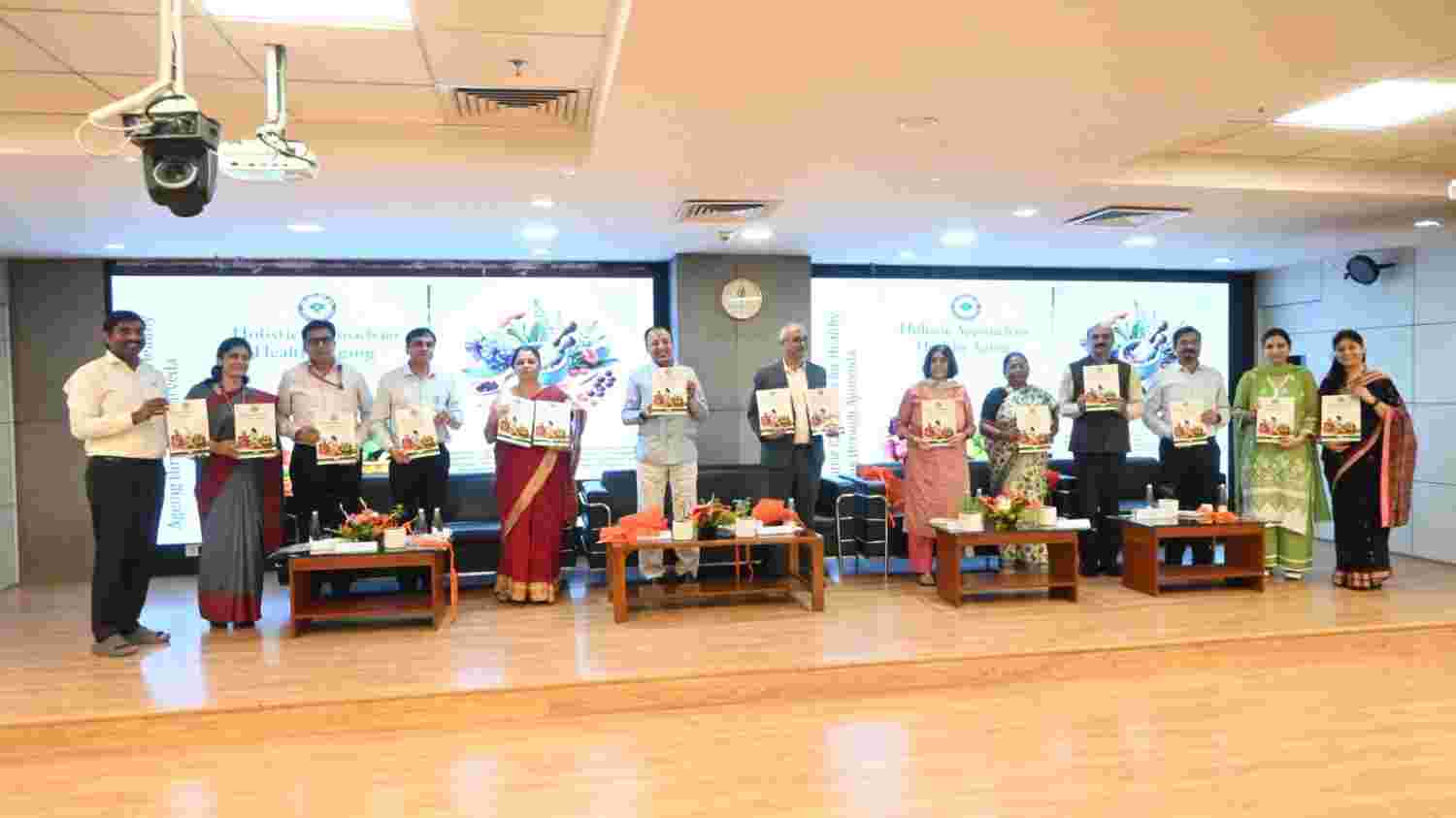
The event also saw the release of the book Holistic Approach for Healthy Aging. Other attendees included Prof. (Dr.) Manjusha Rajagopala, Dean (DU); Prof. (Dr.) Mahesh Vyas, Dean (Ph.D.); Prof. (Dr.) R. K. Yadav, Dean (PG); and Prof. (Dr.) Yogesh Badwe, Medical Superintendent, along with faculty members.
The findings provide a basis for further research into community-based Ayurveda and healthy ageing. Larger, well-designed studies will be essential to determine whether the reported improvements can be consistently reproduced and translated into lasting health benefits for elderly populations.
Click here to join our WhatsApp Channel for real-time news updates and exclusive coverage.