
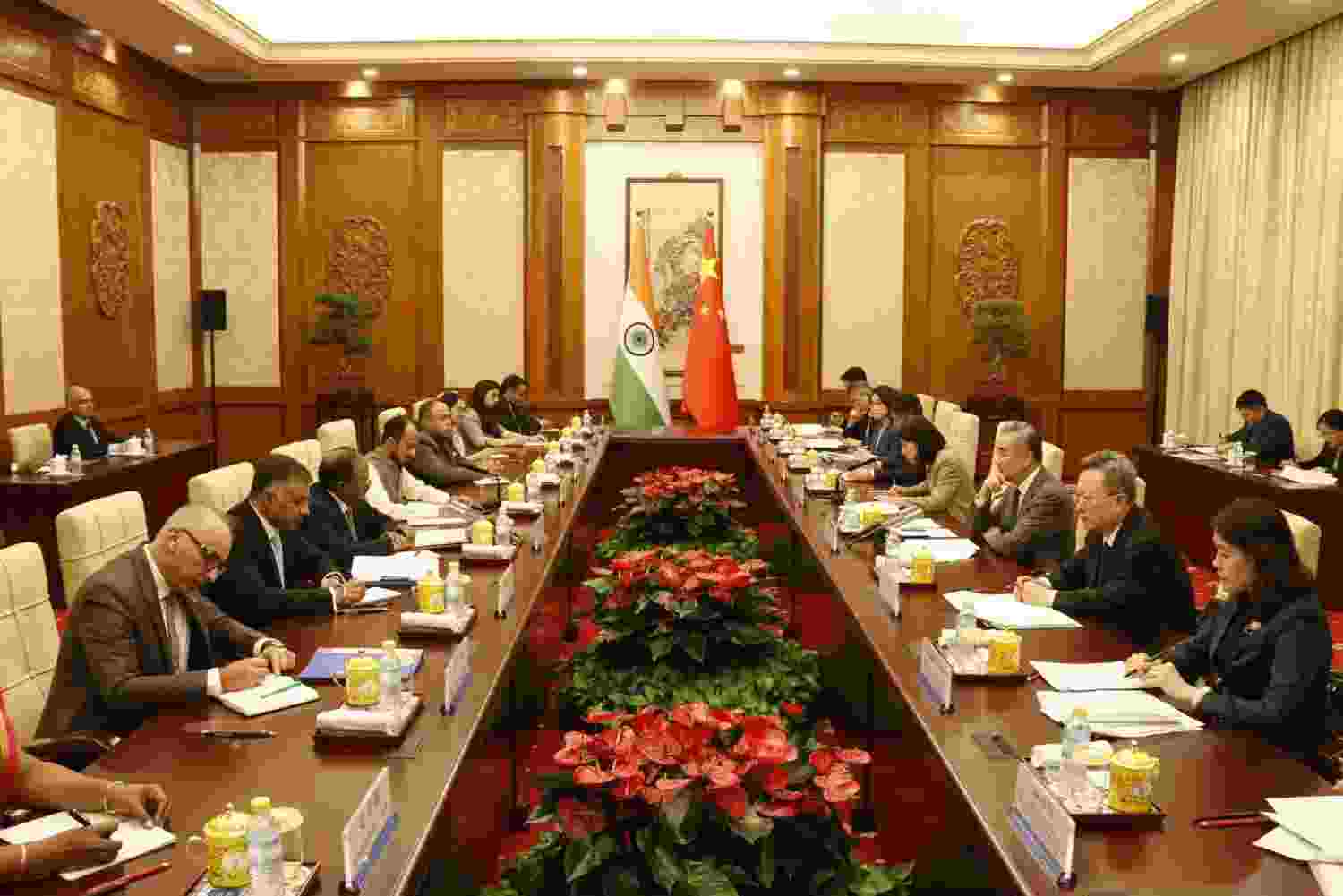
India and China have made a significant diplomatic effort to strengthen peace and stability along their disputed boundary, with the two sides reaching eight key points of consensus during the 25th round of talks between their Special Representatives in Beijing.
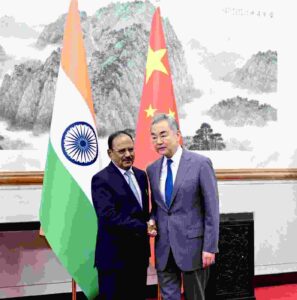
The meeting brought together India’s National Security Adviser and Special Representative Ajit Doval and China’s Special Representative Wang Yi, a member of the Political Bureau of the Communist Party of China Central Committee and Director of the Office of the Central Commission for Foreign Affairs.
The discussions focused on the long-running India-China boundary question, border management, military communication, trade, pilgrimage and trans-border cooperation. Both sides described their engagement as candid and in-depth while reaffirming the importance of maintaining peace and tranquillity along the border.
Commitment to Peace and Stable Bilateral Relations
During the talks, India and China reaffirmed their commitment to guidance provided by the leadership of both countries. They stressed the need to preserve peace and tranquillity in border areas and create conditions conducive to the healthy and steady development of bilateral relations.
The two sides also reiterated their commitment to advancing negotiations for a framework aimed at settling the boundary question. The process will continue in accordance with the 2005 Agreement on Political Parameters and Guiding Principles for Settlement of the India-China Boundary Question, along with understandings reached during subsequent Special Representatives’ meetings.
The objective remains to achieve a solution that is fair, reasonable and mutually acceptable to both countries.
New Push on Boundary Delimitation and Border Management
A major outcome of the meeting was the decision to advance discussions on what was described as an “Early and Substantial Harvest” in the areas of boundary delimitation and border management.
The Expert Group on Boundary Delimitation and the Working Group on Border Management under the Working Mechanism for Consultation and Coordination (WMCC) will take forward these discussions.
The first priority for both groups will be to finalise their respective Terms of Reference, establishing the framework within which future negotiations will take place.
Focus on Preventing Border Misunderstandings
India and China also agreed that situations arising on the ground should be addressed promptly through established diplomatic and military channels.
These mechanisms include the WMCC, local commander-level meetings and other mutually agreed arrangements. The purpose is to resolve outstanding issues quickly and reduce the risk of misunderstanding or miscalculation along the Line of Actual Control (LAC).
The two sides also discussed ways to improve their understanding of the LAC in appropriate areas to strengthen practical border management.
More Military Communication Channels Agreed
In another important step, India and China agreed to establish two additional meeting points for the General Level Mechanism/Senior Highest Military Commander meetings.
The countries also agreed on two additional channels for border military hotlines covering the Eastern and Middle Sectors.
The move is aimed at improving communication between the two militaries and ensuring that potential tensions along the frontier can be handled through direct contact and established mechanisms.
Kailash Mansarovar Yatra and Border Trade
The talks also covered trans-border cooperation, with both sides noting progress in several areas.
India appreciated China’s efforts to increase the number of batches for the Indian official Kailash-Manasarovar Yatra in China’s Tibet Autonomous Region.
Also Read: Nepal Flash Floods Kill 22, 133 Indians Among Nearly 400 Missing Near Tibet Border
Both countries also welcomed the reopening of three designated border trading points. They agreed to strengthen cooperation in border trade, pilgrimage and other areas.
The broader objective is to develop an environment in border regions centred on dialogue, peace, consultation and cooperation.
Talks on Trans-Border Rivers in September
Water cooperation was another important issue discussed during the meeting.
India and China agreed to convene the next meeting of their Expert-Level Mechanism on Trans-border Rivers in September. The two countries will continue communication on matters including hydrological data sharing and the renewal of relevant memoranda of understanding.
The mechanism is significant because several major rivers originating in or flowing through the Himalayan region have implications for both countries and their populations.
26th Special Representatives’ Talks to Be Held in India
The two sides also agreed on the venue and timeline for their next high-level boundary dialogue.
The 26th round of Special Representatives’ Talks will be held in India in 2027.
The latest meeting marks an effort by New Delhi and Beijing to maintain structured engagement on the boundary issue while expanding communication and cooperation in other areas.
The eight-point consensus does not resolve the long-standing boundary dispute, but it establishes several practical steps aimed at improving border management, strengthening military communication and keeping diplomatic channels active.
With the next round scheduled to take place in India in 2027, both sides are expected to continue working through existing mechanisms while seeking progress toward a long-term, peaceful and mutually acceptable settlement of the boundary question.
Click here to join our WhatsApp Channel for real-time news updates and exclusive coverage.